|
Getting your Trinity Audio player ready...
|
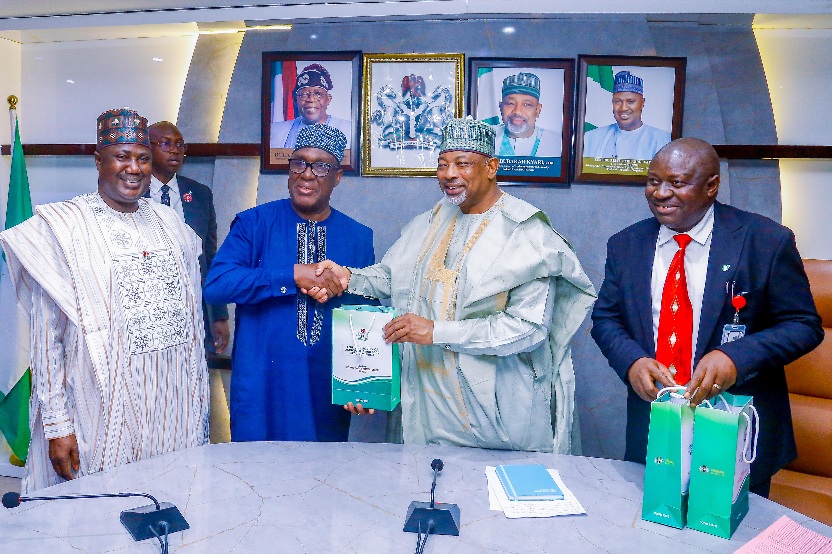
The National Cashew Association of Nigeria (NCAN) is collaborating with the Nigeria Security and Civil Defense Corps (NSCDC) to stop foreign traders in Nigeria’s agric sector from encroaching into farms to purchase produce directly from farmers.
Tola Faseru, national president, NCAN made this know during the association 2018 trade meeting held in Ilorin, Kwara state, while re-emphasing the urgent need for Nigeria to checkmate the excessed of foreigners at the country’s farm-gates.
“The encroachment into the farm gate by foreigners is inimical to the value chain system and cuts off our locals from participating in the trade. Expatriates position themselves in the bushes to buy directly from the farmers thereby taking away the much-needed jobs from our people,” Faseru said.
“To this end, we are collaborating with the Nigeria Security and Civil Defence Corps (NSCDC), in order to maintain effective surveillance, check the influx of foreign nationals, control and put a stop to their activities at the farm gate across the country, especially for cashew,” he said.

In his remarks, Adeyinka Fasiu, Kwara State commandant, NSDC, representing the Abdullahi Gana Muhammed, commandant general, NSCDC disapproves of the practice and said it had to be stopped.
He noted that NSCDC is glad with the partnership and that it has been approved by the commandant-general, adding that the association’s task forces is ready to work with various agric association across the country.
Fasiu called on all foreign nationals interested in doing the business of cashew and any agro produce to stay at the port city to receive their cargoes.
He then called the attention of traditional rulers, community leaders and as well as relevant cashew stakeholders to check the excesses of foreign nationals who encroach on the farm gate by ensuring proper documentation and registration of farms with the security agency, stating that this action will contribute immensely towards the prevention of foreigners’ encroachment.
Most of the foreigners that are involved in this practice do not bring back foreign exchange into the country as their transactions do not take place through the banks.

Key players say this is bad for Nigeria’s economy which is badly in need of foreign exchange, after being hit by recession arising from low oil prices, which has slashed government revenue by over 50 percent, creating market distortions and job losses.
According to industry players, the international practice ofn purchase of agro produce is through the commodity chain or licensed warehouses. A commodity chain is a process used by firms to gather resources, transform them into goods or commodities, and finally, distribute them to consumers.
Josephine Okojie