|
Getting your Trinity Audio player ready...
|
Shares of GlaxoSmithKline Nigeria (GSK) Plc have been on an upward trajectory since it announced a special dividend as the consumer firm led the hottest stocks last week.
The consumer goods and healthcare firm’s share price closed at N25.50 on the 20th of March when it made the announcement as stocks started rallying to touch down at N34 by close of trading on Friday March 30.
This means the market cap has added some N10.50 billion as investors continue to swoop on stocks with the expectation of getting higher returns.
Market cap was N40.67 billion as of close of trading on Friday.

GSK’s dividend yield of 25.50 percent is the highest among the NSE 30 firms. In other words, investors are getting cash flow for each Naira invested in an equity position.
The company will distribute a N8.52 billion special dividend in 2017, according to information it posted on the website of the Nigerian Stock Exchange (NSE). It will pay N7.10 in special dividend in addition to a N0.40 final dividend.
The payout came on top of N480 million in regular dividends for 2017, equal to all of the company’s profit.

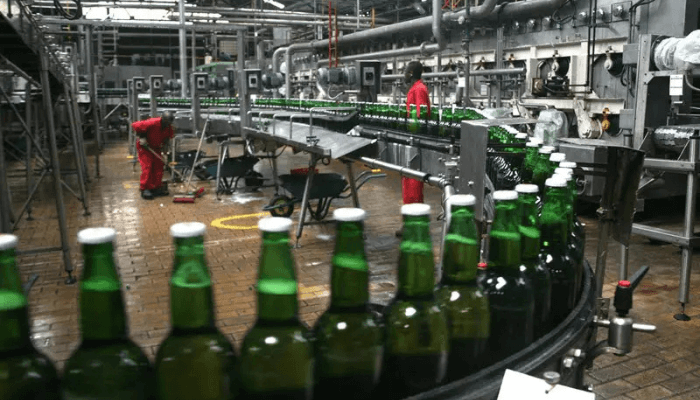
The company said the windfall will be paid from retained earnings brought forward and profits of the sale of drinks segment as at December 2016.
A breakdown of GSK’s financial statement showed the company realised N21 billion from the sale of the drink business, which translated into a profit after tax and special dividend of N3.23 billion after deducting expenses relating to the deal.
Analysts say investors have been scrambling to buy the firm’s stock on the expectation in share price appreciation.
While the Nigerian consumer goods and healthcare firm is rewarding shareholders with a bumper dividend, its earnings have missed analysts’ expectations as rising cost of production suppressed margins.
Net income dipped by 45.02 percent to N486.43 million in December 2017 from N4.20 billion the previous year.
A 156.81 percent surge in cost of raw material consumed dealt a great blow on margins as gross margins dipped to 27.79 percent in December 2017 from 62.30 percent as at December 2016.
Net margin, a measure of efficiency, fell to 3.02 percent in December from 29.20 percent the previous year. This means the company has not been able to translate each Naira of sales into profit for shareholders.
BALA AUGIE