As part of its effort to drive solar projects penetration across Nigeria, Soventix, a leading global solar developer based in Germany has partnered Gentec EPC, a pioneer in the Nigerian energy industry to form a joint venture called Soventix Hybrid Limited.
With just approximately 4000 MW of grid power availability and a growing population with over 180 million people in Nigeria, the country faces great demand for cost effective and reliable energy supply solutions. With the increasing competitiveness of solar energy over fossil fuels, analysts view Nigeria as one of the key solar growth markets across Africa.
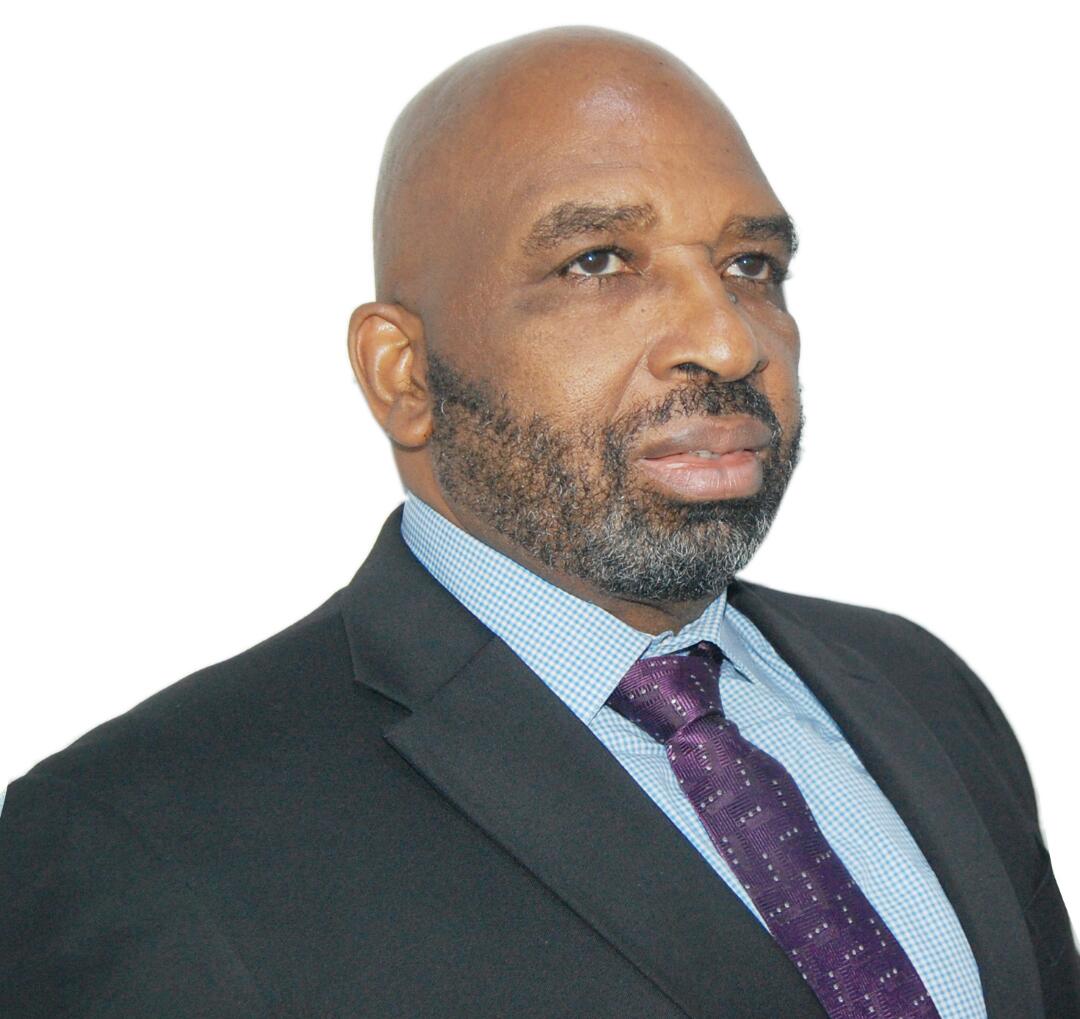
Deepak Khilnani, founder of Gentec EPC, said with this agreement and respective capabilities, both companies secure a strong market position in the Nigerian solar market.
According to him, “We are very excited about this partnership with Soventix. Gentec is continually seeking to bring innovative and diversified energy offerings to the Nigerian market and we believe solar energy meets the customer requirements: Reliable, affordable and emission free power,”

Khilnani observed that the credibility, expertise and proven track record of the Soventix management team gave us a lot of confidence that Soventix is the correct solar partner.
Soventix Hybrid will initially focus on industrial rooftop solar applications that synchronise with the existing generators or grid power systems. This model will enable industries to have an additional source of power generation at a lower price than diesel power, whilst also significantly reducing emissions. Phase II of the joint venture will also aim to develop national solar parks that feed clean energy into the Nigerian grid.
Thorsten Preugschas, CEO, Soventix on his part observed that a reliable energy supply from renewable energy sources is becoming more and more important for African countries, particularly Nigeria.
He disclosed that since Africa in particular suffers deeply from the effects of climate change, ecological energy solutions gain importance. Combining cost savings with the ecological advantage, we see great potential for solar energy in Nigeria.
“We believe this will be a successful partnership combining Gentec’s established market presence and strong local service team in Nigeria with Soventix’s comprehensive solar capabilities,” he said.

The beauty of solar energy is that the tariffs are fixed over a 20 year period given that there is no fuel input and very low maintenance costs, enabling industries to effectively plan their long term energy costs. Moreover, solar energy is already more competitive against fossil fuels with regard to pricing per kWh.
Soventix is a leading German solar company that builds and operates PV solar systems around the globe – with operational solar plants and branches in twelve countries and four continents. One of the biggest branches is located in South Africa where Soventix develops large-scale greenfield solar projects. Soventix has developed a wide spectrum of solar projects ranging from a 33 MW grid connected solar park in the Dominican Republic (Phase I), the largest solar project in the Caribbean, to rooftop installations catering to industrial sites.
Given the significant shortfall of reliable power across Nigeria, at a residential, industrial and national grid level, solar energy is well positioned to play a major role in Nigeria’s energy mix. The minister of power, works and housing, Babatunde Fashola, has actively encouraged solar investments into Nigeria to meet the nation’s plans of increased renewable power generation.
USAID estimated that 95 million Nigerians, approximately 55 of the population, do not have access to electricity and those that are connected to the grid suffer from extensive power outages.
Although Nigeria has 12.5 GW of installed generation capacity, only 3500-5000 MW is typically available. Despite being the wealthiest African economy (measured by GDP), Nigeria has one of the lowest electricity per capita consumption levels globally, estimated at less than 150 kWh.
“The lack of a reliable and affordable supply of electricity impacts every facet of life in Nigeria. Businesses routinely cite the cost of electricity as the principal drain on profitability and competitiveness. Schools and clinics often go without electricity or rely on costly diesel generators,” stated USAID.