|
Getting your Trinity Audio player ready...
|
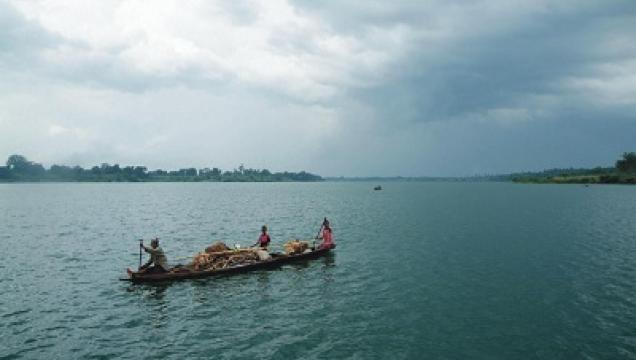
European Commission at the weekend announced additional assistance for the Lake Chad region in 2017, as humanitarian needs grow.
Through the European Commission, the EU plans to mobilise a total of €105 million in humanitarian support to populations in the region, which has been plagued by armed conflicts stemming from the activities of Boko Haram, an Islamist fundamentalist group.
Christos Stylianides, who is the EU commissioner for humanitarian aid and crisis management, made the announcement during an international conference in Oslo, Norway, aimed at addressing the 10-year-old humanitarian crisis.
“With the crisis in the Lake Chad region growing at an extremely alarming rate, the EU is stepping up its response. Today, I announced the EU’s allocation of €105 million in humanitarian aid for the crisis,” he said.
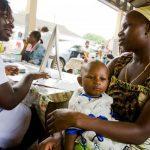
These funds, the EU said, are expected to help meet the life-saving needs of the affected populations, notably in the areas of food, nutrition, water and sanitation, as well as health and protection in order to scale up its response.
However, Stylianides lamented that the conditions for delivering assistance remain particularly difficult, while stressing also that it is essential to ensure quick and safe access to people who need lifesaving assistance.
The European Union has been one of the largest aid donors to the crisis ravaged Lake Chad Basin region.
Since January 2016 €177 million has now been provided in humanitarian aid, and a further €159 million in development assistance from the EU Emergency Trust Fund for Africa has recently been allocated to support 15 projects.
The €105 million announced today consists of an initial allocation of €55 million for 2017, and a further amount of €50 million now proposed of humanitarian support to populations in the Lake Chad region, where over 2.3 million people have been displaced within or out of their country.
Food insecurity has reached crisis levels in some parts of the region, and malnutrition rates are well beyond emergency levels.
Only in Nigeria’s northeast, some 4.6 million people are in need of emergency food assistance.
Access to basic services is severely limited and the risk of epidemics due to the lack of water, sanitation, and shelter and health services also remains extremely high.
Also, the high level of insecurity across the area continues to seriously hamper humanitarian access to the affected populations and is making the delivery of aid extremely difficult, particularly in Nigeria’s northeast, the extreme north of Cameroon and around the Diffa region in Niger.