Nigerian telecommunications operators who have incessantly complained about the poor security of infrastructure which causes loss of revenue and serious damaging effect to network quality, have been given hope for uninterrupted operation as the Nigerian Communication Commission (NCC) are currently having talk with the Nigerian Security and Civil Defence Corps (NSCDC) to protect telecommunications infrastructure in the country.
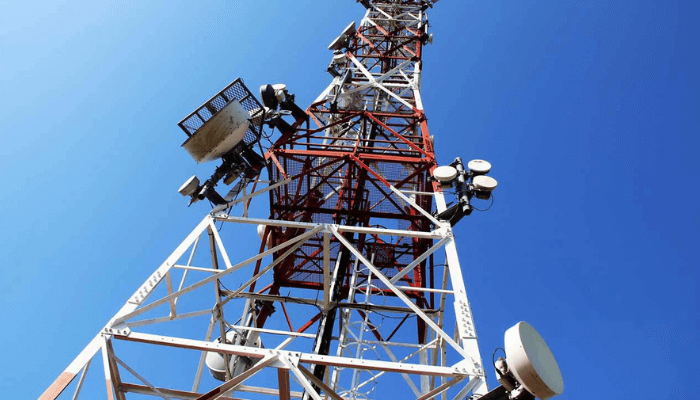
Sunday Dare, Executive Commissioner, (stakeholders management) NCC, said the commission wants to work with the NSCDC on ways to protect these critical national infrastructure, like Base Stations, Optic Fibre, Masts and nip in the bud activities of those trading on pre-registered Subscribers Identification Module (SIM) cards security implications,vandalisation of telecom equipments among others.
Dare said although the NSCDC have been manning NCC Emergency Communications Centres (ECC), before now, the meeting held in Abuja at the weekend was a follow up to the commission’s earlier engagement with the National Security Agency (NSA) were it was specifically stated that both NCC and NSCDC should deliberate on workable ways to protect critical national infrastructure.
“We are sure that they will support in the protection of the critical infrastructure on the directive of the NSA,” Dare said.

Amos Andekein, Acting Deputy Commandant General (Protection of Critical Infrastructure), NSCDC, explained that protection of critical national infrastructure was part of the NSCDC core mandate as enshrined in its Act and “we are willing to do just that for the telecommunications sector like we have been doing for the Oil and Gas Sector; Oil Pipelines and Maritime Operations”.
He explained however that it will require a lot of enlightenment for people to know the dangers of vandalisation of telecom equipment and the laws against it.
In his contribution, Efosa Idehen, Head, Compliance Monitoring and Enforcement said; “for us at NCC, our job is done when criminal activities cease to exist. However, operators have not followed the guidelines as they should hence the enforcement for compliance.”
Idehen said NCC has embarked on the sensitisation of the Police and other security agencies on the workings of the guidelines and regulations and the implication of non-compliance by operators.
“Sadly, arrests have been made in the past but prosecution has not been pursued.”

He Pleaded with NSCDC to enforce the law, arrest offenders and prosecute them.
Also speaking, Yetunde Akinloye, Head, Legal and Regulatory Services (NCC), Yetunde said the laws were being fine-tuned with a view to having successful prosecution of defaulters.
The mobile telephony companies have suffered continuous attacks from vandals on their infrastructure and were among the worst affected by the Boko Haram insurgency, suffering billions of Naira in damages to their facilities and some of their operations were stalled as shops in affected areas were closed down and subscribers experienced higher frequency of dropped calls, incoherent transmission, and undelivered text messages, as a result of blown up masts.
Olusola Teniola, President, Association of Telecommunication Companies of Nigeria (ATCON) told BusinessDay, that “we need the infrastructure to be protected from closures, destructions and sabotage in order to be able to benefit from telecoms in Nigeria.”
Assuring all stakeholders in the industry of infrastructure security, Jonathan Iyogho, Assistant Commandant General, NSCDC, said his office is willing to cooperate with the NCC in the area of protection of critical national infrastructure, and collaboration is a key element in achieving a success story.
In a statement signed by Tony Ojobo, Director, Public Affairs NCC, the regulator said a six-man committee to work out areas of cooperation was proposed.
Jumoke Akiyode