|
Getting your Trinity Audio player ready...
|
The increasing demand by manufacturing companies on local agro production, described as a threat to food availability is now being considered a blessing in disguise as port-harvest loss which was the erstwhile hallmark of food production in Nigeria is now poised to reduce drastically.
According to the Manufacturers Association of Nigeria (MAN), local input in the food and beverage sector has edged up to 73.36 percent since December 2015 as against 69.75 percent in December 2014.
Present trends in 2016 have also suggested this volume will further increase, thereby contributing to address astronomic post-harvest losses recorded in the country.
Sonny Echono, a Permanent Secretary, Federal Ministry of Agriculture and Rural Development, last year said that “Post-harvest losses (in Nigeria) have been estimated to range between five and 20 per cent for grains; 20 per cent for fish and as high as between 50 and 60 per cent for tubers, fruits and vegetables.”

The Agriculture Promotion Policy of the federal ministry of Agriculture also highlighted that current post-harvest loss rates are as high as 60% for perishable crops. In Tomato for instance, out of an annual demand of 2.2 million metric tonnes, the country’s actual production is 1.5 million tons but 0.7M ton (almost half) is lost post-harvest.
“With the new position of government on agriculture, there may not be much of post harvest losses because what farmers produce are being taken either by off takers or ready market for their products. So in terms on marketing and distribution of products they may not suffer much loss now,” Godwin Umeaka, managing director, Coscharis Farms, told BusinessDay.
Umeaka also explains that; exchange rate may not enable (some companies and manufacturers from) bringing in imported components of needed inputs except they go through the borders, which government is also controlling. With all these factors it is possible for farmers to now get better revenue for their products because they can quickly sell off at reasonable prices.
These sentiments are echoed by Olatunji Adenola, President, Maize Association of Nigeria, who says “Those who need agro-produce, it if they can buy and store, they will take care of it, through this, the losses that would have been experienced (by farmers on account of) poor storage would not come up. And, the fact that people are coming to buy is also good for the farming community and Nigeria as whole.”
“It just opened up the horizon for us to produce more,” says Adenola.

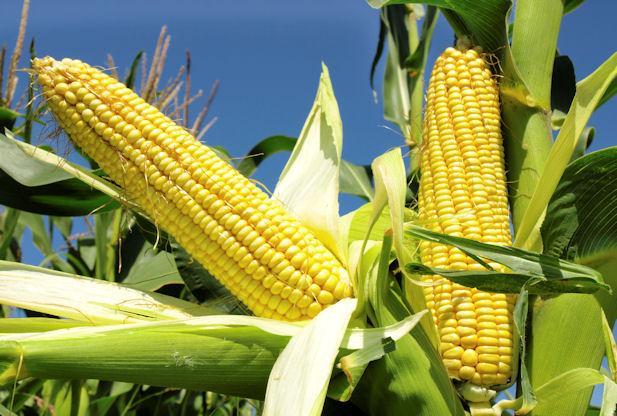
Abiodun Olorundenro, chief executive officer, Green Vine Farms also said “Our patronage has increased tremendously from manufacturing companies. Some of the crops we farm like dry maize were being imported into the country before the foreign exchange crisis. But with the shortage of forex, importers and manufacturers cannot bring in dry maize to sell and make profit, so they are now buying from us at large quantity.”
Post-harvest losses in Nigeria have led to unimaginable food loss, threatening food security, precipitating massive importation; many of it illegal, and reducing the potentials for foreign and retained earnings by the country. This has led to Nigeria’s food import bill of over N1.5 trillion (possibly higher depending on which exchange rate is used), showing the country largely dependent on external sources to augment local production.
Nigeria’s widening food deficit was highlighted in the Agriculture Promotion Policy (2016 – 2020) which shows there is 20.14 million tonnes in food crop deficit and 60 million poultry birds’ deficit.
“We should be talking about doing all-year-round farming and not depending on rain-fed farming. We have the arable land and population to make this happen. It takes three months to grow and harvest grains, so all-year-round farming is possible,” Muda Yusuf, director general, Lagos Chamber of Commerce and Industry (LCCI), said.
“The more opportunities we have for export the better for us as a country because of the dollar proceeds,” Yusuf said, adding that output can only increase when farmers have incentives and use mechanisation and modern farming techniques.
CALEB OJEWALE