|
Getting your Trinity Audio player ready...
|
Daniel Burrus, a world-renowned technology forecaster, once wrote “I’ve maintained that the future is always within sight, and you do not need to imagine what is already there.” For him, the world of imagination was being replaced by the world of observation.
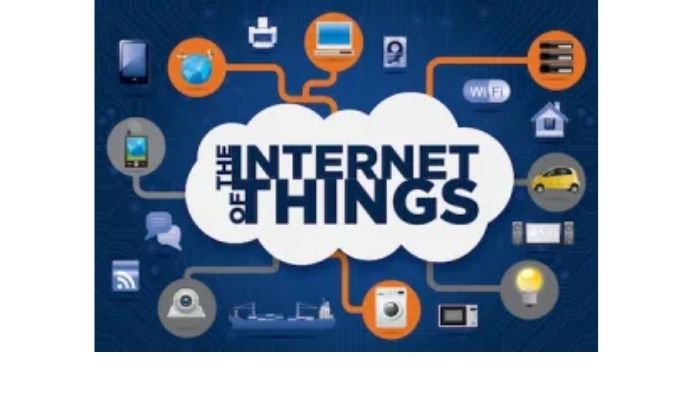
He believes that the future of technology is beyond machine-to-machine communication (M2M) or devices talking to devices. For him it is about sensors, which measures, evaluates and gathers data. It is this “smart” future in which sensors and machines are connected that he refers to as the Internet of things (IoT).
To begin to understand IoT, think about a refrigerator you just bought newly that has capabilities to alert you wherever you are that your drink stock or milk is out and it’s time to restock, or you got a car that has in-built sensors that notify you when tire pressure is low. It could mean any one of a million possibilities.
According to the Guardian UK, it is about connecting devices over the Internet, letting them talk to each other, applications and us. Like Burrus said, it is the next big thing.

In case you are not aware, some companies in Nigeria are already discussing the potential uses they could put IoT to. Recently, Tony Smallwood Vodacom Business Nigeria’s executive head of IoT stressed that companies should be looking towards integrating IoT into their operations.
Speaking on the benefits of IoT, Tony Smallwood said, “IoT drives digital transformation, helps businesses remain relevant in today’s digital world. Overall, 63 percent of adopters say they have seen significant Return on Investment (RoI) from adopting IoT.”
The prospects of rising broadband Internet in Nigeria which has impacted digital connectivity; ensured more devices are being created with Wi-Fi capabilities and sensors built into them and increased smartphone penetration, is responsible for the buzz around IoT.
Experts however have said that for Nigeria to take advantage of the begging potential in IoT, the 2018 broadband target of 30 percent penetration should be fully realised and surpassed. Otherwise, the country risks being left behind in the global IoT revolution.

The potential of IoT goes beyond smart homes, smart refrigerators or other connected appliances. The Lagos State government is already looking at a Smart City project and the Nigerian government is talking e-governance or e-Nigeria. That is how big IoT could get.
If successfully adapted, experts are saying that IoT can help reduce or remove entirely the nerve-racking traffic situations Nigerian experience in cities like Lagos and Port Harcourt. In essence, it can apply to transportation networks. Forbes describes this as “smart cities which can help us reduce waste and improve efficiency for things such as energy use; this helping us understand and improve how we work and live.”
Burrus notes that IoT is not just about money savings, “It is not about bridges, and it is not about cities. This is a huge and fundamental shift. When we start making things intelligent, it is going to be a major engine for creating new products and new services.”
Are there dangers that come with IoT? One of them is security. To paraphrase the definition of IoT, it is a giant connection of machines. How then can we be assured that our data are not going to people who should not have access to them? The fact remains IoT opens up people and companies all over the world to more security threats. Think about the thousands of mails that were recently stolen from Yahoo. In that regard, many security experts are concerned that enough is not being done to build security and privacy into IoT.
IoT therefore scores low on privacy and data sharing. Already most things about your life are open on social media platforms as a result of your membership, now imagine what is like when billions of devices and sensors can reach in and collect those files and someone smart enough to hack one of those devices succeeds.
At the moment though, hackers’ attention have not been on IoT, which means that it is relatively save for now.
FRANK ELEANYA