Total Exploration and Production Nigeria Limited has invested an approximately $10 billion in the country in the last years just as it has added about 2.3 billion barrels to the country’s oil production between 1966 and 2015.
Company also said that through decades of executive development projects, it activities have contributed to creating jobs and human capacity development in the country.
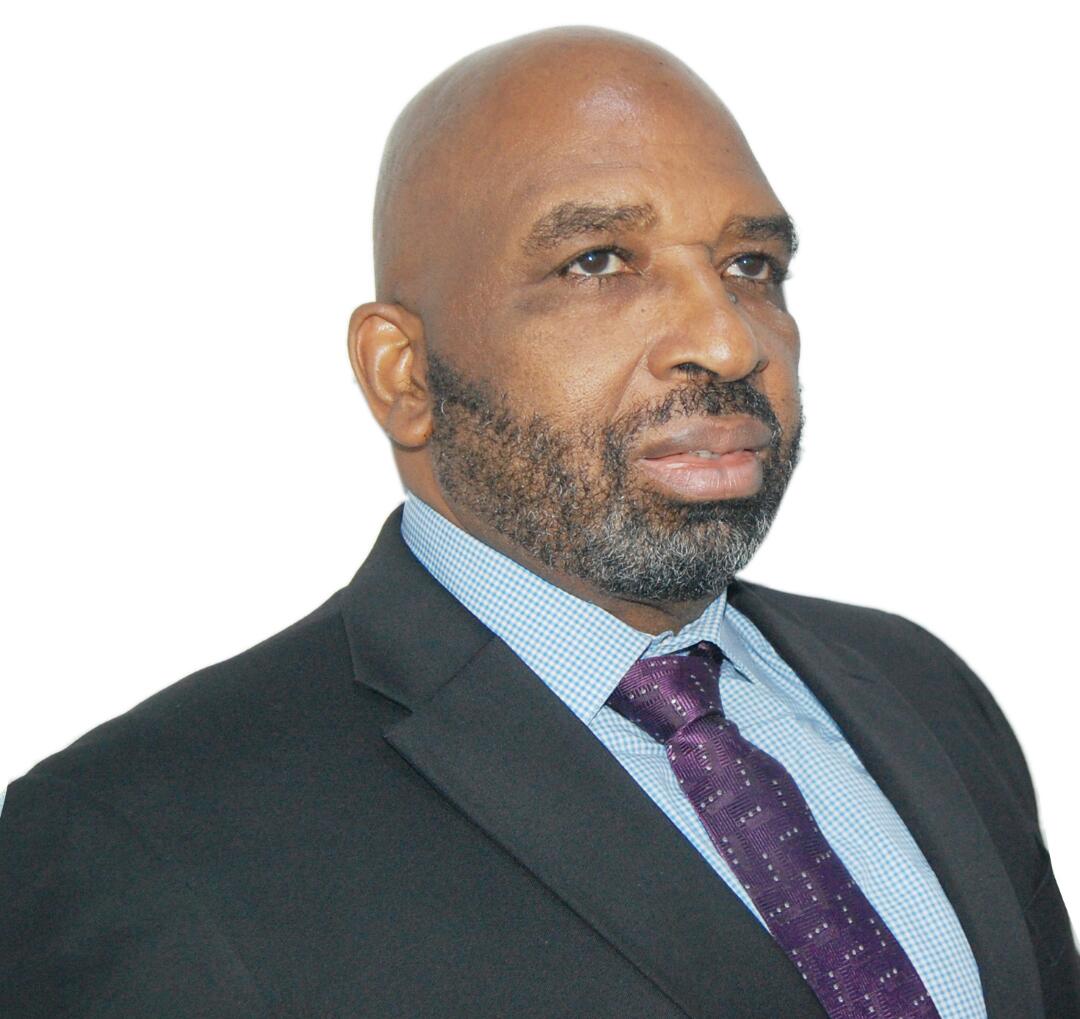
Nicolas Teraz, the company’s managing director and chief executive- officer disclosed this at the Society of Petroleum Engineer (SPE) Nigeria Annual International Conference held in Lagos said, despite the challenging operating environment, the company committed to her various developments.
He said: “In June 2016, we completed the onshore construction phase and commenced offshore works for the remaining part of the Ofon Phase 2 project which achieved gas flare out in December, 2014. This was recognised by the World Bank- sponsored Global Gas Flaring Reduction Partnership (GGFR), which gave an Excellence Award to our Ofon-2 Project on 9th September 2015, for the achievement.”

He said similarly, Total has completed pre-commissioning and the process for commencement of delivery of domestic gas to the Eastern sector via our Northern Option Pipeline (NOPL) project has started as planned but will take some days/weeks for debottlenecking. One of the off-takers of that gas is the Alaoji Power Plant.
According to the Total boss, Egina deepwater development project which started three years ago, will add 200,000 barrels of oil equivalent per day to Nigeria’s production by 2018.
Egina has the highest deepwater local content ever in a project. Amongst others, the development of LADOL yard and significant work on seven Nigerian fabrication yards o various project objects generate direct employment and indirect businesses for Nigerians during five years of the project.
He said the theme of this conference, “Transparency in the oil and gas business: An imperative for energy security and stability”, is relevant for understanding and overcoming the current challenges facing operator of the industry.
He said throughout 2015 to now, the oil companies face a challenging economic environment, due to the sharp fall in the price of oil, saying that the environment requires them to adapt and quickly take actions that will sustain n the companies while they prepare for the future when the market situation improves.

He said the current context is challenging for both the industry and host countries saying that Oil and Gas companies must generate sufficient cash flow for capital investments as governments are facing gross revenue shortages resulting sometimes in the inability to meet their joint venture funding obligations.
“At Total, we will remain in business by continuing to adapt to the dynamic economic environment through cost optimisation but without any compromise of our safety standards”, he said.
Olusola Bello