Rivers State is preparing all necessary documents to obtain a Federal Government guarantee to secure a European Bank loan to complete its N69.8 billion Integrated Medical Factory in Port Harcourt, the state capital.
The medical factory, a wholly Rivers government owned facility, which produces medical equipments including syringes, would upon completion produce 1 billion syringes.
It was also gathered that the factory would create 3,000 direct and indirect jobs in the state.
Facilitator of the IMI, Ikedife Uba, said the project was 70 percent completed, with all the relevant machines already fabricated by manufacturers in Europe.

Uba said the new phase of the company would be the biggest in the country, and would produce 1 billion syringes and other critical consumables that would stem the tide of medical imports, and give Nigerians access to high standard medical products.
He said the total project cost was N69.8 billion, with Rivers State already expended N35.7 billion, and N34.1 billion left to be expended on the project to be completed and put to use.
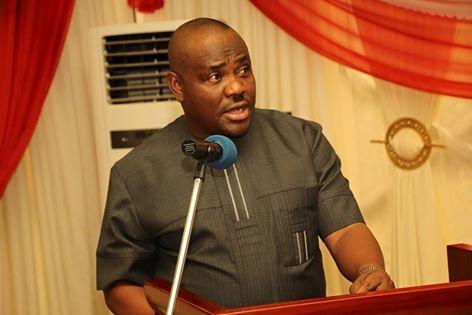
Governor Nyesom Wike, after inspecting facilities at the Integrated Medical Industries (IMI), said the state government would apply to the Federal Government for the required sovereign guarantee for the European Bank loan to complete the project.
Wike directed the state attorney-general, commissioners for finance and health to liaise with the managers of the IMI, to conclude work on the application to the Federal Government for the required sovereign guarantee.
The governor said the state government would take appropriate measures to complete the company, which would be the biggest in the country.

He expressed satisfaction with the steps taken by the managers to sustain it for the production of relevant medical consumables.
“My motivation to further invest in this project is the fact that it will conserve foreign exchange and stop the import of some key medical consumables,” the governor said.
Meanwhile, the commissioner for health, Theophilus Odagme, said the project was quite strategic to the Nigeria’s health sector.
BEN EGUZOZIE