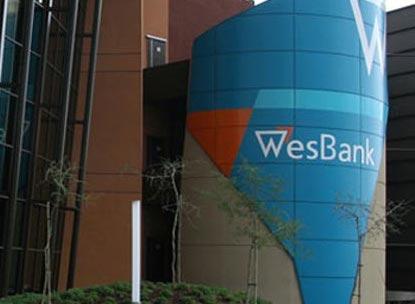
A delegation from WesBank of South Africa will be arriving Nigeria today to hold talks with local automobile assemblers who have already started operations in the country.
The talks have to do with efforts between WesBank and the National Automotive Design, Development Council (NADDC) to strike a vehicle credit financing deal for prospective Nigerian car buyers, BusinessDay learnt.
The meeting is coming as this year is predicted to offer few opportunities for a local automotive industry that is confronted with a faltering naira, fluctuating oil prices and uncertainties in jittery global and domestic economies.
BusinessDay findings reveal that WesBank of South Africa have applied to the Central Bank of Nigeria for license and regulatory approval since 2014 to enable it set up operations in the country to provide vehicle consumer credit finance at competitive rates, following months of protracted negotiations.

Local automobile assemblers and dealerships in Nigeria are currently facing difficulties assessing foreign exchange due to the sharp drop in tha value of the naira agaist the US dollar.
This has seen the number of vehicles imported into the country drop drastically.
The National Automotive Design and Development Council (NADDC) said it is making representation to the Federal Government to give preference to local assemblers in the allocation of scarce foreign exchange.
Luqman Mammudu, director of policy and planning, National Automotive Design and Development Council, told our correspondent on the sidelines of the commissioning of FAW Trucks assembly plant in Lagos recently, that the “consideration will enable the various assembly plants to gain sufficient volume to attract components and parts manufacturers. This is where real jobs start to happen. Luckily investment at this level is at SME level, for which government already has elaborate promotion programmes.”
Mammudu stated that the auto policy was designed to encourage convenient entry into operation in Nigeria to attract such partners. “Once implementation of the policy is honest and hitch free, they will grow investment commitments through backward integration and generate employment.” He noted.

Nigeria, Africa’s largest economy and by far the most populated, presents huge opportunities for investors in the automotive space, but such potentials are stifled by the glut in global oil production forcing down prices and weaker exchange rate of the naira.
Under Nigeria’s Automotive Industrial Development Plan (NAIDP) in which a tax regime of 70 percent was slammed on every imported new vehicle, the objective is to curtail the country’s dependence on imports by meeting demand with domestic production.
In 2015, the industry witnessed a whopping 67 percent drop in number of imported new vehicles. The cost of spare parts and other vehicular components also hit the roof , creating a deep hole in the pockets of consumers.
As at September 2015, the NADDC listed 35 companies that have been granted licences to assemble vehicles covering over 40 brands. BusinessDay findings reveals that the objective of cutting the nation’s over-reliance on imports by ramping up local auto assembly are yet to be accomplished, as only a handful of Original Equipment Manufacturers (OEMs) are actively engaged in full-scale assembly.
MIKE OCHONMA