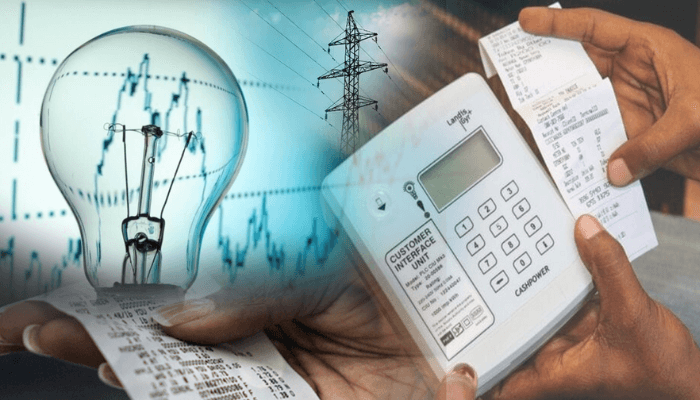
Nigeria’s chronic electricity shortages are driving a strategic shift toward decentralised renewable energy backed by cloud-based management systems, according to a senior executive at Schneider Electric, as the country grapples with a daily power supply averaging less than seven hours.
With only 60 percent of Nigeria’s 220 million people connected to the grid, the nation’s centralised infrastructure, reliant on natural gas generation, a single state-owned transmission network, and multiple private distribution companies, is buckling under pressure from transmission bottlenecks, ageing equipment, and gas supply disruptions, Elijah Daniel, country sales director for process automation & software at Schneider Electric’s English-speaking Africa division, said in an opinion piece published this week.
The infrastructure strain has prompted policymakers to adopt mini-grids and embedded generation systems serving localised user clusters, aligning with Nigeria’s Energy Transition Plan, which targets net-zero emissions by 2060. Solar power expansion to underserved communities forms a cornerstone of that strategy, though implementation requires significant digital modernisation.
Technology Integration

Digital tools, including Internet of Things sensors, analytics platforms, and Software as a Service applications, are becoming critical for managing Nigeria’s evolving energy landscape, Daniel wrote. These technologies optimise substation automation, load forecasting, and energy monitoring while enabling predictive maintenance to reduce downtime.
In embedded generation setups where businesses combine renewables with gas or grid connections, digital controls enable seamless source-switching to prevent blackouts. The systems automatically determine when grid supply is available versus when to draw from solar panels or battery storage, maintaining uninterrupted service.
SaaS platforms offer particular promise by eliminating large upfront capital requirements, allowing energy providers to subscribe to operational management software instead. However, adoption hinges on local customisation, including integration with Nigerian payment gateways and investment in training ecosystems, according to Daniel.
Policy Alignment
Technology deployment alone won’t resolve the crisis without coordinated action on policy, pricing, and investment, the Schneider executive cautioned. While government initiatives promoting decentralisation and private sector participation have established a foundation, and rural electrification programmes show promise under the Energy Transition Plan, critical challenges remain.

Electricity tariffs present a major obstacle. Nigeria’s rates rank among the world’s lowest, undermining project bankability and deterring investment despite chronic supply shortfalls reported by the National Bureau of Statistics.
Infrastructure upgrades and digital tool deployment require stronger incentives through public-private partnerships, donor-backed pilots, and capacity-building programmes to achieve the scale needed for grid modernisation, Daniel argued.
The convergence of renewable energy and digital innovation could transform Nigeria’s power sector from crisis to opportunity, establishing a network built on reliability and sustainability rather than the current fragmented system struggling to meet basic demand, he concluded.
Nigeria’s electricity challenges reflect broader infrastructure deficits across sub-Saharan Africa, where hundreds of millions lack reliable power access despite the region’s renewable energy potential and growing digital connectivity.