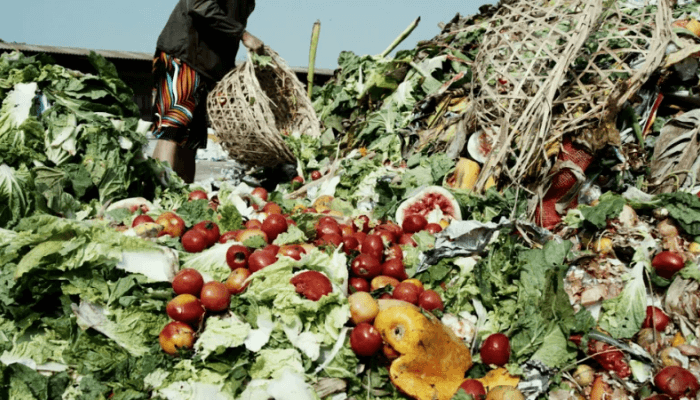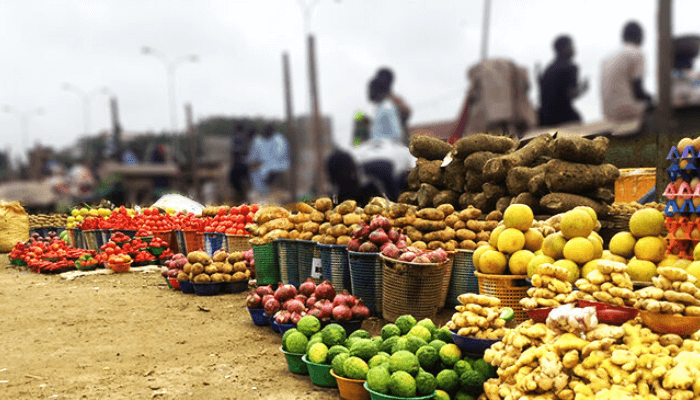
Knowing how to store your food is important to prevent food waste that could end up polluting the environment. It also helps save costs and preserve the quality of the food.
The reason why your food spoils easily might be because of your storage method. There are recommended temperatures for storing staples, depending on the food and its viability.
In this story, BusinessDay looks at how you can increase the shelf life of your staples by storing them under the right temperatures and conditions.
Read also: Nigeria’s food storage gap adds to farmers woes

Rice
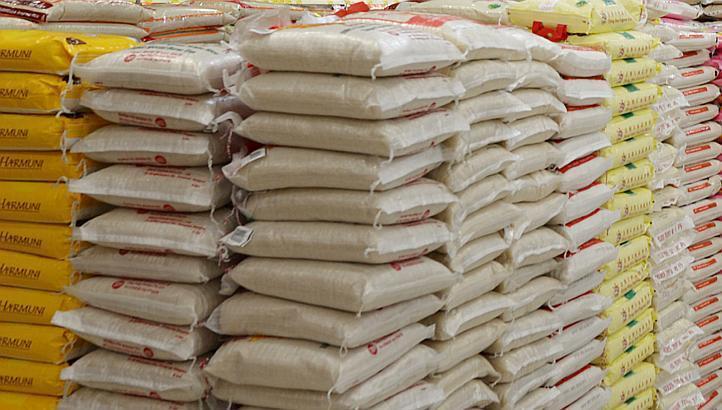
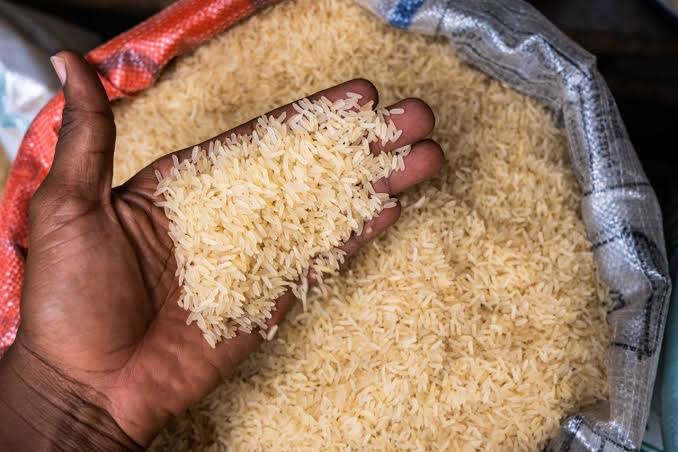
Rice stores best at temperatures between 10 and 25°C, which means a cool, dry room away from direct heat.
At higher temperatures, especially when combined with moisture, rice becomes vulnerable to mould. Storing rice in airtight containers rather than sacks helps maintain quality and reduces losses over time.
Beans
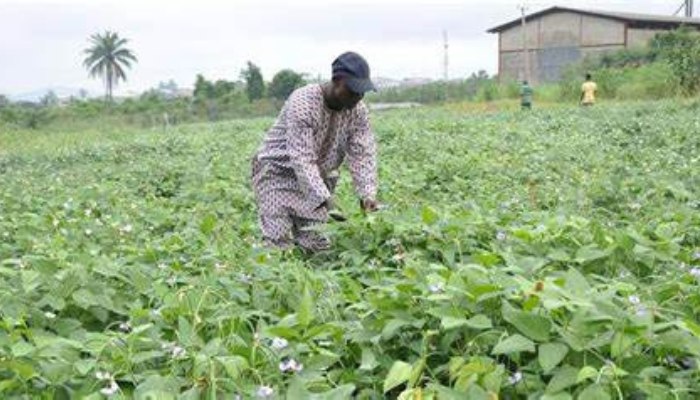
Beans should be stored below 25°C to slow down insect activity and preserve grain quality.
In warm environments, beans are quickly attacked by weevils, leading to weight loss and contamination. For long-term storage, keeping beans in a refrigerator at four°C or lower effectively prevents infestation without the use of chemicals.
Garri
Garri is best stored at room temperatures between 10 and 25°C, provided it is kept completely dry. Moisture is the biggest threat to garri, as it leads to souring and mould growth even when temperatures are moderate.

Properly dried garri stored in sealed containers maintains its taste and safety for a longer period.
Read also: Agric in 2025: Food supply improves but farmers record losses
Fresh tomatoes
Tomatoes are best stored at temperatures between 10 and 13°C to slow spoilage while preserving flavour and texture. Storing tomatoes below 10°C for extended periods damages them, resulting in softening and loss of taste.
Fresh tomatoes are best stored in blended form to prevent fast deterioration.
Fresh pepper
Fresh peppers keep best at temperatures between seven and 10°C, which helps slow decay without causing chilling damage.
At room temperature, peppers lose moisture and spoil rapidly. For long-term storage, freezing peppers at –18°C preserves quality and reduces waste significantly.
Fish
Fish, especially dried, can be stored below 25°C for short periods if the environment is dry and well ventilated.
However, long-term storage requires freezing at –18°C to prevent mould growth and insect infestation. Humidity, more than temperature alone, is the main cause of spoilage in stored fish.
Read also: How Nigeria can curb food inflation and restore purchasing power – World Bank
Yam
Whole yams store optimally at temperatures between 12 and 16°C. Temperatures that are too high encourage sprouting and rot, while refrigeration causes chilling injury that damages texture and taste.
Yams should therefore be stored in a cool, well-ventilated space rather than in the fridge.
Palm oil
Palm oil should be stored at temperatures between 15 and 25°C, away from heat and direct sunlight. Excessive heat accelerates oxidation, leading to loss of colour, nutrients, and flavour.
When stored at cooler temperatures, palm oil may solidify; however, this is a natural reaction and does not indicate spoilage.