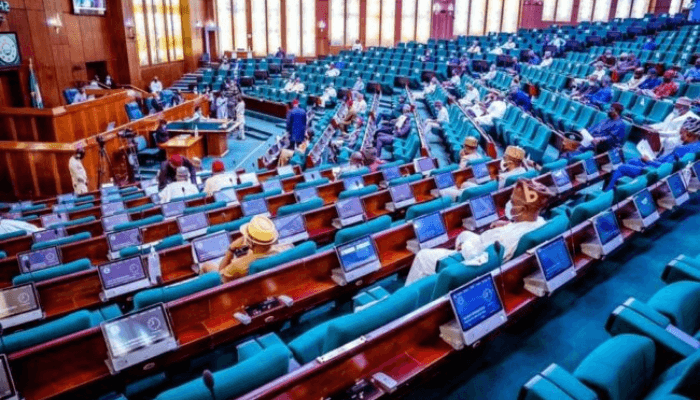
As Nigeria’s House of Representatives legislative activities for 2026, there is a lineup of important bills that could shape how the economy is run, how security is managed, and how power reaches the grassroots in 2026.
From oil refining to central banking, women’s representation and local government autonomy, lawmakers are expected to advance these issues further in this legislative year.
Here are five bills to keep an eye on.
Read also: 2027: Opposition’s unpreparedness seen brightening Tinubu’s re-election chances

Local Refinery Bill
The House says it plans to introduce a Refinery Protection and Promotion Bill aimed at supporting refineries operating within Nigeria and ensuring they are not starved of crude oil. Ikenga Ugochinyere, chairman of the House Committee on Petroleum Resources (Downstream), announced the plan at the inaugural Annual Downstream Week Summit 2025 in Abuja.
According to him, the bill will give local refineries priority access to crude oil and protect their operations from disruption. The proposed law will also classify refineries as strategic national assets, meaning they will receive special protection and attention from the government. Ugochinyere said the bill would also streamline regulations and remove delays that make it difficult for refineries to operate smoothly.
He explained that the move is a response to the struggles faced by local refiners, even with ongoing oil sector reforms such as the enforcement of the Domestic Crude Oil Supply Obligation by the Nigerian Upstream Petroleum Regulatory Commission. That policy requires oil producers to supply crude to local refineries, including modular and conventional ones, before exporting. Lawmakers believe a dedicated law will make this obligation harder to ignore.
CBN Amendment Bill

Another major bill expected to shape debate in 2026 is the amendment of the Central Bank of Nigeria Act. The House has already passed the bill for second reading. The proposal seeks to strengthen oversight, transparency and governance at the apex bank. The bill was co-sponsored by House Leader Julius Ihonvbere and Jesse Onakalausi from Lagos.
Onakalausi told lawmakers that the amendment is necessary because of governance failures, weak oversight, poor communication of monetary policy and distortions in the foreign exchange market. If passed, the bill could change how the central bank is supervised and how decisions that affect inflation, interest rates and the naira are made.
Reserved Seats Bill
One of the most popular proposals under the ongoing Constitution alteration before the House is the bill to reserve legislative seats for women and persons with disabilities. Under the plan, 10 percent of seats in the National Assembly will be reserved for women, while 5 percent will be set aside for persons with disabilities.
If approved, this will amount to about 70 seats in total, with around 47 for women and 23 for PWDs across the House of Representatives and the Senate.
Tajudeen Abbas, the House Speaker said the proposal is based on Nigeria’s long history of poor representation of women in parliament. He noted that women held less than 1 per cent of seats at independence in 1960 and only 2 percent by 1990. Since 1999, women’s representation has remained below 5 per cent. The bill failed in the previous Assembly, making the 10th Assembly’s handling of it closely watched.
State Police Bill
Another bill expected to generate debate is the proposal to allow state police. The bill, titled A Bill for an Act to Alter the Constitution of the Federal Republic of Nigeria, 1999 to Provide for the Establishment of State Police, was sponsored by Deputy Speaker Benjamin Okezie Kalu and 14 other lawmakers. The bill seeks to amend the constitution to allow states to establish and control their own police forces, alongside the federal police. Supporters argue it will improve security, while critics worry about abuse by state governments.
Read also: INEC begins early operational, legal preparations for 2027 general election
Local Government Autonomy Bill
The House is also considering a bill to strengthen local government autonomy. The bill, sponsored by Deputy Speaker Benjamin Kalu and six others, seeks to review the constitutional framework for local government administration. The proposal aims to improve administrative efficiency, transparency and accountability at the local government level. It also seeks to deepen democratic practices and strengthen service delivery at the grassroots. If passed, the bill could significantly change how local councils are run and funded across Nigeria.