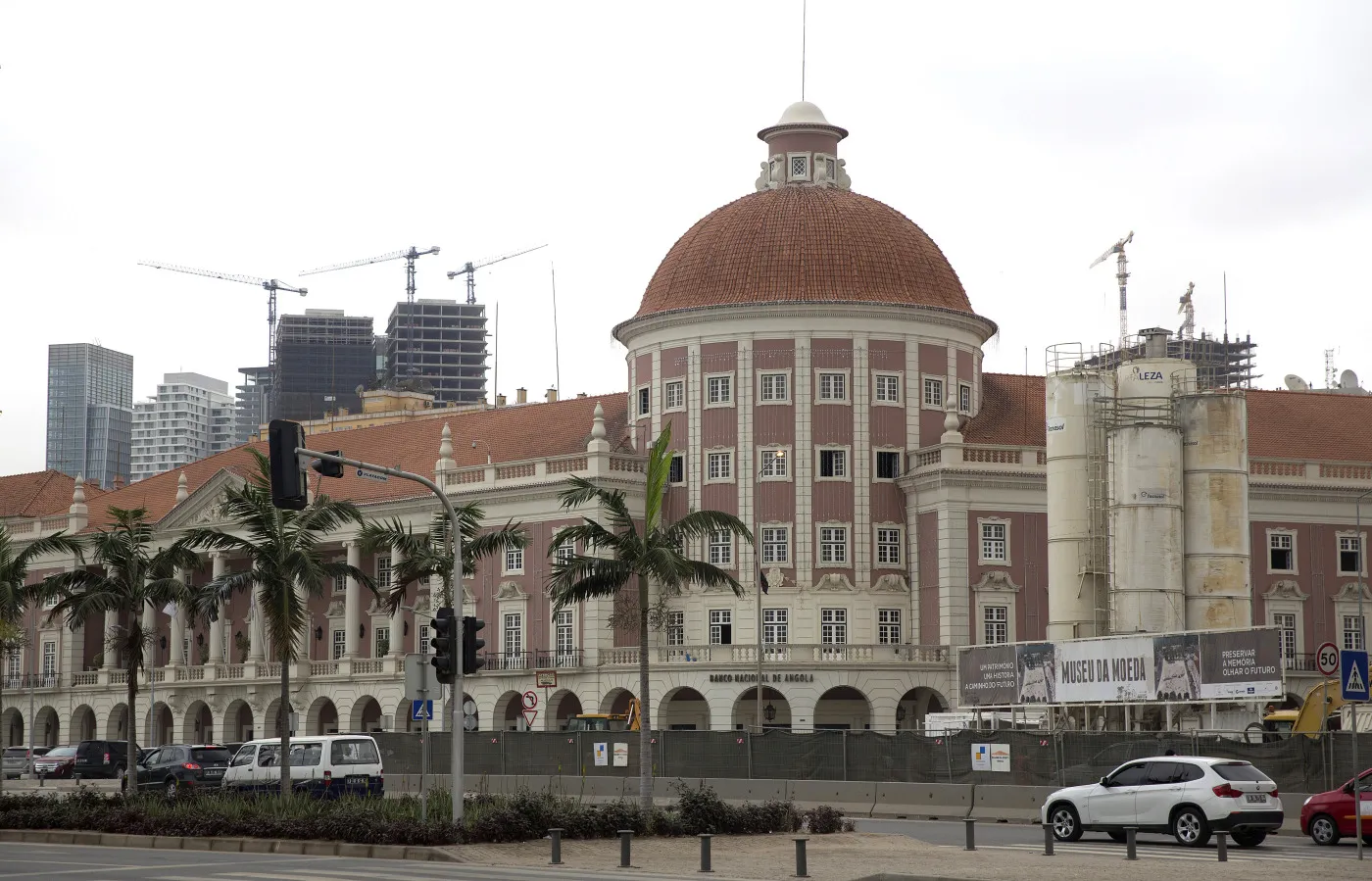
Angola’s central bank cut its benchmark interest rate by 100 basis points to 17.5 per cent at its first monetary policy meeting of 2026 on Wednesday, the lowest level since October 31, 2023, as easing inflation and more stable domestic conditions allowed Africa’s third biggest oil producer to press ahead with monetary easing.
The decision marks the National Bank of Angola’s (BNA) third rate cut since it ended its tightening cycle at a terminal rate of 19.5 per cent in September 2025.
“The decision on policy interest rates is justified by the consistent slowdown in inflation, which in December exceeded the target set for 2025, as well as by the prospect of this trend continuing in the coming months,” the central bank said.
The BNA also reduced the permanent liquidity provision facility rate to 18 per cent from 19per centent, while keeping the liquidity absorption rate unchanged at 1per centcent.

The move contrasts with developments in Tanzania, one of Angola’s African peers, where the central bank earlier this month held its benchmark rate at per cent for a second consecutive meeting, citing a cautious stance amid moderating growth and inflation dynamics.
Angola’s easing was supported by a sharp deceleration in inflation and improved exchange-rate stability. Inflation closed 2025 at 15.7 per cent, down from 26.5 per cent in January and significantly below the peak ofper centercent recorded in 2024, according to World Bank data. Average inflation for the year stood at about 20.4 per cent, still in double digits but trending lower.
The apex bank said the disinflation trend reflected increased supply of widely consumed goods, tighter monetary conditions earlier in the cycle, and sustained stability in the kwanza, reducing the need for currency devaluation.
Food inflation, a key driver of past price pressures, cooled sharply. Prices in the food and non-alcoholic beverages category rose 16.15 per cent, down from 30.47 per cent a year earlier, although the category still contributed 9.78 percentage points to headline inflation.
Inflation eased across most regions. In Luanda, year-on-year inflation fell to 14.2 per cent from 32.18 per cent a year earlier. Inland provinces recorded similar declines, including Huambo at 13.6 per cent and Zaire at 14.33 per cent.

Monetary conditions remained broadly contained despite the easing cycle. The monetary base expanded by 3.77 per cent in 2025, while broad money in local currency grew by 15.8 per cent, broadly in line with inflation, the BNA said. Credit to the economy rose 22. er cent to 7.37 trillion kwanzas by December.
External buffers also remained solid. Foreign exchange reserves edged up to $15.9 billion, equivalent to 7.6 months of import cover. The BNA said exchange-rate stability was supported by aper centcent increase in foreign currency supply to commercial banks, alongside one-off dollar sales by the treasury and the central bank.
The rate cut comes as economic growth shows modest but broadening momentum. Data from Trading Economics show that Angola’s $100.9 billion economy grew by per cent in the third quarter of 2025, reversing a 0.1 per cent contraction in the previous quarter.