Oil prices climbed and settled at seven-week highs on Monday on worries that Iran’s exports could decline as the sanctioned OPEC member cracks down on anti-government demonstrations.
Limiting price gains were expectations that supplies could rise from Venezuela, another sanctioned member of the Organisation of the Petroleum Exporting Countries.
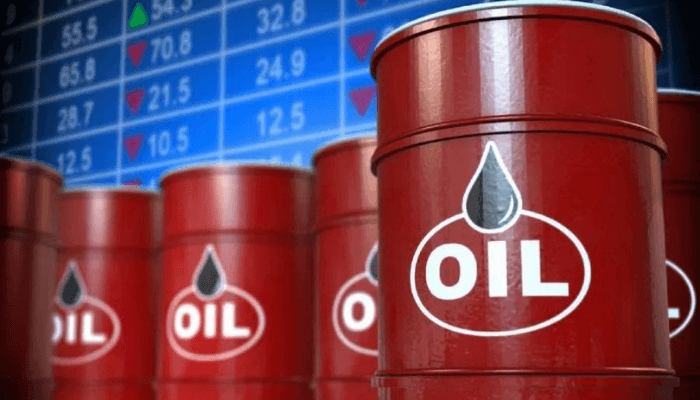
Brent futures rose 53 cents, or 0.8% to settle at $63.87 a barrel. U.S. West Texas Intermediate crude rose 38 cents, or 0.6%, to settle at $59.50.
It was Brent’s highest settlement since November 18 and WTI’s since December 5.

Read also: Trump moves to block courts from seizing Venezuelan oil revenue in US accounts – Reuters
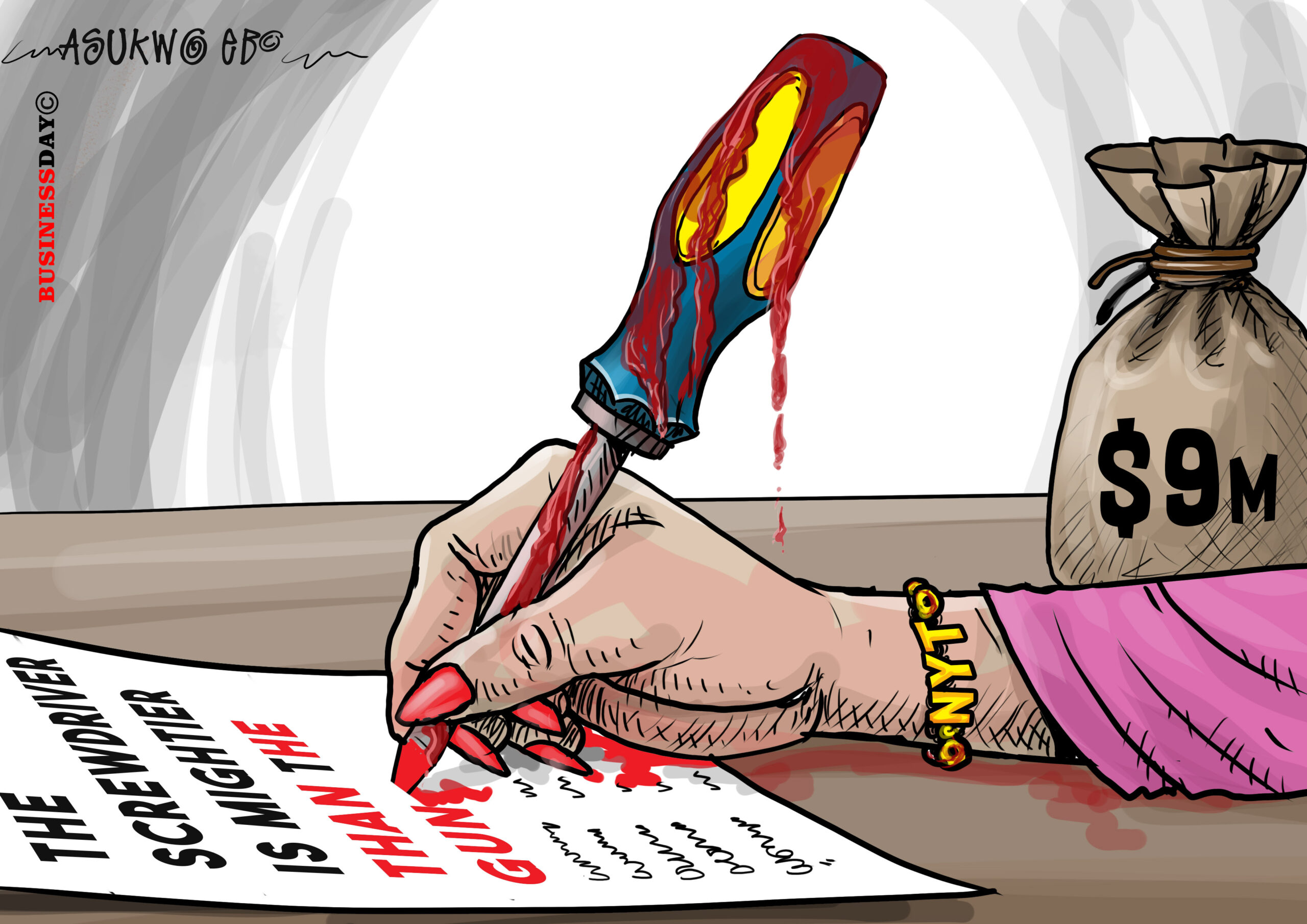
Iran said it was keeping communications open with Washington as President Donald Trump weighed responses to a deadly crackdown on nationwide protests, among the stiffest challenges to clerical rule since the 1979 Islamic Revolution.
On Sunday, Trump said the U.S. may meet Iranian officials, and he was in. He threatened possible military action over lethal violence against protesters.
Iran has a record amount of oil on the water, equivalent to about 50 days of output, with China having bought less because of and Tehran seeking to protect its supplies from the risk of U.S. strikes, data from Kpler and Vortexa shows.
Venezuela is expected to resume oil exports soon following the ouster of President Nicolas Maduro. Trump said last week the government in Caracas was set to hand over as much as 50 million barrels of sanctioned oil to the U.S.

Oil companies have been racing to find tankers and prepare operations to ship the crude safely, four sources familiar with the operations said.
In a White House meeting on Friday, multinational commodities firm Trafigura said its first vessel should load in the next week.
Two China-flagged supertankers that were sailing to Venezuela to pick up debt-paying crude cargoes during the U.S. oil embargo on the OPEC country have made a u-turn and are now heading back to Asia, LSEG shipping data showed on Monday.
Investors are also watching the risk of disruptions in supply from Russia, as Ukraine’s attacks have targeted its energy facilities, and the prospects of tougher U.S. sanctions on Moscow’s energy.
In Azerbaijan, oil exports dropped to 23.1 million tonnes in 2025 from 24.4 million tonnes in 2024, the energy ministry said on Monday.
Russia and Azerbaijan are both members of OPEC+, which includes OPEC and allied producers.
In Norway, the government said on Monday it will present a policy document to parliament next year on the future of the oil and gas industry, including companies’ access to exploration acreage.
“The oil and gas industry is crucially important for Norway, and should be developed, not phased out,” Norway’s Prime Minister Jonas Gahr Stoere said in a speech.
U.S. bank Goldman Sachs said in a note that oil prices are likely to drift lower this year as new supply becomes available and creates a market surplus, although geopolitical risks tied to Russia, Venezuela and Iran will continue to drive volatility.