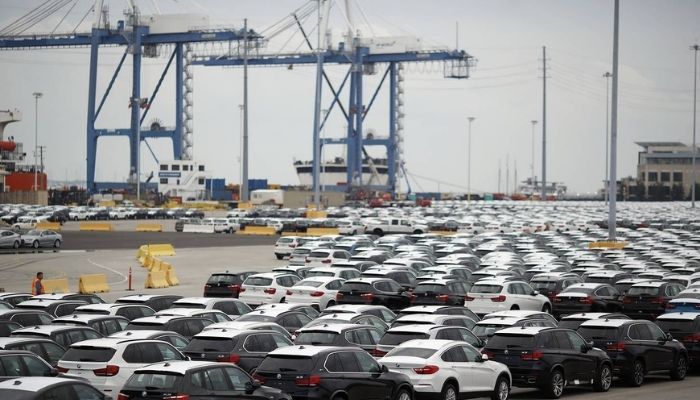
Foreign nationals visiting Nigeria can now bring in their personal vehicles without paying import duties, following a new policy framework rolled out by the Nigeria Customs Service to regulate temporary vehicle admission and transit.
The policy, which Customs describes as a “safe passage” arrangement, applies to non-commercial vehicles owned by international travellers entering Nigeria “for tourism, diplomatic, business, or personal purposes.” Instead of being treated as full imports, such vehicles will be granted temporary admission for up to three months and allowed to move freely within the country before exiting.
Customs said the initiative is backed by the Nigeria Customs Service Act, 2023 and aligned with international conventions governing temporary admission of vehicles.
“It seeks to ease cross-border movement, strengthen Nigeria’s compliance with international obligations, and reinforce the nation’s commitment to trade facilitation and regional integration,” The Service said in a statement on Wednesday.

Under the new framework, eligible travellers will be issued a Temporary Vehicle Admission Permit valid for up to 90 days after presenting required documents including passport, international driver’s licence, vehicle registration, insurance and the Carnet de Passages en Douane, which is an international passport for vehicles.
Read also: Car imports in Nigeria rebound in 2025
The admission permit, after expiration, can be extended by up to 30 days “subject to approval by the relevant Customs Area Controller.”
Customs said that vehicles admitted under the scheme must remain strictly for personal use and cannot be “sold, leased, transferred, modified, or used for commercial purposes.”
At the point of exit, the same vehicle must be presented to Customs, while any incident involving theft, accident or breakdown is to be reported immediately.

The new policy mirrors the Temporary Admission Permits (TAP), an agreement under international and national customs law that allows companies to bring in goods duty-free, provided such goods are re-exported within a specified period “without alteration beyond normal depreciation,” or converted for home use.
In July 2025, the Service had issued a 21-day ultimatum to 223 companies that had failed to re-export or pay duties on goods brought in under TAP. These defaults amounted to approximately N380 billion in bond values.
Before you leave, read: Consumers to pay more as biggest shipping company hikes fees for Nigerian importers