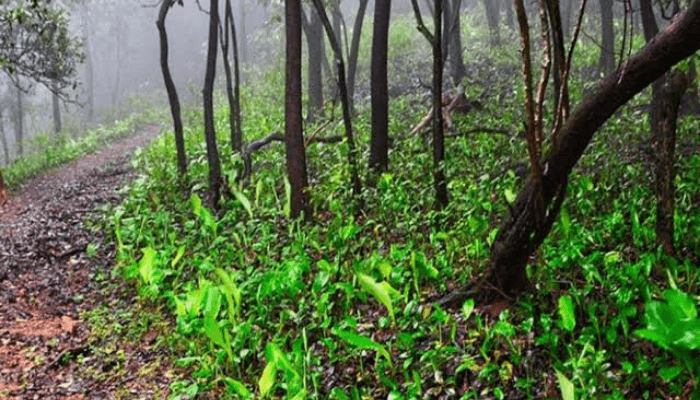
Global capital chasing sustainable agriculture is quietly circling Nigeria, not for traditional row crops but for agroforestry, a hybrid model that combines trees with crops and livestock and could unlock multiple high-value revenue streams that investors have largely overlooked.
“Agroforestry systems that combine trees with crops and livestock can improve soil health, enhance climate resilience, and support sustainable agriculture by creating a more productive and resilient farming future in Nigeria,” says TraceX Tech, highlighting the environmental and productivity benefits of these systems.
Integrating trees into agricultural systems has proven economic and environmental benefits that are only now beginning to attract serious attention among agribusiness investors. Agroforestry offers diversified revenue from timber, fruit, biomass, and increasingly from carbon markets that reward climate-smart land use.
That diversity of return makes it compelling in a year when agricultural value chains are under scrutiny for resilience and sustainability.

Agroforestry also aligns with Nigeria’s broader push to expand climate-smart agriculture. Scientific assessments of voluntary carbon markets highlight agroforestry practices as a meaningful way for farmers to participate in climate action while earning additional income from carbon credits generated by sequestering greenhouse gases.
These markets can offer substantial financial incentives and improve market access for farmers who adopt practices that integrate trees into their land use.
A sector primed for growth
Nigeria’s agroforestry potential is rooted in its vast arable land, diverse climates, and established agricultural heritage. Experts argue the country has yet to realise significant economic gains from these assets.
The National President of the All-Farmers Association of Nigeria estimates that harnessing agroforestry could generate more than USD 2 billion annually, supporting both rural economies and national diversification goals. This estimate stems from the combined value of timber, fruit orchards, reforestation activities, and carbon sequestration services.

In parts of Sub-Saharan Africa, agroforestry adoption has been linked to increased farm income and resilience against climate shocks. In Nigeria’s Oyo State, a recent economic analysis found that agroforestry farms not only improve soil fertility but also generate net farm income for smallholders, demonstrating that environmental benefits can translate into real financial returns.
“Our results indicate that agroforestry practices not only sequester significant carbon but also have a large capacity to generate additional income for smallholder farmers, with agroforestry net farm incomes recorded at N237,966.68 ($311.12) in the last season,” says analyst.
Where returns come from
For investors, agroforestry’s appeal lies in multiple revenue pillars:
Timber and biomass, fast-growing hardwood species such as eucalyptus and teak deliver periodic returns through timber sales. The timber value chain in Nigeria is underdeveloped compared with other agribusiness segments, offering early entrants potential market power.
Fruit orchards, mango, citrus, avocado, and cashew trees can provide consistent annual returns once established, tapping into both domestic demand and export channels. Nigeria’s fruit processing infrastructure, exemplified by facilities like the Benfruit plant in Benue State, illustrates how high-value fruit outputs can be monetised locally and internationally.
Carbon credits and climate finance, Nigeria’s emerging role in voluntary carbon markets positions agroforestry as a provider of tradable ecosystem services. Carbon projects are gaining visibility, with initiatives focused on soil health, tree planting, and forest conservation.
“Agroforestry addresses food security, climate resilience and biodiversity loss while opening new revenue from high-value cash and fruit trees and monetizable carbon credits, but access to seedlings, farmer training and finance remains a key constraint,” note project leaders from TRCC and FasterCapital, in 2025.
Why investors are paying attention now
Agroforestry’s economics are strengthened by multiple macro trends. Nigeria’s agricultural sector is central to national GDP and employment, yet it faces environmental stressors including declining soil health and climate volatility. Trees integrated with crops mitigate soil erosion, enhance water retention, and improve nutrient cycling, boosting yields in mixed systems.
Institutionally, Nigeria is advancing carbon market policies and supporting frameworks that could make agroforestry more investable. The country hosts a relatively high number of carbon project developers and is shaping its approach to voluntary carbon markets, offering clearer pathways for project developers and buyers.
Risk profile and challenges
Agroforestry investment is not without hurdles. Returns on timber and carbon credits take time to materialise, often requiring patience that many investors do not have. Land tenure insecurity remains a persistent issue that complicates long-term forestry investments.
Regulatory and technical capacity gaps can limit smallholder participation in carbon markets, underscoring the need for better measurement, reporting, and verification systems. Moreover, the profitability of carbon credits hinges on pricing dynamics in voluntary markets.
Multiple streams, one strategy
For institutional and private investors focused on agriculture that combines revenue, resilience, and sustainability, agroforestry presents a rare triple-win proposition. Early movers into this space in Nigeria can capture significant value from a sector that is both economically underexploited and strategically aligned with global sustainability priorities.
As international capital increasingly seeks nature-based solutions with measurable returns, agroforestry in Nigeria is emerging from the shadows into the spotlight as a credible, multi-layered investment opportunity.