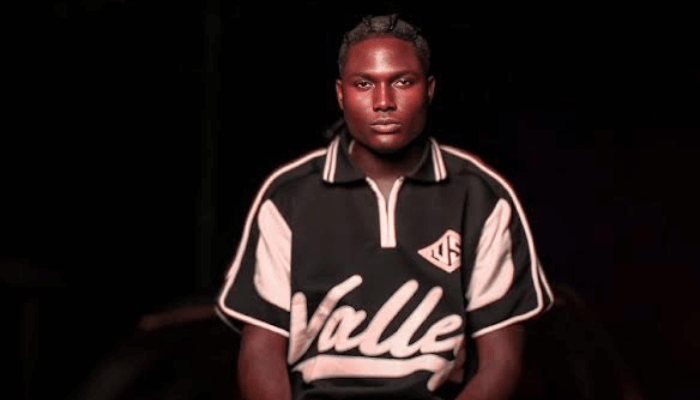
Philip Igbafen is a young Nigerian music artist who believes in self-discovery. He has used music to inspire young people who are still finding their path. In this interview with NGOZI OKPALAKUNNE, Igbafen, popularly known as Mr. 6ix, called on the government to officially recognise artists and create structures that support creativity. During the interview, he also spoke on issues of national interest. Excerpts:
- What sparked your passion for music?
- What’s your music journey been like so far, and how many years have you been making waves?
- Who are your music influencers?
- What have been your biggest hurdles as an artist, and how were you able to overcome them?
- There is a perception that local artists are too expensive to hire for performances in Nigeria. What is your take on this?
- In what ways do you think upcoming artists can be encouraged?
- Is there any way the government can support upcoming artists in Nigeria?
- How do you balance creativity with commercial appeal?
- What achievements have you recorded so far?
- What is the plan for the next five years? Where do you see yourself headed?
- Advice to upcoming artists in Nigeria?
What sparked your passion for music?
I didn’t choose music; music chose me. It’s hard to fully explain, but from a very young age, I felt a strong pull toward creative expression. I started out as a creative writer, using words to express thoughts, emotions, and experiences. Over time, I realised that my voice was more than just a tool for entertainment.
It was a medium to pass messages, inspire, and connect with people. Music became the natural extension of that purpose, and I believe I was chosen to communicate something meaningful through it.
What’s your music journey been like so far, and how many years have you been making waves?
My journey into music began from birth. I was born into a musical family; my father is a Sound Engineer, and my eldest brother is both a Sound Engineer and a Music Producer. Growing up around sound and equipment gave me a deep understanding of music from a very early age. I became actively involved around 2012, starting as a drummer. In 2016, I learned bass guitar and later that same year moved into music production as a beat maker. These stages helped me build a solid technical and creative foundation. By 2019, I had grown into a professional producer and songwriter, and in 2022, I fully transitioned into music entertainment as an artist. Since then, the journey has been challenging yet fulfilling, focused on growth, self-discovery, and using my music to inspire young people who are still finding their path.

Who are your music influencers?
I don’t look up to one particular artist; I focus more on the art itself. To me, music is deeply spiritual; it comes from a place beyond the body and mind. I connect with the creative process, message, delivery, groove, and overall vibe, appreciating both the art and its creator. That said, Burna Boy has greatly influenced my journey. His ability to merge strong messages with powerful grooves without losing meaning sets him apart. From different sounds and cultures, I draw lessons and pass them on, especially to the younger generation, through my music.
What have been your biggest hurdles as an artist, and how were you able to overcome them?
One of my biggest challenges has been recording and producing my own music. Doing everything yourself sounds cool, until you realise you are the artist, producer, engineer, and sometimes the therapist too. It can be financially, mentally, and creatively draining. There were moments it felt overwhelming, but collaboration saved the day. Working with other producers and creatives not only eased the pressure, it opened new doors, taught me teamwork, and helped me refine my sound without losing my vision.
There is a perception that local artists are too expensive to hire for performances in Nigeria. What is your take on this?
There’s often a misconception that local artists are too expensive to book, but that view overlooks the structure behind every performance. An artist doesn’t work in isolation; there is a full team involved, including managers, producers, dancers, sound engineers, and technical crew.
Each performance supports livelihoods and reflects preparation, logistics, and quality delivery. So, it is not about being expensive; it is about properly valuing the work, the people, and the standard of excellence that comes with a professional performance.
In what ways do you think upcoming artists can be encouraged?
Upcoming artists need more than talent; they need access. Visibility through credible platforms, showcases, media support, and digital promotion is essential. Beyond exposure, there should be structures for mentorship, funding, and creative development. Established artists can play a key role by being more accessible, through collaborations, guidance, and opening doors that are usually closed to newcomers.

In addition, the industry needs more safe spaces where upcoming artists can learn the business side of music, contracts, branding, and distribution. When talent is supported with opportunity, knowledge, and community, growth becomes sustainable, and the future of the industry stays strong.
Is there any way the government can support upcoming artists in Nigeria?
The government can play a big role by formally recognising artists and creating structures that support creativity. Organising concerts, festivals, and talent showcases gives artists a platform to perform, be discovered, and grow. Supporting artists in this way not only nurtures creativity but also strengthens the cultural economy.
How do you balance creativity with commercial appeal?
Balancing creativity and commercial appeal is all about collaboration and support. I work closely with my team to explore ideas, refine my sound, and make music that feels authentic to me while also connecting with listeners. This teamwork allows me to grow steadily, stay confident in my creative choices, and enjoy the process without feeling overwhelmed.
What achievements have you recorded so far?
I believe that even the smallest actions can create a ripple effect; after all, an ocean is made of drops. One of my proudest achievements is my commitment to making a positive impact every day. Whether through music, words, or even a simple smile, I strive to touch at least one life daily.
I remember a young fan who reached out after hearing one of my songs. He said it gave him hope to pursue his dreams despite challenges. Moments like that remind me that even small gestures through music, words, or a simple smile can change someone’s life.
For me, true success isn’t measured in awards or numbers, but in the difference you make and the lives you uplift along the way.
What is the plan for the next five years? Where do you see yourself headed?
Five years may feel like a long time, but in the grand scheme, it’s just the beginning. My goal isn’t merely to build a fan base; it’s to create a family of listeners who truly understand my music and the message behind it. I want my music to inspire them, motivate them to grow, and encourage them to become better versions of themselves every day.
On a personal level, I hope to evolve as an artist, constantly exploring new sounds, stories, and ways to connect. But more importantly, I want to grow mentally, emotionally, and spiritually so that my journey isn’t just about music, but about meaningful impact. In five years, I see a community built on understanding, positivity, and shared growth, and I’m committed to nurturing that every step of the way.
Advice to upcoming artists in Nigeria?
To all upcoming artists in Abuja and beyond: if you can dream it, you can achieve it. Talent alone isn’t enough; you need focus, discipline, and belief in your vision. There will be distractions, doubts, and setbacks, but don’t let them define you. Every small step forward matters.
Stay consistent, keep learning, and trust the process. Your dreams are valid, your voice matters, and with persistence, you can turn your passion into a lasting impact. The journey may be challenging, but the rewards are worth every effort.