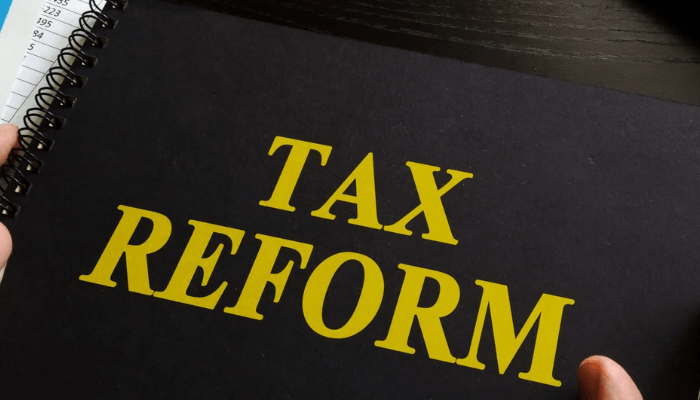
The proposed new tax regime is struggling to resonate with Nigerians, not because it’s
inherently flawed, but because its rollout has overlooked a crucial element: tax morale. The
controversy surrounding the bill’s passage, coupled with conflicting narratives from citizens
and interest groups, highlights a fundamental issue – the government’s approach to tax
reform has been overly technical, neglecting the social contract between taxpayers and the
state.
The Taiwo Oyedele Presidential Fiscal Policy and Tax Reform Committee did a commendable job on the technical aspects, but its narrow focus ignored the bigger picture: fostering a healthy tax culture. In a country where citizens grapple with basic needs like hunger, poverty, and illiteracy, tax compliance will remain a challenge if the government doesn’t address these underlying issues.
The passage of the tax bill should have been an opportunity to tackle broader taxation
issues and rebuild trust. Instead, we’re now at an implementation stage with a fractured
narrative. It’s time to hit the reset button.
The clock is ticking, and the discrepancies between the National Assembly’s passed bill
and the gazetted version need urgent resolution to salvage credibility. The National Tax
Policy Implementation committee with Kayode Tegbe as chairman must hit the ground
running, engaging citizens and stakeholders to co-create a tax regime that’s fit for purpose.

Building consensus on taxation and educating citizens about the new regime must take
center stage. This isn’t just about revenue collection; it’s about redefining the relationship
between Nigerians and their government. By prioritizing transparency, accountability, and
citizen engagement, we can create a tax system that works for everyone.
I would recommend the following next Steps:
1. Resolve discrepancies: The National Assembly and the Executive should urgently
reconcile the differences between the passed bill and the gazetted version.
2. Stakeholder engagement: The Tegbe implementation committee should engage
citizens, civil society, and private sector stakeholders to co-create a tax regime that’s
inclusive and equitable.
3. Tax education: Launch a nationwide campaign to educate citizens about the new tax
regime, its benefits, and their responsibilities.

4. Address underlying issues: The government should demonstrate its commitment to
addressing basic challenges like hunger, poverty, and illiteracy to boost tax morale.
The road ahead requires more than just policy tweaks; it demands a cultural shift. Let’s
reboot the conversation, prioritize tax morale, and make compliance a collective
responsibility.
Maduegbuna is chairman of C&F Porter Novelli, Strategic Communications
Consultancy