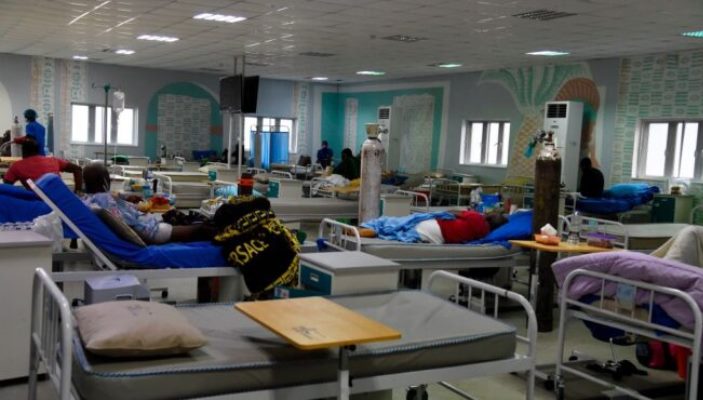
The year 2025 was a defining one for Nigeria’s health sector, marked by major challenges and notable policy shifts.
In January, an executive order by the United States administration imposing a 90-day suspension on foreign aid sent shockwaves through the sector. The decision raised serious concerns among stakeholders who depended on external funding to support people living with HIV/AIDS, tackle malnutrition, and reduce maternal and child mortality.
Although a waiver was later issued for life-threatening conditions such as HIV, bringing some relief, the National Agency for the Control of AIDS (NACA) noted that the initial disruption exposed Nigeria’s vulnerability.
“Nigeria has the highest burden of persons living with HIV and AIDS in West and Central Africa. The initial executive order raised a lot of concerns, as these funds have supported the country’s population living with HIV and AIDS for a very long time,” the report stated.

“However, the administration issued a waiver for lifesaving medicines and medical services, offering a reprieve for a worldwide HIV treatment programme. This waiver allows for the continuous distribution of HIV medications (ARVs) and medical services supported by PEPFAR in Nigeria,” it added.
Despite this relief, malnutrition emerged as a major concern. In March, the United Nations Children’s Fund (UNICEF) warned that about 14 million children could face nutrition disruptions due to the funding cuts. By July, UNICEF reported a rise in severe acute malnutrition (SAM) cases from 2.6 million in 2024 to three million in 2025, with conflict-affected northern states bearing the brunt.
Read also: How USAID shutdown will impact Nigeria
Another defining issue was the deepening health workforce crisis. Rising brain drain and staff shortages overstretched the system, triggering multiple industrial actions by health unions, including the National Association of Resident Doctors (NARD), the Joint Health Sector Unions (JOHESU), and the National Association of Nigerian Nurses and Midwives (NANNM).
The strikes disrupted services in public hospitals, forced patient referrals to private facilities, and exposed slow government response to negotiations.

The third major development was the federal government’s push to expand universal health coverage (UHC) through primary healthcare revitalisation, increased insurance enrolment, and the implementation of the Basic Healthcare Provision Fund (BHCPF). According to the National Primary Healthcare Development Agency (NPHCDA), about 901 primary healthcare facilities were renovated nationwide in 2025.
The year also saw the rollout of malaria vaccines in pilot states, alongside strengthened disease surveillance for Lassa fever, malaria, and HIV, according to the Federal Ministry of Health.
“We saw a lot of challenges this year with strikes and reneging of agreements by the federal government,” said a top medical doctor who spoke on the condition of anonymity.
“This year, we had a high level of health sector exodus, as several doctors, nurses and other health workers left for greener pastures. We hope that the government will take the health sector more seriously next year,” he said.
He noted that this year saw positive developments in private hospitals, with some of them having the level of equipment seen in developed economies.