|
Getting your Trinity Audio player ready...
|
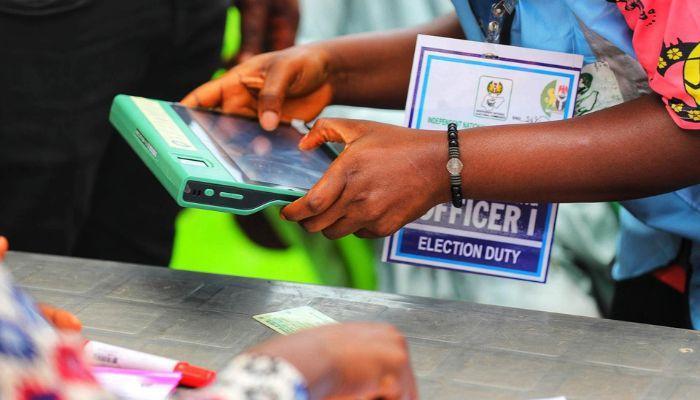
General elections in the Central African Republic ended on Sunday evening, with domestic and international observers reporting an orderly voting process across the country. The vote, which closed at 6:00 p.m. local time, marked another phase in the country’s political calendar as citizens selected a president, members of the National Assembly and local authority officials.
According to a post-election assessment released by the Réseau Arc-en-Ciel (RAC), voting took place at 6,700 polling stations nationwide. The organisation stated that polling centres operated as scheduled and remained open to voters until the official closing time. The RAC also reported that polling stations functioned in both urban areas and remote communities, allowing participation across regions.
About 2.4 million registered voters were eligible to take part in the elections. Observers from the European Union and the African Union confirmed the RAC’s findings and reported no major security incidents during voting hours. Monitoring teams noted steady voter presence at polling units throughout the day.
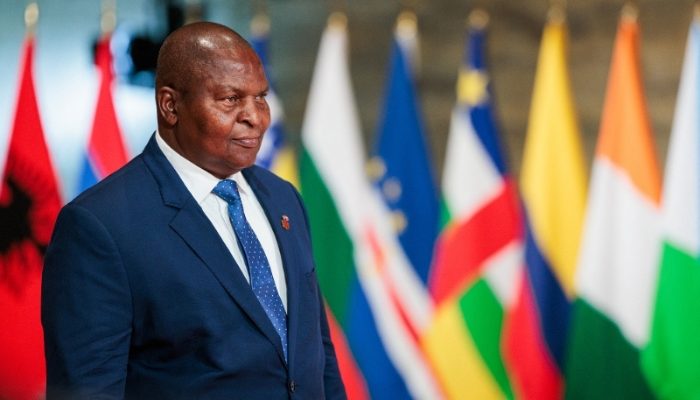
Seven candidates contested the presidential election. Incumbent President Faustin-Archange Touadéra is seeking another term with the backing of the United Hearts Movement (MCU). His challengers include former Prime Ministers Anicet-Georges Dologuélé of the Union for Central African Renewal (URCA) and Henri-Marie Dondra of UNIR. Other candidates on the ballot were Serge Djorie, Aristide Briand Reboas, Eddy Symphorien Kparekouti and Marcellin Yalamende, who all ran as independents.

Under the constitution, the presidential term is seven years. A candidate must obtain 50 per cent plus one vote to win in the first round. If this threshold is not met, a second round is planned for February 2026. The National Elections Authority (A.N.E.) is expected to announce provisional results on 5 January 2026.
Voters also elected members of the National Assembly, which has 140 seats and a seven-year legislative mandate. A total of 685 candidates participated in the parliamentary race, with almost half running as independents and others representing more than 40 political parties. Analysts indicate that the MCU may retain control of the legislature. Where required, a second round of parliamentary voting is scheduled for 5 April 2026.
As the country awaits official results, the elections have drawn attention to citizen engagement and the conduct of the voting process.