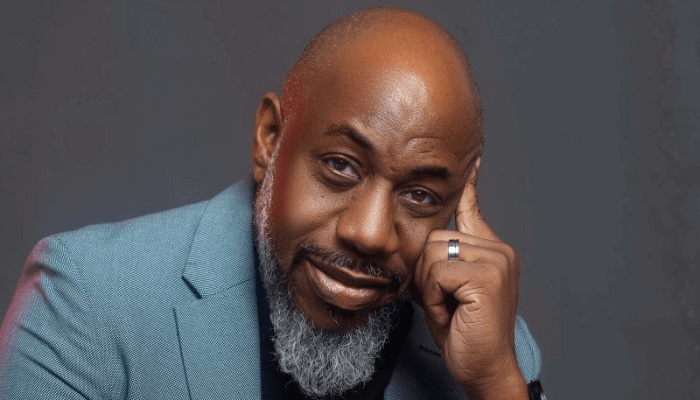
In an era where box office numbers often dominate conversations around success, Nigerian filmmaker, Ekelemchukwu Martins Nnaji, also known as Martinz Nnaji Jr., has chosen a more deliberate path. Now based in the UK and working across borders, his latest short films, Milk and Mirrors and All You Have To Do Is Lie, are more focused on cinematic clarity. In this interview, he reflects on storytelling discipline, the enduring power of short films, and how global exposure is shaping his creative journey. Excerpts
Your new short films, Milk and Mirrors and All You Have To Do Is Lie, are already drawing attention. What inspired the stories, and how intentional was the balance between specific settings and universal themes?
Both films were born from an interest in quiet, internal conflicts, those moments when people are forced to confront truths they would rather avoid. Milk and Mirrors explores identity, mental health, and motherhood, while All You Have To Do Is Lie examines moral compromise and the cost of survival under pressure.
That balance was very intentional. Rather than generalise the worlds of these films, I focused on precise, lived experiences, social dynamics, silences, unspoken rules, trusting that audiences would recognise their own truths within them.

From a directing standpoint, what were the biggest creative challenges in telling these stories within the short-film format?
The biggest challenge was the economy of storytelling, deciding what not to show. Every frame in a short film has to earn its place. There’s no luxury of explanation, so you have to trust the audience to read subtext rather than spell everything out. That constraint forced me to strip each story down to its emotional core and build outward with restraint, relying heavily on performance and visual language to carry meaning.
What did you ultimately want audiences to take away from these films?
I wanted audiences to sit with the emotional experience rather than leave with a fixed message. If there’s a takeaway, it’s an invitation to reflect on how easily we compromise our truths and the cost of those compromises. More than anything, I hope the films encourage empathy rather than judgment and spark quiet conversations long after the credits roll.
With a background in long-form filmmaking and television, why have short films become central to this phase of your career, and how do they fit into your broader creative journey?
Short films give me room to experiment without compromise. Coming from long-form storytelling, I became interested in distilling my process down to what truly matters, character, atmosphere, and emotional clarity. One major creative shift for me has been prioritising story above everything else.

Each short is a complete artistic statement. The goal is not simply to move from shorts to features, but to build a coherent creative practice that can grow across formats, platforms, and collaborations.
How has working across Nigeria and the UK shaped your perspective as a filmmaker?
Working across both environments has given me a dual perspective. Nigeria trained me to be resourceful and emotionally direct, while the UK has sharpened my attention to structure, nuance, and restraint.
That movement between contexts has helped me distinguish what is culture-specific from what is universally emotional. It has pushed me to tell stories grounded in lived reality, but with a reach that extends beyond borders.
These films are being submitted to international festivals. What kind of response are you hoping for?
Ideally, a combination of critical attention, industry conversation, and future collaborations. Critical response validates artistic risk and helps the work reach wider audiences, industry conversations are invaluable, while festivals also create meaningful spaces for dialogue with programmers, producers, and fellow filmmakers. Ultimately, I hope the films create connections that extend beyond the screening itself.
How would you describe your filmmaking philosophy?
I’m drawn to stories that explore the complexities of human nature, particularly in moments of quiet, private intimacy where image and action carry as much weight as dialogue.
At the same time, I’m very attentive to form. Every frame, cut, and line must serve both a narrative and emotional arc. Whether working in short or feature-length formats, I aim to balance intuition with craft to create films that feel personal, yet widely resonant.
As audiences begin to engage with your work on a global stage, what can they expect next from you?
They can expect me to continue exploring emotionally honest stories while expanding the scope of my work through larger-scale projects and international collaborations. I’m interested in pushing narrative boundaries through experimentation and cross-cultural perspectives, without losing the human core that defines my films. Ultimately, I want audiences to feel challenged, moved, and invited to reflect long after the experience ends.