Former President Muhammadu Buhari may not always have known what was happening under his watch, as powerful figures around him allegedly curated the information he received, even down to the newspapers he read, according to Charles Omole, a lawyer and author.
Omole made the revelation on Thursday during an interview on Channels Television while discussing his newly launched biography, From Soldier to Statesman: The Legacy of Muhammadu Buhari, which examines the former Nigerian leader beyond policies and politics.
Responding to criticism that Buhari appeared detached from the activities of his ministers, Omole said the book deliberately avoided a policy-by-policy assessment. “This book is not about policy, Buhari policy. It’s about the man, Buhari,” he said. “Reference to policies is as it relates to his thinking… rather than the policy itself.”
According to Omole, Buhari’s leadership style was shaped by delegation and trust. “Buhari by nature, he delegates. Once he delegates, he allows you to do the work,” he explained. However, he argued that this trait left the president vulnerable to manipulation by those closest to him.
“A lot of what he believed was going on was curated by people around him,” Omole said, adding that some sensitive details were deliberately excluded from the book because they were “probably too hot to put in.”
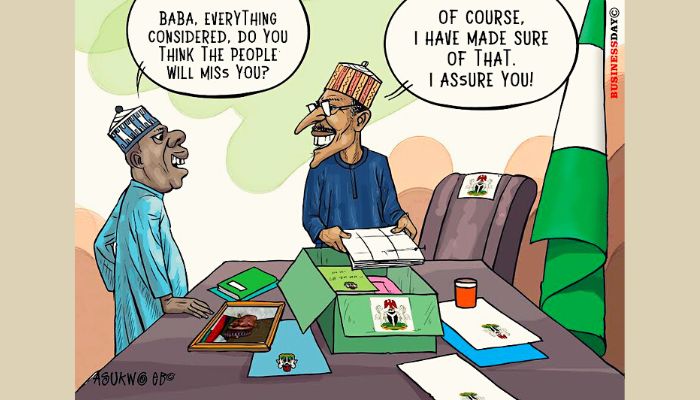
One of such issues, he disclosed, was the alleged control of information reaching the former president. Omole noted that Buhari was known to be an avid newspaper reader, but claimed that reports suggested a powerful cabal went as far as producing a tailored version of the press for him.
“There were reports that the cabal went to the extent of curating his own newspaper, a version of the newspaper, that would plant stories they wanted him to read,” he said.
Omole added that such information control was not unique to Buhari, suggesting it may also affect sitting leaders. “Leaders in that form and shape and height get to the point of being fed with whatever those who are around him and managing them wanted,” he said.
While acknowledging that leaders inevitably rely on aides, Omole stressed the importance of institutional safeguards. “It’s not the fault of some of these presidents sometimes. It could be the fault of those who are managing them,” he said, adding that leaders “need to put systems in place to avoid state capture.”
Buhari, who passed away in July 2025, served as Nigeria’s civilian president from 2015 to 2023, following an earlier stint as military head of state in the 1980s.
Omole’s book seeks to explore the personal instincts, habits and vulnerabilities that shaped his years in power.