…Holds African Education Innovation Workshop 2025
With Africa’s workforce struggling to meet the needs of a rapidly evolving job market, experts have urged policymakers to overhaul the educational model to equip learners with industry-relevant skills.
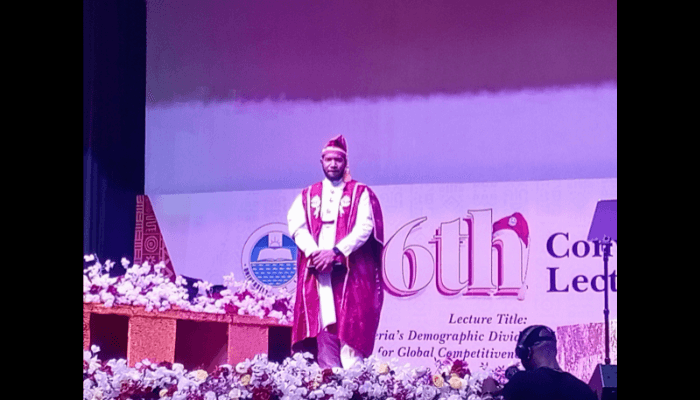
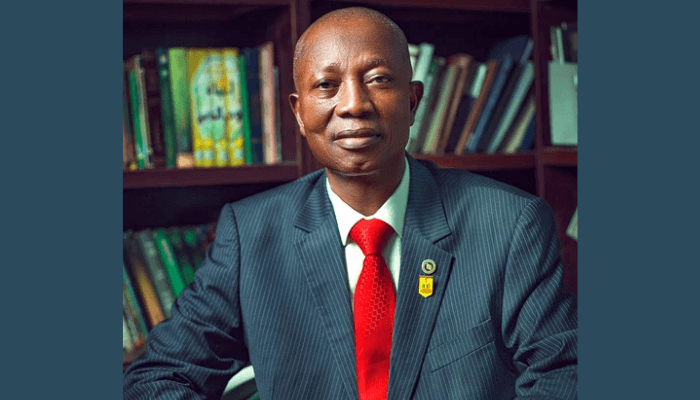
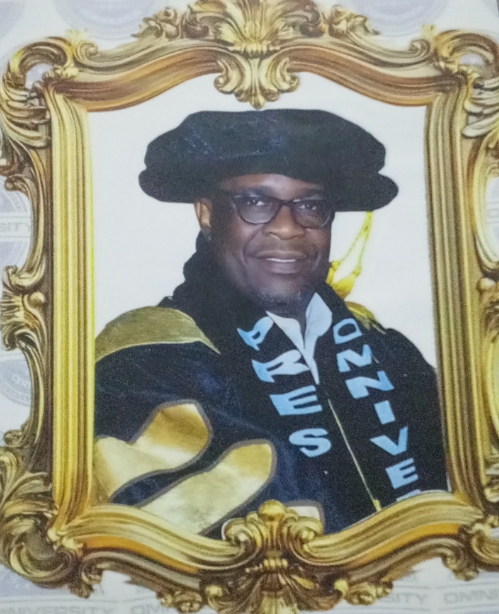
Tokunbo Akeredolu-Ale, president at Omniversity Imperial College, speaking during the institution’s 2025 African Education Innovation Workshop and ISO-Aligned Practice Qualifications Conferment, emphasised the college’s vision is driven by Africa’s need of a new way of doing things in order to develop the continent.
Akeredolu-Ale said Africa and indeed, the entire world is basically academic-based, but he stressed that most advanced countries did not develop merely by academics.

“We know that developed countries of the world today didn’t develop merely with the use of academics, research theories, and write-ups. These are good, but practice is better.
“In the world of artificial intelligence, people didn’t write theories, and theses, they created systems; tools that we use today. Such a person would be evaluated based on producing something,” he noted.
He said that Nigeria’s dynamic labour market requires an education system that produces competent, employable and adaptable graduates, which APEL, CBE and SR provide pathways to measure learning outcomes based on what individuals can do, not merely what they know.
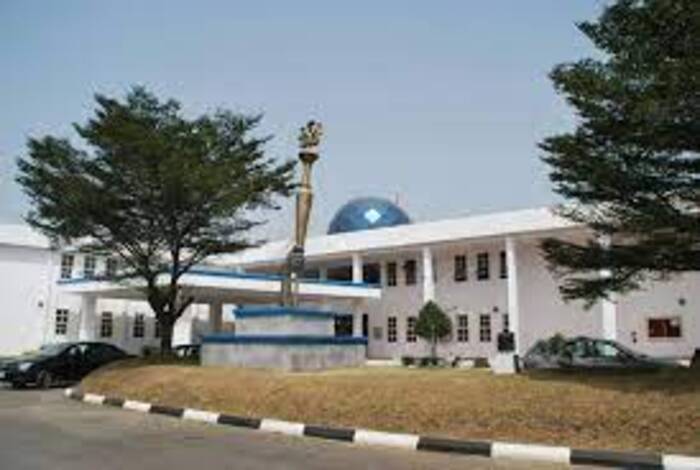
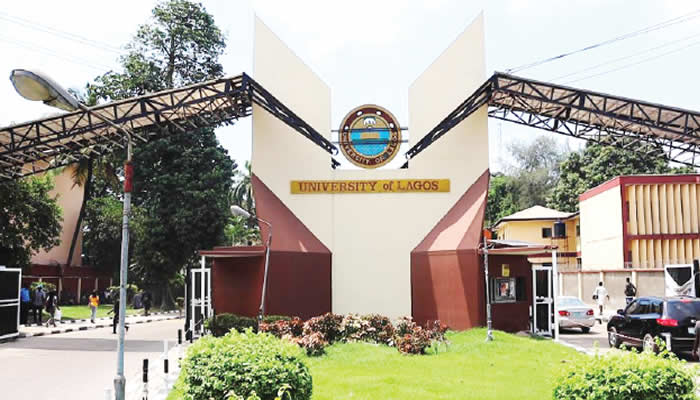
“It is with this that we were able to birth University Imperial College, Lagos, which has actually sought national validation by corporate memberships of relevant institutes that are in charge of statutory training, development, loan and risk management in Nigeria,” he said..
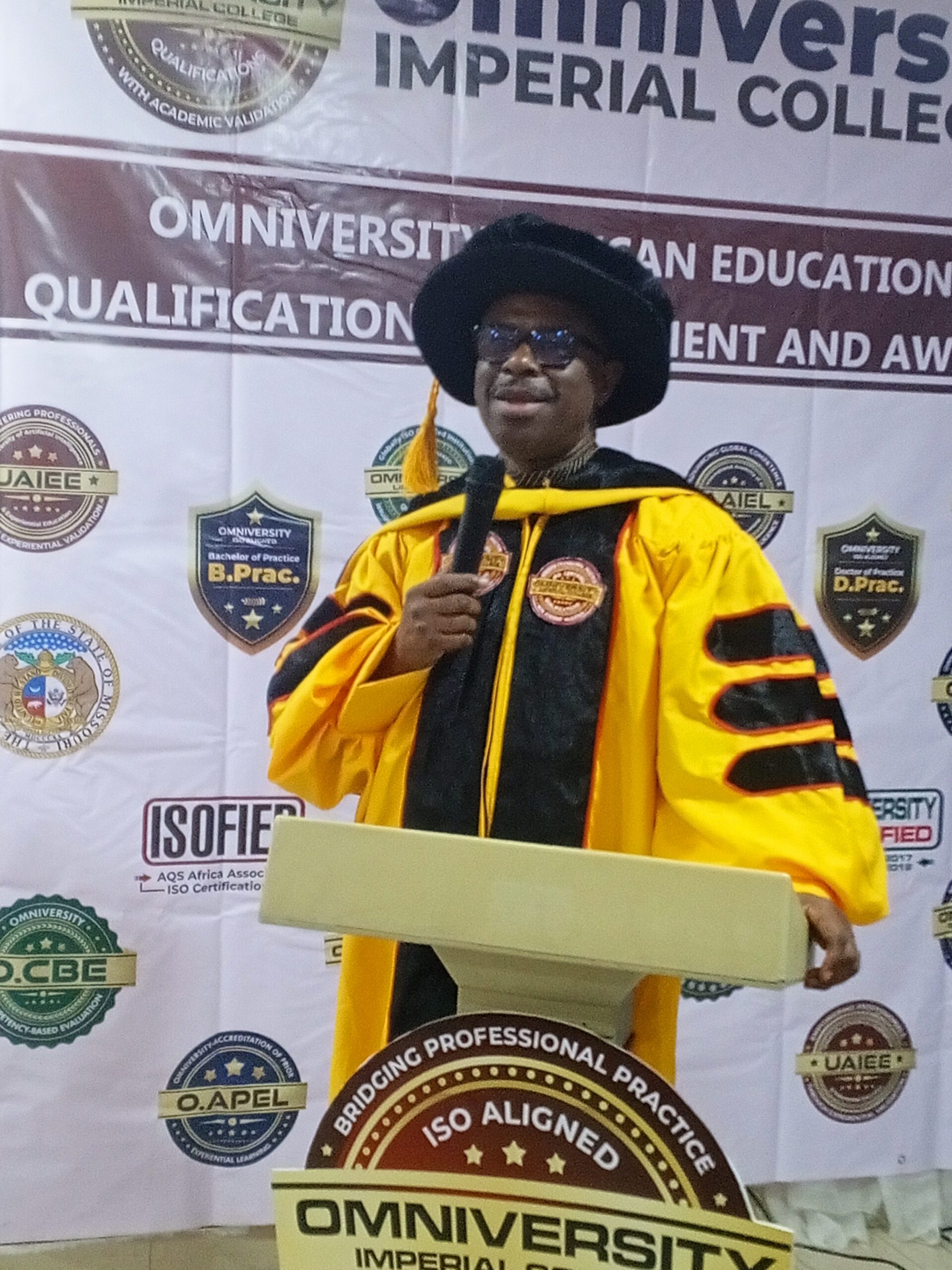

Francis Toromade, a professor of practice, speaking on the theme, ‘Revolutionalising Nigeria’s Education and Workforce Development: Integrating Accreditation Prior Experiential Learning, Competency-Based Evaluation and Skill Recognition-Based Practice Qualification into the National Education Qualification Framework’, disclosed that for anybody to be certificated, such a person must be educated, but not in all situations that those who are educated are certificated.
Toromade emphasised that to revolutionise Nigeria, and Africa as a whole, the problem is plain and brutal, which is “we reward time spent not competence demonstrated, and measure attendance, not ability.
“We produce graduates who know theory, while industries need people who can perform. This has created skills mismatch, unemployment, wasted talents and barriers in regional mobility.”
He stressed that Africa cannot afford to continue like this, but must embrace APEL’s model which, with evidence, recognises what individuals have learned through work and life experience; hence, the workplace becomes a classroom.
Besides, he said that competency-based evaluation was crucial, because it is not what people study but what they can do that matters.
“When this mechanism aligns with Nigeria’s national qualification framework and references Africa’s qualification framework, labour mobility rises across the continent.
“Besides, productivity would increase in Nigeria, the informal workforce becomes feasible, formalised and competence industrialisation begins,” he said.
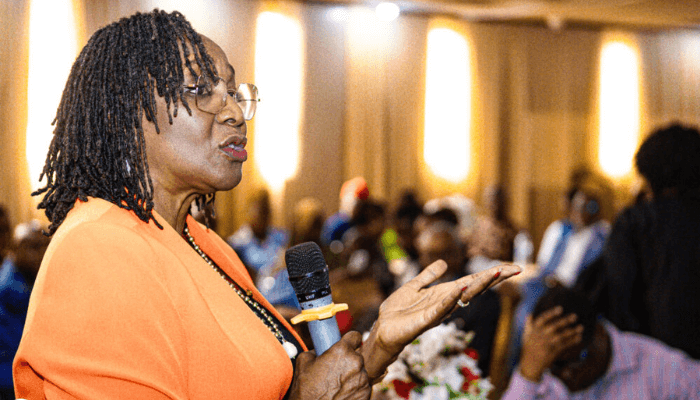
Olubunmi Ibidapo-Obe, director at Lagos State Student Support Services, Department of Ministry of Tertiary Education, applauded the workshop emphasising that Nigeria’s youth population which is projected to reach 250 million by 2050, presents both a challenge and an opportunity, hence the need for such a discuss.
She reiterated that more worrisome is that unemployment remains high, with many graduates lacking the skills industries demand amid traditional education systems which focus more on theory over practice, leaving a gap between learning and employability.
To scale this challenge, she said, “Nigeria must adopt the following approaches, accreditation of proud experiential learning, recognise knowledge gained through work, community service, and self-study. Shift focus from time spent in class to demonstrated skills. Assessments align with industry standards, ensuring learners are job-ready. Certify competencies through national bodies, making skills portable and valued across sectors.”
Ibidapo-Obe disclosed that the benefits of this integration are much such as increased employability, aligning education with market needs; and a lifelong learning culture.
She advocated that the government and private sectors should mobilise resources to revolutionise education in the country, because according to Nelson Mandela, she said, education is the most powerful weapon which we can use to change the world.
“It’s about empowering Nigerians with relevant skills to build a prosperous nation,” she said.
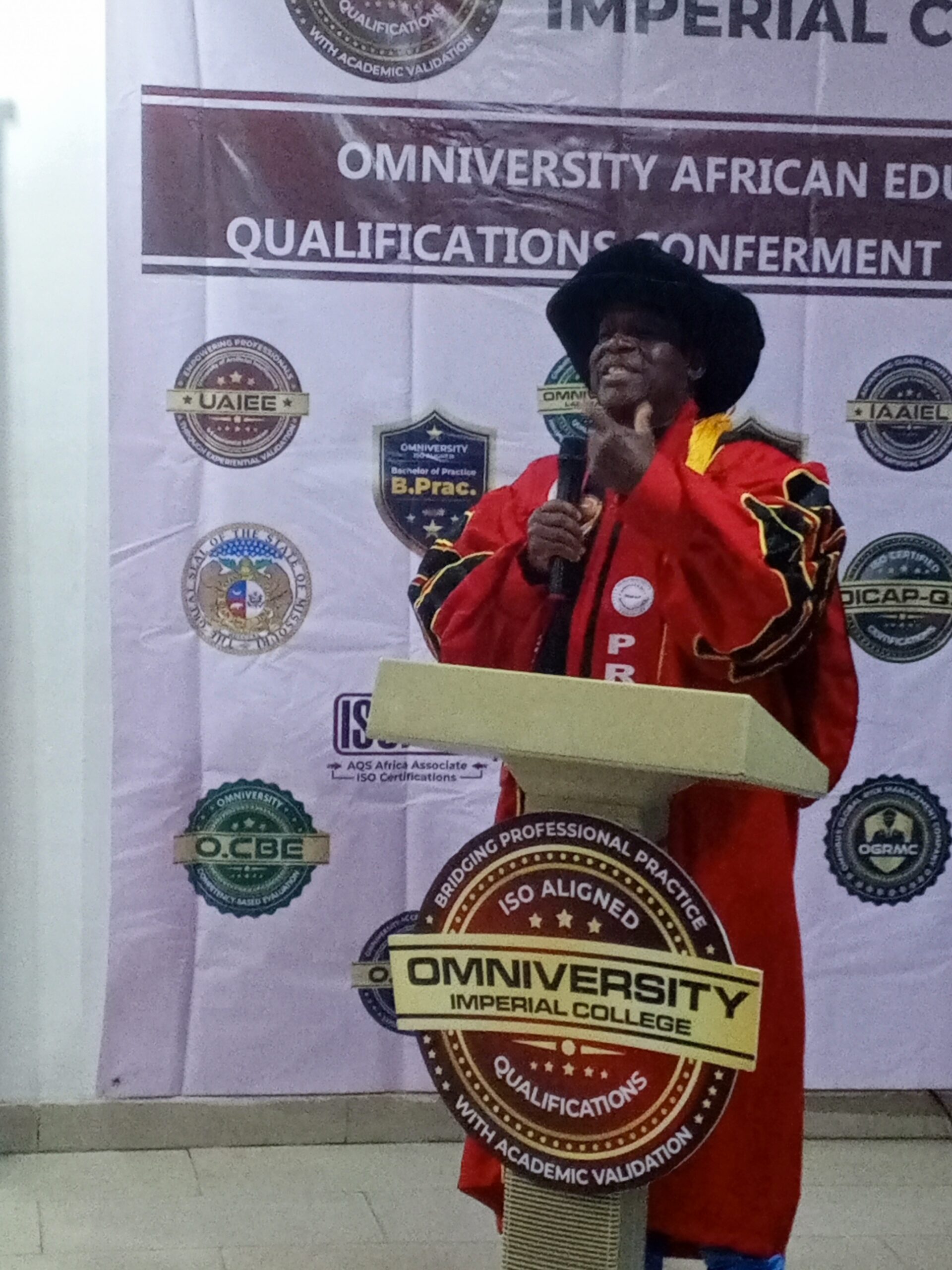
Dakuku Peterside, a former member of the House of Representatives, said Nigeria for the first time wants to align with the new trend in education or capacity building.
Peterside decried the fact that in today Nigeria, there is so much emphasis on classroom, which he said is dangerous.
“Anybody can cram and go and pour in an exam, and you have absolutely no knowledge and no capacity. What has changed is that the world is beginning to go back to that old system, where the emphasis is on practice, practice, and practice.
“Recall that in all Britain, you don’t need to go to any school to become a lawyer, to practice law. All that’s needed is to study under somebody who has practiced law for a long time, and the person certifies him competent to be a lawyer. That whole system was found useful, relevant, and solved the problem of the day,” he emphasised.
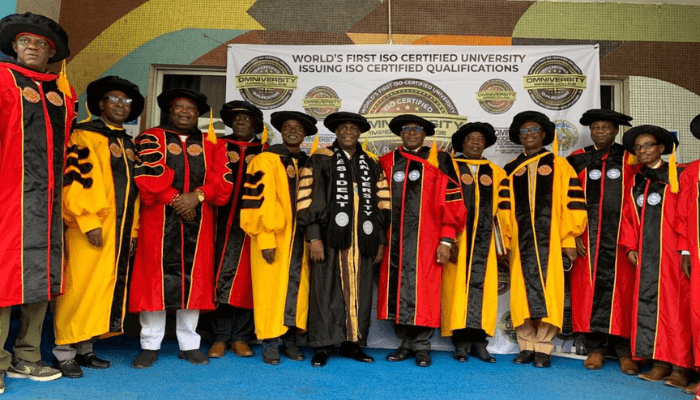
The workshop witnessed the conferment of honorary fellowship awards to 16 people, while seven people received their APEL evaluation and assessment.