Prices of bread, eggs, fish and chicken have been on an upward trajectory despite a decline in headline and food inflation across the country.
Food inflation has slowed to its lowest level in seven years and four months to 13.12 percent in October 2025, owing to bumper harvests and increased imports, bringing an unexpected respite for households. However, prices of some key staples have remained relatively high.
Data from the National Bureau of Statistics (NBS) on selected food prices show that a medium size loaf of bread sold for an average of N1,660 in September 2025, as against N1,528 sold in the same period of 2024, indicating an 8.6 percent rise year-on-year.
Read also: Food inflation drops to 13.12% in October on maize, garri prices

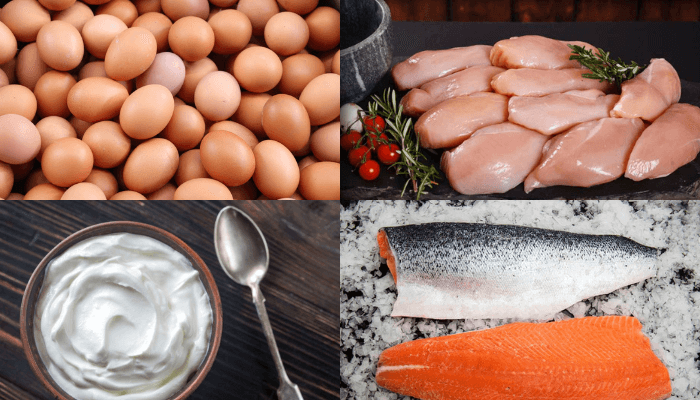
The average price of a crate of eggs rose to N5,897 in September 2025 from N5,620 in the same period in 2024, while a kilo of catfish rose to N5,974 in September from N4,060 in the same period of 2024, indicating a 4.9 and 47 percent surge, respectively.
Also, the average price of a kilo of frozen chicken now sells for N5,875 as against N5,759 in September 2024, a two percent increase in price.
Experts attribute the surge in these staples to rising energy and operating costs for bakers and frozen food sellers.
Jude Okafor, national secretary of the Association of Master Bakers and Caterers of Nigeria (AMBCN), in a Wednesday interview with BusinessDay, said bakers cannot afford to reduce the prices of bread as their energy and operating costs keep rising.
“The reduction in the prices of flour has been offset by the high cost of sugar and energy,” he explained, noting that the prices of a 50 kg bag of flour now sells between N60,000 and N63,000, depending on the location, as against over N80,000 sold last year.

He noted that the surging prices of sugar, packaging and energy costs have eroded the gains from the flour reduction.
Read also: The ESG advantage in agriculture and food security
“In Lagos and Kano, some bakers operate the jobbing system, where you lease a bakery to produce your bread because of high operating cost,” he said.
Despite prices of a metric ton of maize dropping by 45.5 percent this year, egg prices have remained firm across the country.
Dayo Gawati, chief executive, Fdot Farms, noted that prices of eggs have remained firm owing to the combination of two factors.
According to him, poultry farmers have operated at a loss for a long period of time before the continuous drop in the prices of maize – a key component in feed formulation.
He noted that the drop in the prices of poultry feed products, which have brought rare respite to farmers, have been offset with the high cost of day-old chicks for layers and broilers.
He added that the sector is yet to fully come out of the combination of issues it experienced in previous years that forced several farmers to shut down operations.
Read also: Food prices continue to crash in Plateau as buyers celebrate, traders count losses
Uchenna Uzor, a consumer expert, in response to questions, attributed the rise in the prices of bread, eggs and fish to their slow adjustments to market changes.
He explained that bread is one of the fastest selling products in the retail market and it is expected to slowly adjust to market changes owing to high demand.
He added that prices of chicken, eggs and fish are expected to surge owing to the increased festive demand, saying that Nigerians will experience respite in these commodities after the festive period.