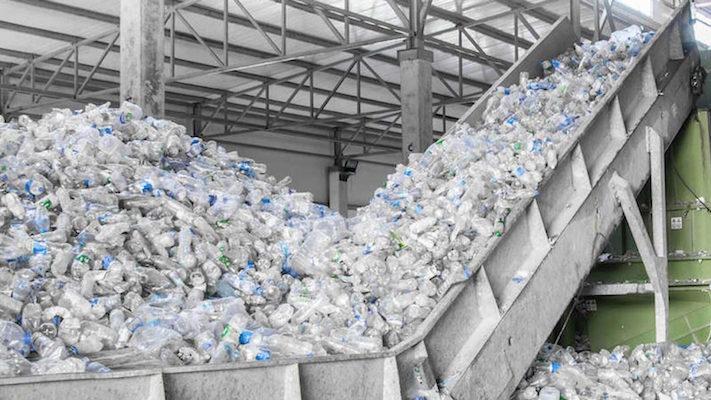
Across Nigeria, a quiet revolution is turning everyday waste into opportunity. For Switch Recycling, a subsidiary of Polysmart Group, discarded bottles and cans aren’t trash; they’re currency.
By exchanging plastic bottles and discarded cans for cash and digital value, the company is giving underserved communities a pathway to financial access and inclusion within the formal economy.
For many Nigerians, especially those in underserved communities, bank accounts are difficult to open, financial services feel distant, and mobility barriers make traditional banking unappealing.
Switch Recycling has turned these barriers into opportunities by building a system where anyone, whether a student, artisan, low-income earner, or small business owner, can earn and transact simply by exchanging recyclable materials.

The idea is simple: waste becomes money, and that money sits in a digital wallet that works just like a bank account. Every kilogram of PET bottles, paper cans, or plastics exchanged by Switch agents or in the company’s branches is paid for instantly into users’ wallets.
Read also: How FMDA is preparing financial markets for next growth phase
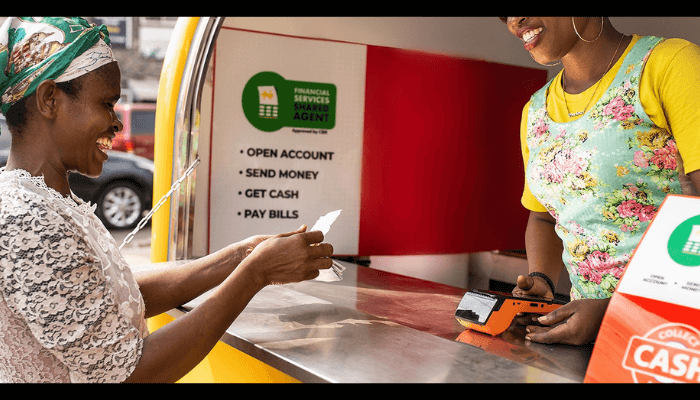
From these wallets, users can transfer funds, pay bills, recharge airtime, withdraw cash, or save for emergencies.
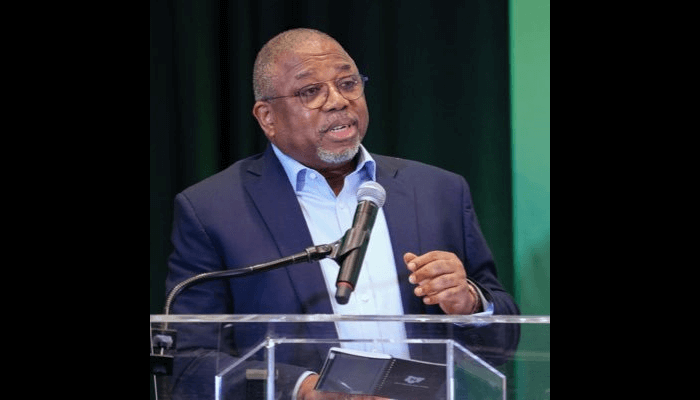
“People in communities where we operate use the app not only for recycling but also as a payments tool,” said Wasiu Abolaji Balogun, CEO of Switch Recycling.
“From the wallet, they can receive money from others, make transfers, and perform transactions in areas where there are no banks,” he said.

In settlements where ATMs are scarce and commercial banks are miles away, Switch’s model becomes a gateway to modern finance.
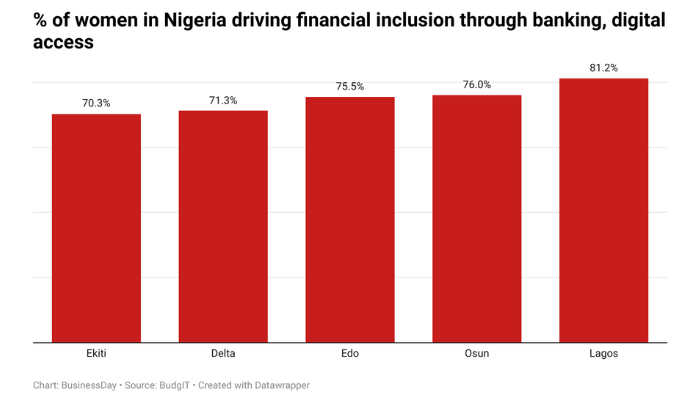
According to EFInA’s 2023 A2F survey, financial inclusion in Nigeria is 74 percent, while 26 percent of the population remains financially excluded. This marks an increase from 67 percent in 2020.
A digitised waste-to-wallet system that works across Nigeria
Switch began collecting recyclables in 2013 and formally launched its branch structure in 2019. Today, it operates 28 branches across eight states, including Lagos, Kano, Katsina, Sokoto, Kwara, Rivers, Enugu, and Edo, while preparing for an ambitious expansion to more than 200 branches within six months.
Each branch works with a web of agents embedded in streets and neighborhoods, forming a hyperlocal collection network. More than 3,000 agents already use the Switch mobile app to buy recyclables from households and resell them to the company.
Users like Victor Udo, who lives in Lagos, say this digital network has brought financial convenience closer to home than any bank has ever managed. “The onboarding was smooth, and the app is easy.”
He said. “I’ve been able to turn waste into a small but steady source of extra income. And I can cash out or pay bills straight from the app.”
For Micah, another user, the wallet is the real enabler. “I manage everything on my phone. It’s fast. It’s convenient. And I get to do something positive for the environment.”
Even those who do not actively transact still use the platform as a payout channel. Abbie, whose estate has a Switch collection point, said, “I just enjoy using the payout feature. It’s very fast and effective.”
For Switch, this is the goal: a system where recycling introduces people to digital wallets, where digital wallets lead to digital payments, and where digital payments slowly integrate underserved communities into Nigeria’s financial ecosystem.
Read also: Accion MfB opens Kaduna branch to strengthen financial Inclusion
A lifeline for low-income earners
At the core of Switch’s financial inclusion strategy is monetisation. Unlike other recycling initiatives that offered points or non-cash rewards, Switch pays real money.
The CEO said, “Users know exactly how much they will earn per kilogram of plastic or per kilogram of cans. Prices are displayed transparently on the app, tailored to users’ categories: household, agent, or corporate.”
“For many low-income earners, this is transformational. A kilogram of plastic can fund transportation. A few days’ collection can pay utility bills. Regular recycling can build savings. It is, in many ways, a micro-income stream built into daily life,” Balogun added.
Tomori Abdullateef, a geologist and plumber who found Switch on TikTok, uses his recycling earnings as a rainy-day fund. “I save the money I make from selling plastics.”
He said. “The wallet feature has been very helpful. The wallet democratizes access to financial tools that were previously out of reach. For those without formal identification or stable income, Switch becomes the first step toward financial credibility.”
Beyond cash: education, health, and charity through recyclables
Switch’s model extends beyond cash payments. The company operates four structured programs under its “monetise plastic and can recyclables” pillar: Plastic for Cash, Plastic for Education, Plastic for Health, and Plastic for Charity.
Through Plastic for Education, the partnership with the schools allows parents to pay school fees using recyclable materials. The school receives payments in advance from Switch, and parents repay gradually with plastic collected at home.
For plastic for health, the company partners with HMOs, allowing users to purchase basic health plans using recyclables instead of cash. With these innovations, Switch is tackling financial exclusion from multiple angles.
Plastic for Charity targets middle and upper-income earners who prefer to donate their recyclable value to causes they care about. This expands the platform’s impact beyond individual users into social ecosystems.
Breaking the cycle of informal waste scavenging
Before Switch’s model matured, Nigerian recycling was largely informal. Scavengers worked long hours on dumpsites, exposed to hazardous materials and unsafe environments, earning little and with no formal financial identity.
Switch’s agent program is designed to change this. As licensed agents, individuals can operate safely within their neighborhoods, buying from households and selling to the company at structured, transparent prices. Each agent goes through an onboarding process where they receive training and tools and get registered on the app.
Balogun, the company’s CEO, said, “For many, this turns informal labour into dignified micro-enterprise. The company stresses that the app also serves as a child-protection tool.
“Only adults with BVN or NIN can register as users or agents. This eliminates the common practice of children scavenging on dumpsites—a major public health issue,” he added.
Read also: Katsina to boost financial inclusion through microfinance bank licensing
Switch’s rapid expansion has also helped clean up Nigerian cities. Every kilogram collected by users and agents reduces the volume of plastic and packaging waste choking drainage channels, littering streets, and polluting waterways.
Last year alone, the CEO said the company paid over N3 billion to Nigerians for recyclable materials, proof of just how much value communities were throwing away before monetisation entered the system.
He estimates that this figure represents less than five percent of Nigeria’s actual recyclable waste, suggesting that the economic potential of recycling is far larger than most Nigerians realise.
What to expect going forward
Switch is already working on what could become Africa’s largest plastic recycling plant, a $60 million facility set to kick off within months. The company is also preparing to add 200 new branches, a move that will multiply collection points, expand agent networks, and deepen financial penetration nationwide.
“With every new branch, more communities gain access to digital wallets, micro-earnings, mobile payments, and environmental education. These expansions position Switch not just as a recycling business but as a nationwide financial inclusion infrastructure,” the CEO stated.