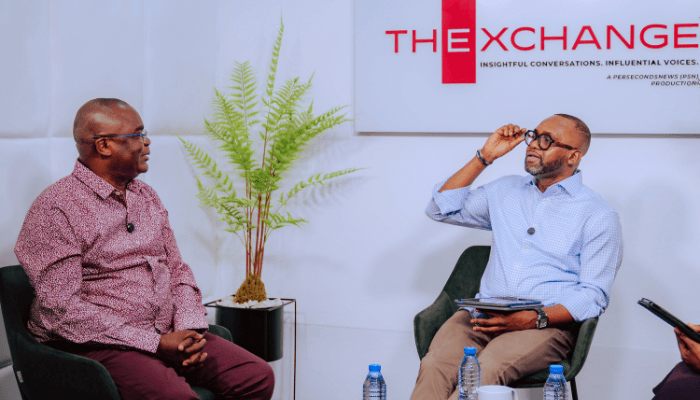
The Nigerian Railway Corporation (NRC) is spearheading a “freight by rail revolution” aimed at drastically reducing the cost of logistics, which is a major driver of inflation in Africa’s largest economy. The Managing Director, Kayode Opeifa, made the disclosure on The Exchange Podcast, hosted by Femi Soneye.
Opeifa argued that while the recent downward trend in inflation is being celebrated, the contribution of the rail sector is being overlooked. He directed attention to data from the National Bureau of Statistics (NBS), which showed a 37percent growth in the rail sector last year.
“Rail is a major contributor, one of the top 10 contributors to Nigeria’s GDP growth in the last two to three quarters,” Opeifa stated. This economic impact, he believes, is directly tied to the increased movement of goods by rail, which is cheaper, more efficient, and more reliable than road transport.
Read also: FG unveils plan for nationwide railway connectivity

The NRC’s strategy involves ensuring that at least 80percent of its focus and revenue generation comes from freight operations. This strategic pivot is designed to systematically remove heavy trucks from the roads, thereby reducing pressure on road infrastructure, cutting maintenance costs, and lowering the cost of goods.
When the cost of moving food and other essential commodities from farms and factories to markets drops, the savings are eventually passed on to consumers, helping to curb inflation. Opeifa positioned the rail sector as a critical, though unheralded, weapon in the government’s battle against rising prices.
The corporation’s Track Access Programme is the engine of this revolution. By enabling 38 private logistics companies to move freight on the national network, the NRC has significantly increased the volume of goods transported by rail.
This initiative is also attracting investments in complementary infrastructure, such as freight yards, which are essential for efficient loading, unloading, and storage of goods, further streamlining the supply chain.
Opeifa’s vision extends beyond current operations. The planned National Rail Master Plan, which aims to connect all states, is fundamentally an economic plan designed to integrate markets, facilitate trade, and create a truly national economy.

Read also: NRC licenses CCECC to operate freight on Lagos-Ibadan Rail
The focus on freight also makes commercial sense for the corporation. Freight operations typically generate higher and more stable revenues than passenger services, providing the NRC with a more sustainable income stream to fund its operations and maintenance.
The “freight by rail revolution” represents a back-to-basics approach. The original railways in Nigeria were built for freight—to move cotton, groundnut, and coal. Opeifa is steering the corporation back to this core economic mission.
The success of this initiative is therefore not just a transport metric but a key economic indicator. A thriving rail freight sector is a prerequisite for Nigeria’s industrialisation and its ambition to achieve sustainable economic growth and price stability.