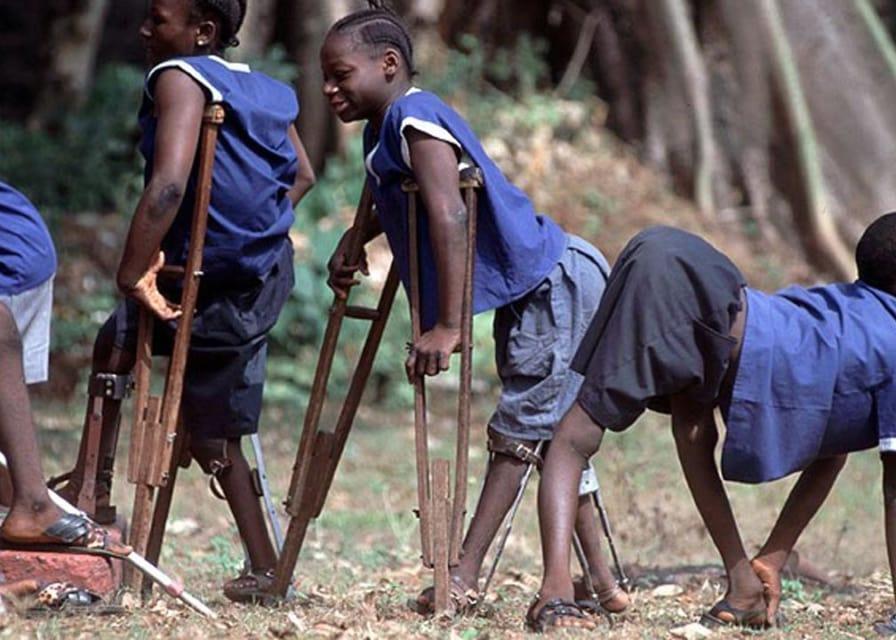
The United Nations Children’s Fund (UNICEF) has declared that a polio-free Africa is within reach but warns that decades of progress could be reversed without a final, concentrated surge in effort and funding.
UNICEF gave the warning while briefing newsmen today in Kaduna as part of the #PolioStopsWithME campaign, emphasizing that the last steps toward eradication are the most challenging and require unwavering commitment.
Ibrahim Mohammed, Social & Behavior Change Specialist at the UNICEF Kaduna Field Office, stressed that now is not the time to step back, as complacency risks a devastating resurgence of the virus, particularly in vulnerable communities with low immunity.
“The cost of inaction is far greater than the cost of finishing the job,” the agency stated, highlighting that pausing or scaling back efforts could undo years of work and leave children at risk of paralysis and death.

Despite a notable decline in cases since 2023, driven by strong national leadership and global support, progress remains precarious. Outbreaks of the poliovirus continue to threaten hard-won gains, leaving millions of children vulnerable. This risk is exacerbated by the failure to reach all children, especially those in remote, underserved, and conflict-affected areas.
To secure a polio-free future, UNICEF is issuing an urgent call to action, demanding that governments place eradication at the forefront of national health priorities. Key demands include mobilizing sustainable domestic and international financing, revitalizing primary health care systems, and accelerating the integration of polio vaccines with broader immunization and nutrition services.
Central to the fight are safe and effective polio vaccines, described as the “strongest defense against paralysis and death.” High-quality vaccination campaigns and strong routine immunization systems not only protect children from polio but also strengthen overall health systems and shield communities from other preventable diseases. The fight is hampered by significant hurdles, including the need to reach “zero-dose children” and combat vaccine hesitancy.
UNICEF emphasizes that identifying and stopping rumours and misinformation is essential and calls for engaging communities and local leaders to build lasting vaccine confidence.
The agency also highlights the powerful role of children and youth, who are not just beneficiaries but crucial advocates for a polio-free future. Their voices, it argues, must be heard in shaping health campaigns and holding leaders accountable for their right to grow up free from polio.

The path to a polio-free world is clear, but it demands a final, collective push. With continued political will, adequate funding, and relentless community engagement, the goal is achievable. As UNICEF’s call to action makes clear, ensuring that no child ever again suffers from this preventable disease is a legacy within reach, but only if momentum is sustained to the very end.
Also, in a presentation by UNICEF, the campaign titled “Key Messages to Address Non-Compliance Due to Economic Hardship” reframes vaccination not as an expense but as a crucial financial safeguard for families. The core message is that while times are tough, the cost of preventing a disease is far lower than the cost of treating it.
Read also: UNICEF urges state govts to take ownership of its interventions
“Times may be hard economically for families right now, but not vaccinating our children will cause even more economic hardship,” states one of the campaign bulletins. It highlights that the “burden of care will increase for families” if a child contracts a preventable disease like polio.
The materials make a stark comparison between temporary financial challenges and the permanent consequences of disease. “Economic hardship may last for a short while, but the effect of polio is lifelong,” one message reads, adding, “Economic hardship may change, but a child with polio will not.”
The campaign encourages parents to see vaccination as a wise economic choice. “Protecting our children against polio and other vaccine-preventable diseases saves us money that would otherwise be spent on medical bills,” one message asserts. It concludes with a simple, powerful reminder: “It is easier to deal with economic hardship with a healthy family.”
The overarching plea from health officials is for parents to prioritize their children’s long-term well-being above all. “No matter the hardship, your child’s health and well-being come first,” the campaign states, urging families to act.