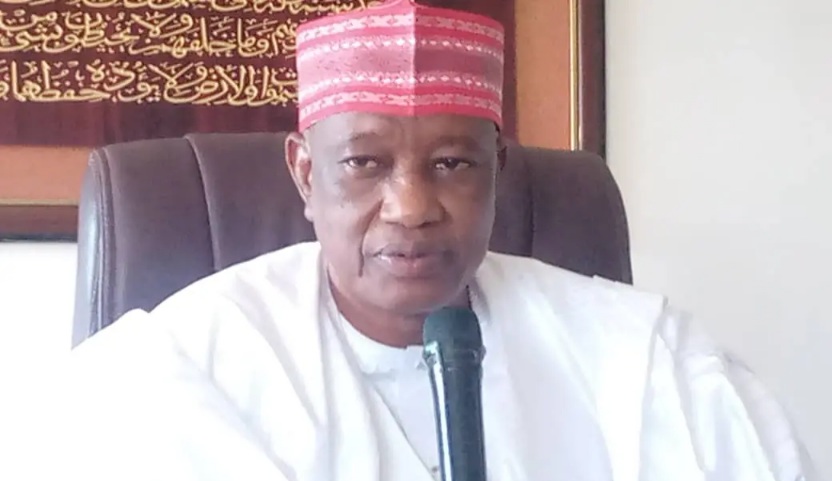
Aminu Abdussalam Gwarzo, deputy governor of Kano State, has called on the Nigerian media to assume a frontline role in safeguarding the country’s stability, warning that the nation is experiencing one of its most challenging security moments.
Receiving members of the Nigeria Union of Journalists (NUJ) Correspondents’ Chapel in his office on Tuesday, Gwarzo said the country’s survival increasingly depends on the vigilance and consistency of the media in spotlighting issues that demand urgent government attention.
“The media must wake up to be more vigilant and dedicated in appraising the nation’s challenges,” he said. “Nigeria is facing huge problems, and journalists must do more to draw the attention of authorities to mounting insecurity.”
The deputy governor noted with concern that criminal groups — including bandits — now deploy sophisticated technology to execute attacks, while government responses remain slow and underpowered.

“Other nations use technology to tackle their security problems. We don’t understand why our government is not doing the same,” he said. “Bandits have become highly tech-savvy, yet government agencies are not matching that pace. The media should pressure them to wake up to these challenges.”
He added that fear has become a national reality, with citizens uncertain of safe travels or what might happen next. In such a climate, he said, the press must act as a watchdog and moral.
Gwarzo also revealed that some border communities in some of the states, surrounding Kano have been coerced into informal understandings with bandits, who instruct villagers not to report their movements — a situation he described as dangerous and unacceptable.
Read also: Kano govt approves N19bn for key projects across sectors
“This gives room for attacks on the soil of Kano,” he warned. “It is our collective responsibility to rise and address these challenges, and the media is central to this effort.”

Earlier, Murtala Adewale, Chairman of the Correspondents Chapel, pledged to sustain a strong and professional working relationship with the state government, emphasising that collaboration — not compromise — is essential for public-interest journalism.
Gwarzo commended the chapel for maintaining constructive engagement, noting that responsible journalism remains vital to building safer communities and a more accountable government.