…Secures 10,000+ orders for locally designed EVs
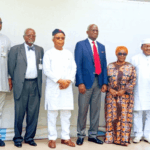
Pan-African Electric Vehicle (EV) company, Kemet Automotive, has announced a strategic partnership with the Africa Design School (ADS) in Cotonou, Benin, marking a major step in its plan to cultivate the next generation of African mobility innovators.
The collaboration comes as the company prepares for production after securing more than 10,000 pre-orders for its first line of locally designed electric vehicles.
Kemet Automotive, co-founded by Nissi Ogulu, is positioning itself as one of the continent’s first globally competitive EV manufacturers. Its new partnership with ADS aims to build a talent pipeline that will power Africa’s long-term participation in the global automotive industry. The initiative will train emerging designers and engineers, create new career pathways in mobility and technology, and strengthen Africa’s design capabilities rooted in its identity and culture.

Read also: Stanbic IBTC, LOXEA BYD partner to boost electric vehicle adoption in Nigeria
Ogulu said Kemet’s mission goes beyond building electric vehicles, noting that, “Kemet is building vehicles that inspire pride and deliver real performance. We want Africans to see that world-class innovation can come from here and lead globally.”
The company’s design philosophy, known as Functional Sculpting, blends durability, emotional resonance, and timeless form. Vehicles are engineered specifically for Africa’s varied terrains while reflecting the continent’s aspirations and cultural aesthetics.
With Africa projected to hit 1.4 billion urban residents by 2050, demand for sustainable, reliable, and affordable mobility will expand sharply. Kemet’s leadership says the company is positioning itself early to serve that market. The 10,000+ pre-orders already secured from customers across the continent reflect rising consumer confidence in Africa-built technology and growing interest in clean energy transportation.
Beyond design and manufacturing, the Kemet–ADS partnership seeks to reduce Africa’s dependence on imported vehicles and retain value within the continent. By training young talent and enabling local production, Kemet hopes to drive industrialisation, create thousands of jobs, and strengthen supply chains. The effort also aligns with the continent’s wider shift toward sustainability as nations adopt frameworks to reduce carbon emissions and embrace green mobility.

As the company moves closer to full-scale production, it is engaging investors and partners aligned with its long-term vision for clean, connected African mobility. Kemet says its locally inspired, locally engineered model is a demonstration of what is possible when Africa builds for itself and prepares its youth to shape the next frontier of global automotive innovation.