Lagos, Nigeria’s richest state, has proposed expenditure of N4.237 trillion for the 2026 fiscal year, the highest ever since the State’s creation in 1967.
The N4.237 trillion proposal represents an increase of 28% over the N3.3 trillion budget in 2025.
The state budgeted N1.1 trillion in 2021; N1.75 trillion in 2022; N1.76 trillion in 2023 and N2.26 trillion in 2024.
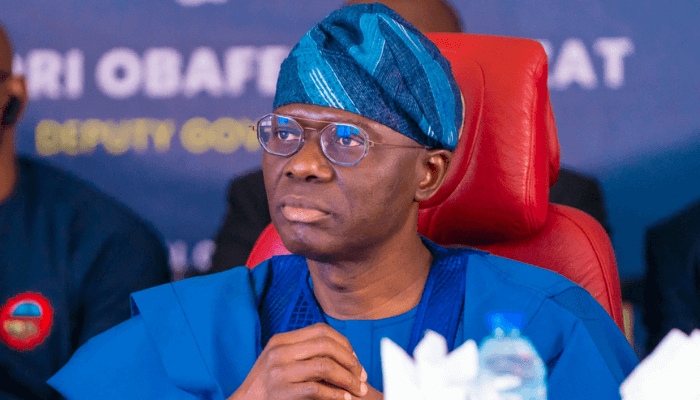
Governor Babajide Sanwo-Olu presented the budget to the State 40-member House of Assembly presided over by Mudashiru Obasa, the Speaker, on Tuesday, saying it was packaged to promote prosperity and build a Lagos that works for all.

“Our mission remains clear: to eradicate poverty and build a Lagos that works for all”. He noted that the proposal tagged According to Sanwo-Olu, the proposal tagged “Budget of Shared Prosperity” was anchored on four strategic pillars, which include a human-centred approach, modern infrastructure, a thriving economy, and good governance.
According to him, the budget is a reaffirmation of the administration’s collective belief that Lagos can continue to rise. He told the lawmakers that the proposed expenditure would consolidate on Lagos’ existing development foundations and complete ongoing projects.
The State’s 2026 budget shows N2.185 trillion proposed as Capital Expenditure and N2.052 trillion as Recurrent Expenditure. A further breakdown of the proposed expenditure shows N698.89 billion proposed as overheads, N201.22 billion as subventions, N184.14 billion as dedicated expenditure, N440.49 personnel costs, N143.88 billion as recurrent debt charges, and N383 billion for debt repayment.
On the revenue side, Sanwo-Olu proposed N3.120 trillion in Internally Generated Revenue (IGR), N874 billion in Federal Transfer, and N243.33 billion in deficit financing.
“In 2026, we will accelerate economic growth by strengthening MSMEs, encouraging circular economy initiatives, empowering startups, and advancing innovation across sectors.

“We will expand support to agribusiness, manufacturing, technology, creative industries, and tourism — driving job creation and boosting competitiveness. Our aim is to fast-track the transformation of Lagos into an engine of opportunity and a global hub for innovation, trade, and enterprise, Sanwo-Olu said.
He further noted that good governance was the backbone of development, and that his administration would deepen its fiscal reforms, expand e-governance, advance automation of fiscal systems, and enhance transparency across
MDAs, while security and emergency readiness will remain top priorities, supported by stronger coordination and investments.
“We will continue to strengthen citizen engagement to build trust and ensure that Lagosians remain at the centre of governance,” he added.