In a sector often defined by high stakes, capital intensity, and technological complexity, indigenous players in Nigeria’s oil and gas industry are steadily carving a niche for themselves. Starfix Geosolutions, a four-year-old homegrown company specialising in geomatics, geophysics, and geotechnical services, has emerged as a key link between subsurface exploration and surface production operations.
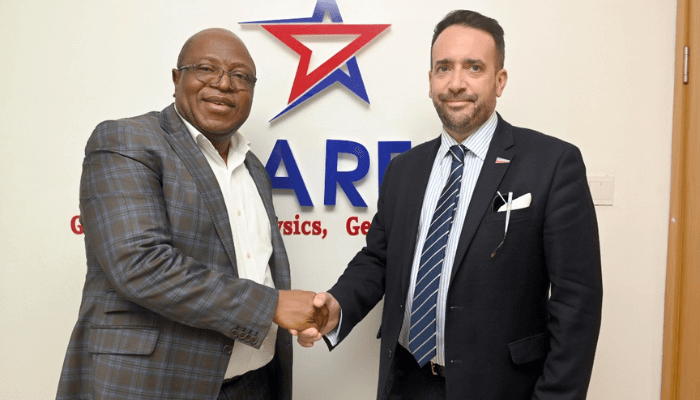
Recently, Starfix entered a strategic partnership with GEOxyz, a leading European offshore services provider with state-of-the-art vessels, advanced technologies, and extensive global experience.
In this exclusive interview, Bankole Falaye, Starfix CEO, and Craig Davis, commercial director at GEOxyz, share insights into the rationale behind the partnership, its potential impact on Nigeria’s offshore oil production and local content development. Dipo Oladehinde brings excerpts:
Congratulations on the new partnership with GEOxyz. Can you tell us what this relationship means for Starfix Geosolutions?

This partnership is a major milestone for Starfix. Essentially, it gives us access to international-grade technology, modern vessels, and expertise while allowing us to maintain our local operations in Nigeria. Starfix has always focused on de-risking oil and gas projects through geomatics, geophysics, and geotechnical services. This collaboration brings a global standard to our capabilities, enabling us to support exploration, appraisal, production, development, and decommissioning in ways that were previously beyond the reach of a local company.
How did this partnership come about?
About a year ago, we began exploring options to expand our capacity. Nigeria’s oil sector is growing, with production targets increasing, yet local capacity for offshore operations is limited. We needed a partner who shared our values, had the technical capacity, and was willing to collaborate deeply with a Nigerian company. GEOxyz, with its modern fleets and experience in Europe and Namibia, was the perfect fit. After months of discussions and due diligence, we signed an MOU in September.
Why GEOxyz?
GEOxyz is a leader in Europe with a fleet of modern vessels and cutting-edge technology, including proprietary USBs and data processing systems. Their expertise in geotechnical and geophysical operations is unmatched. More importantly, they share our vision of developing local capacity and providing Nigerians with international-level training. Their arrival in Nigeria is not just about bringing assets; it’s about knowledge transfer and elevating our industry.

What specific areas will the two companies collaborate on?
The partnership covers a full range of services from positioning, site characterisation, geophysical and geotechnical surveys to data acquisition and processing. Our combined teams will support exploration, appraisal, production, and eventually decommissioning projects. This is not just about executing projects; it’s about ensuring that decisions in oil and gas projects are based on high-quality data, which directly reduces risk and cost.
How will this partnership impact Nigeria’s offshore and energy industries?
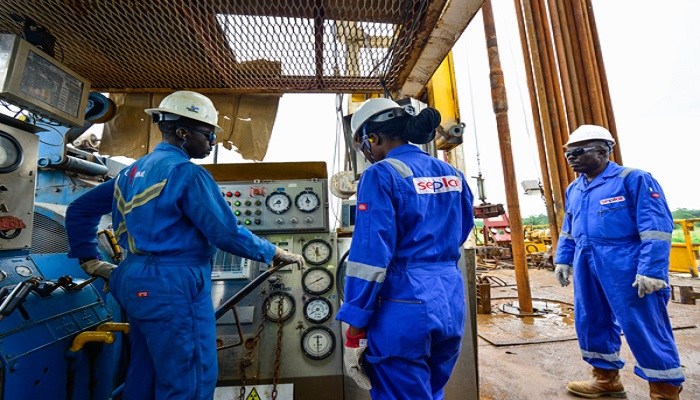
It addresses a major gap in local capacity. Currently, Nigeria lacks modern geotechnical and geophysical vessels. Operators often spend weeks or millions of dollars just mobilising assets from Europe. With this partnership, we can bring those capabilities to Nigeria, reducing both time and cost while improving the quality of data. This will support the government’s ambitions to increase production, potentially from 1.7 million barrels per day to over 3 million. Ultimately, this is about improving decision-making, reducing risk, and growing local capability.
You mentioned local capacity. How does this collaboration contribute to skills transfer?
This is one of the most exciting aspects. Nigerian youth are extremely talented but often demoralised due to a lack of opportunity. Through this partnership, they will work alongside international experts, gaining hands-on experience with state-of-the-art technology. We see this as creating “eagles” who can soar in their careers globally. The exposure and training will equip them to become global professionals, elevating the entire industry.
What does success look like for Starfix and GEOxyz one year from now?
Year one success is about demonstrating capability, delivering our first projects successfully, training Nigerian staff, and embedding international best practices. For GEOxyz, success also means establishing a sustainable presence in Nigeria and helping to grow local expertise. If we can achieve that, the next years will see exponential growth, both in size and reputation, and a lasting impact on Nigeria’s oil and gas sector.
How will this partnership affect Nigeria’s oil and gas industry, especially in the context of local content?
Local content isn’t just about having Nigerian names on a payroll. It’s about integrating international expertise with local knowledge, building real skills, and leaving a lasting capacity behind. This partnership is a blueprint for how local content should work, bringing international capability to Nigeria while nurturing local talent.
Starfix Geosolutions has become one of the notable indigenous players in Nigeria’s oil and gas service space. How would you describe the company’s journey so far?
Starfix started four years ago with just four founders, myself Bankole Falaye, Razak Olambiwonu and Yemi Solar. Most of us had worked with Shell, gaining exposure globally. On returning to Nigeria, we noticed the absence of capable local companies in the offshore oil sector. So we decided to fill that gap, creating opportunities for young Nigerians while delivering international standards. Today, we have grown from a small team to 30 staff and are continually expanding.
Offshore operations are capital-intensive and technically demanding. What challenges do indigenous companies like Starfix face?
The challenges are primarily access to capital and logistics. Offshore projects require multimillion-dollar equipment and vessels. Mobilising a vessel from Europe to Nigeria can cost over $5 million, just to get it to the operational site. Banks are hesitant to finance these operations, and project payments often have long lead times. Regulatory inefficiencies and infrastructure bottlenecks further complicate operations. We are forced to be creative while maintaining high standards.
How has the Petroleum Industry Act (PIA) impacted your operations and the sector?
The PIA has provided a clearer framework for oil and gas operations, especially in terms of revenue sharing and roles. However, its effect on local service providers is indirect. The real impact will come as ease of doing business improves, allowing us to take advantage of more opportunities, particularly offshore.
What laws or regulations would you like to see to further strengthen the oil & gas sector in the country?
We need policies that support capital access for serious businesses, streamline offshore operations, and reduce delays in logistics and vessel mobilisation. Also, the enforcement of international standards locally would greatly enhance operational efficiency and competitiveness.
The global energy industry is shifting toward renewables and decarbonization. How is Starfix adapting to this transition?
While renewables are important, the energy transition is a gradual process. Oil and gas remain critical for energy access, industrial use, and manufacturing. Starfix continues to focus on providing efficient, de-risked hydrocarbon services while exploring complementary opportunities in offshore renewables where possible. The goal is to support both the current energy landscape and the transition over time.
Beyond technology and partnerships, what drives your leadership philosophy at Starfix?
It’s about creating opportunities and nurturing talent. We focus on identifying potential in young Nigerians and providing them with both local and international training. Leadership is about enabling others to excel, building credibility, and setting high standards for both performance and integrity.
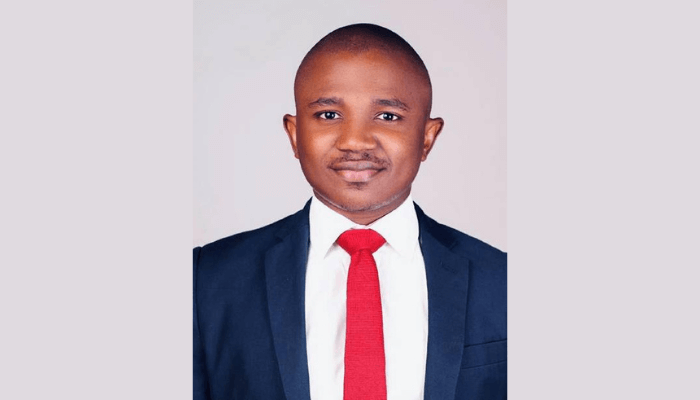
Craig Davis, commercial director at GEOxyz
GEOxyz: International Expertise Meets Local Insight
Craig Davis, can you give us an overview of GEOxyz and why you chose to partner with Starfix?
GEOxyz is one of Europe’s leading offshore inspection and geophysical service companies, with 30 vessels and offices across Belgium, Poland, UK, France, Spain, Netherlands, and Portugal. We are in a growth phase, both geographically and in size. Nigeria offers huge potential, and Starfix is ideally positioned as a local partner with deep industry knowledge and strong networks. The MOU represents a long-term commitment to bringing international standards and technology to Nigeria.
How long did it take to arrive at this partnership, and what opportunities are you looking at in Nigeria?
Discussions started about a year ago. We shortlisted several potential partners, and after in-depth discussions, Starfix emerged as the most aligned in terms of values, vision, and local knowledge. The opportunities are significant, Nigeria is poised for an offshore production surge, and with our combined capabilities, we aim to support exploration, de-risking, and project execution efficiently while building local capacity.
How do you see energy transition impacting your operations?
Oil and gas remain integral to energy access and industrial growth, especially in Africa. We also have experience in offshore renewables in Europe, which complements our core business. Our priority is to provide cost-effective, high-quality solutions while supporting Nigeria’s energy needs during the transition.
Any final thoughts on the partnership’s impact for Nigeria?
Beyond project execution, this partnership is about people. It will raise the standard of local professionals, provide international exposure, and ultimately create a sustainable, high-quality service ecosystem in Nigeria. It’s a win for Starfix, GEOxyz, and the Nigerian oil and gas industry at large.