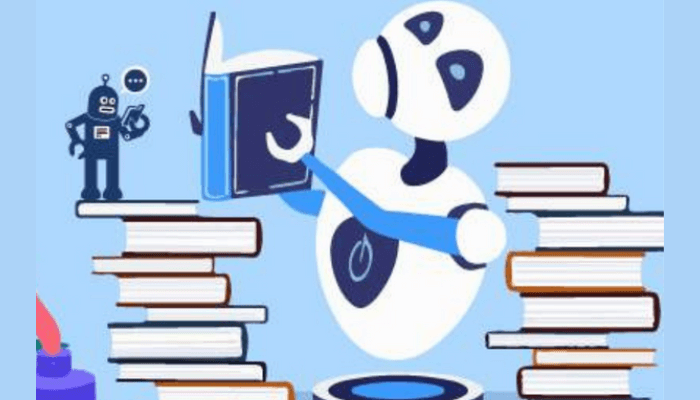
In recent years, the integration of artificial intelligence (AI) into education has reshaped how students learn and teachers instruct, particularly in science disciplines such as biology. Adaptive learning strategies, powered by AI-driven platforms, have emerged as transformative tools for personalising education and improving learning outcomes. These systems utilise algorithms to assess individual student performance, identify learning gaps, and adjust instructional materials in real time. This approach contrasts with the traditional “one-size-fits-all” method of teaching, offering customised pathways that meet the needs of diverse learners in biology classrooms.
Biology education often involves complex concepts, ranging from cellular processes to ecological interactions, which can be challenging for students to master at a uniform pace. Adaptive learning platforms address these challenges by providing targeted feedback and scaffolding that support students’ conceptual understanding. For example, AI systems can analyse student responses to quizzes and automatically present additional resources, videos, simulations, or practice questions when a student struggles with topics such as photosynthesis or genetics. This responsive system promotes mastery learning, ensuring that students develop a foundational understanding before progressing to more advanced material.
Furthermore, AI-driven platforms foster engagement through interactive and immersive experiences that traditional textbooks cannot provide. Virtual laboratories, intelligent tutoring systems, and augmented reality (AR) tools allow students to explore biological phenomena dynamically and safely. For instance, platforms such as Labster or Cognii simulate experiments that would otherwise require costly equipment or involve ethical limitations. These technologies enable students to visualise complex biological systems, test hypotheses, and receive instant feedback, all of which enhance inquiry-based learning and scientific reasoning skills.
From an instructional perspective, adaptive AI systems also empower educators with actionable insights into student progress and learning behaviors. Through learning analytics dashboards, teachers can track student performance, identify misconceptions, and adjust their teaching strategies accordingly. Instead of spending excessive time grading or analysing assessment data manually, educators can use AI-generated reports to focus on intervention and enrichment. This data-informed approach aligns with principles of differentiated instruction and supports more equitable teaching practices by ensuring that no student is overlooked.

AI-driven adaptive learning systems also contribute significantly to improving student well-being and retention, two critical aspects of modern education. Traditional models often place students under pressure to keep pace with standardised timelines, which can lead to stress, disengagement, and eventual dropout. Adaptive learning, however, promotes psychological safety by meeting students where they are, allowing them to progress at their own pace without stigma. By providing timely support, personalised feedback, and encouraging micro-successes, these systems help build confidence and resilience among learners. Moreover, AI-based monitoring tools can identify behavioural or performance indicators that suggest burnout or disengagement, enabling early intervention by instructors or counsellors. When students feel supported and valued through responsive learning environments, their motivation, persistence, and overall academic satisfaction increase, leading to higher retention and better long-term well-being in demanding disciplines like biology.
Equally important is the role of AI in promoting diversity, equity, and access in STEM education, particularly in biology, where representation gaps persist. Historically, marginalised groups, including students from low-income backgrounds, racial and ethnic minorities, and women, have faced barriers to entry and advancement in STEM fields. AI-driven adaptive platforms can help bridge these gaps by offering equitable learning opportunities that adjust to individual learning needs and circumstances. For example, students who lack prior exposure to laboratory experiences or advanced coursework can receive foundational support through AI-guided modules before tackling more complex content. Additionally, digital platforms can mitigate geographic and financial barriers, granting access to high-quality resources to students in underserved areas. However, to ensure that these benefits reach all learners, developers and institutions must design AI systems that are culturally responsive, linguistically inclusive, and free of algorithmic bias. When implemented thoughtfully, adaptive learning can serve as a catalyst for greater equity and representation in STEM education.
Despite these benefits, the adoption of AI-driven adaptive learning systems in biology education presents certain challenges. Concerns about data privacy, algorithmic bias, and over-reliance on technology must be addressed to maintain ethical and effective use. Additionally, not all schools have equitable access to the infrastructure required for implementing AI tools, creating disparities in educational opportunities. Teachers must also receive adequate professional development to integrate these technologies effectively into curriculum design and instruction. Therefore, while AI enhances personalisation and efficiency, its implementation must be balanced with human oversight and pedagogical intentionality.
Adaptive learning strategies and AI-driven platforms represent a powerful shift toward more personalised, data-informed, and engaging biology education. By leveraging AI to tailor learning experiences, provide immediate feedback, and visualise abstract biological concepts, educators can foster deeper understanding and sustained motivation among students. However, the success of these innovations depends on thoughtful integration, ethical considerations, and ongoing research to ensure that technology truly supports human learning rather than replacing it. As AI continues to evolve, its potential to revolutionise biology education lies in its ability to make learning more adaptive, inclusive, and meaningful for all students.
About the author:

Omowumi Omotoyosi Frieyo is a doctoral researcher in the School of Biological Sciences at Washington State University, where she focuses on enhancing biology education through adaptive teaching strategies. Her research explores the intersection of educational technology, pedagogy, and student engagement, with a particular interest in improving learning outcomes and inclusivity in STEM education. Omowumi is passionate about advancing instructional practices that promote equity, personalised learning, and scientific literacy among diverse student populations.