The hum of conversation and the quiet click of digital devices filled the grand hall of a Lagos hotel as Schneider Electric, a global leader in energy technology, hosted its Innovation Day Nigeria 2025.
Under the theme “Competitive Advantage Through Automation and Sustainability,” the event brought together over 400 customers, 70 C-level executives, government officials, and industry leaders to explore how smart energy solutions and digital innovation can accelerate Nigeria’s industrial growth and energy transition.
At the podium, Ajibola Akindele, country president of Schneider Electric for English-speaking Africa, recounted the company’s extraordinary journey in Nigeria.
“In 2000, we started with just one employee. Today, 25 years later, we have over 200 employees supporting critical infrastructure across energy, power and grid, data centers, buildings, telecommunications, and manufacturing,” Akindele said.

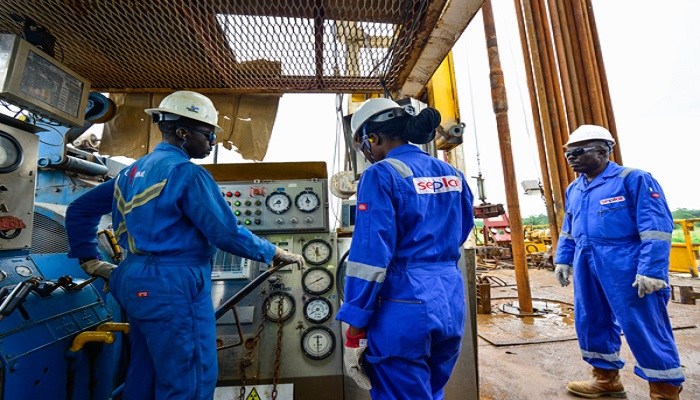
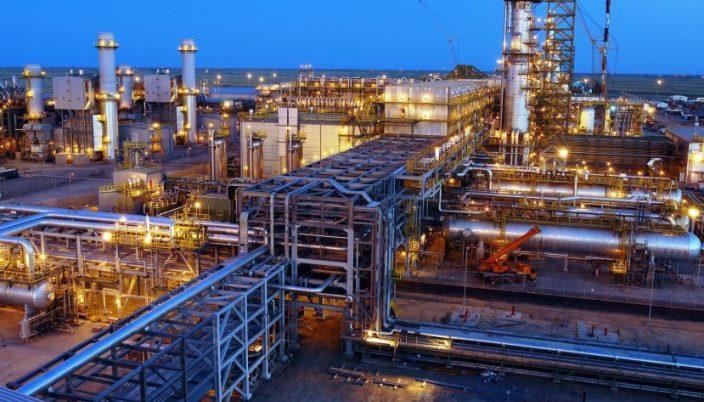
The scale of Schneider Electric’s impact is staggering. The company now electrifies, automates, and digitises 100 percent of the energy produced in Nigeria, 95 percent of the nation’s refining operations, and 55 percent of its food production.
“In Lagos alone, there’s a 65 percent chance that the electrons powering your home or office flow through Schneider Electric equipment,” Akindele added.
He emphasised that these achievements are not solitary feats but the product of a robust ecosystem. The company partners with over 400 organisations across Nigeria to deliver tailored solutions, generating more than 3,000 jobs and contributing to sustainable economic progress.
Schneider Electric’s impact goes beyond the factory floor and power plants; it reaches classrooms and communities.
The company believes that access to education is a fundamental human right, and it has partnered with five institutions, including the University of Ibadan, Federal University of Technology Owerri, Yabatech, and Federal University of Technology Akure, to offer energy technical training programs. Over 13,000 Nigerian youths have benefited, gaining technical and energy skills to help build the country’s future workforce.

A flagship project, the Bonny Multimodal Centre, exemplifies this approach. The educational and testing facility in Bonny Kingdom runs on uninterrupted power supplied by Schneider Electric solutions, providing clean energy to students and ensuring seamless exam experiences. “These initiatives help close educational gaps in the community and empower the next generation of innovators,” Akindele noted.
The Nigerian government has long recognised the need for partnerships to modernise the energy sector. Speaking at the event, Adedayo Olowoniyi, representing the minister of power, praised Schneider Electric for its role in advancing energy efficiency and digital automation. He highlighted the government’s commitment to policies and reforms designed to attract private investment, expand energy access, and drive sustainable growth.
“Repositioning the Nigerian power sector for sustainability and efficiency requires legislation, infrastructure development, and capacity enhancement. Schneider Electric has shown leadership in these areas, aligning with our national goals for energy security and competitiveness,” Olowoniyi said.
Walid Sheta, Schneider Electric’s Zone president for the Middle East and Africa, outlined four global megatrends shaping the company’s strategy: Energy Transition, Digitisation and AI, Infrastructure Development, and Global Rebalancing.
Read also: All On invests $250,000 in ICE Solar to expand clean energy access for Nigerian SMEs
The energy transition is reshaping Nigeria and the world. Electricity demand in Nigeria is projected to grow by 27 percent between 2023 and 2030, and renewable energy currently accounts for only 10 percent of the nation’s generation.
National targets aim to reach 30 percent by 2030 and between 40-55 percent by 2060, necessitating a rapid expansion in generation capacity.
Digitisation and artificial intelligence are converging with energy to create innovative solutions. The adoption of AI, including ChatGPT, has occurred 70 times faster than the World Wide Web, and global AI spending is expected to rise by 168 percent by 2028.
Schneider Electric is leveraging these technologies, in partnership with NVIDIA, to develop AI-driven factories and smart energy solutions, such as EcoStruxure for Data Centres, which reduces energy usage and operational costs while boosting efficiency.
Infrastructure development is essential to accommodate Nigeria’s projected population growth of 50 million and the accompanying demand for modern, efficient systems. Meanwhile, global rebalancing reflects a trend toward national sovereignty over energy, data, and supply chains—an area where Schneider Electric blends global expertise with local impact to drive resilient, sustainable systems.
The company’s EcoStruxure solutions are already reshaping cities and industries. In Lagos’ Eko Atlantic City, EcoStruxure for Buildings powers 99 percent of the city’s electricity, scaling from 11kV to 132kV for uninterrupted energy distribution. In the United States, Schneider Electric’s Smart Factory in Lexington, Kentucky, achieved a 25 percent reduction in energy consumption, a 20 percent reduction in equipment downtime, and a 78 percent drop in CO2 emissions through renewable energy credits.
Across Africa, Senegal’s National Electricity Company leveraged EcoStruxure for Power and Grid to reduce downtime from 54 hours to five minutes, saving 10 GWh of energy annually, equivalent to roughly €21 million. These examples demonstrate how digital and electrical solutions combine to deliver sustainability at scale, creating efficiency and growth across sectors.
The Innovation Day concluded with an industrial panel session curated by Business Day, which explored the theme: “Unlocking Nigeria’s Energy Future: Policy, Innovation, and Investment.” Industry leaders, policymakers, and technologists discussed strategies for accelerating Nigeria’s energy transition, highlighting the importance of collaboration between government, business, and technology.
For participants, the event was more than a showcase, it was a testament to how innovation, partnership, and sustainable practices can illuminate the economy. “Schneider Electric’s work is about more than energy; it’s about enabling education, empowering communities, and creating the infrastructure that allows Nigeria’s economy to thrive,” said one attendee.
From electrifying homes and industries to powering classrooms and training the next generation of energy experts, Schneider Electric has woven itself into the fabric of Nigeria’s economic and social development.
As the country navigates rapid technological changes, growing urbanization, and the global energy transition, Schneider Electric’s commitment to automation, digitization, and sustainability positions it as a vital partner in shaping a brighter, smarter, and more resilient Nigeria.
In the words of Ajibola Akindele, “By combining digital and electrical solutions, we deliver sustainability at scale. This is our vision for the future, creating efficiency and sustainable growth for all.” For Nigeria, that vision is no longer aspirational, it’s illuminating the present.