…FG retains English as language of instruction
Dhir Jhingran, founder of the Language and Learning Foundation (LLF), has called for a balanced approach that integrates both local and international languages in early childhood education to strengthen foundational learning and literacy outcomes among children.
Speaking at the Language in Education International Conference 2025 held in Abuja, Jhingran emphasised that language and literacy are central to cognitive development, not merely school subjects.
He argued that developing strong skills in both a child’s home language and an international language, such as English, is not mutually exclusive, but complementary when properly implemented.

“Language is a tool for thinking, reflecting, and organizing our thoughts. When children learn in a language unfamiliar to them, the vital link between language and thought is disrupted, which affects both learning and cognition,” Jhingran explained.
He highlighted global evidence showing that children achieve better learning outcomes when education begins in their first language while gradually introducing international languages.
Drawing from experiences in India, he noted that a bilingual or multilingual approach helps bridge comprehension gaps and enhances overall literacy.
Read also: British council calls for equal learning opportunities, inclusive language education
According to him, foundational literacy should go beyond basic reading and writing to include oral comprehension, reasoning, creative expression, and a connection to children’s real-life experiences. He outlined a four-part framework for language teaching, covering oral language, decoding, reading comprehension, and writing, emphasizing that each stage should value children’s linguistic backgrounds.

Jhingran also underscored the need for teacher training and recruitment policies that take linguistic diversity into account. He suggested that local youth be supported to qualify as teachers in their own language communities, ensuring that classroom instruction aligns with learners’ linguistic realities.
“Programs that introduce local languages often fail because they neglect strong second-language teaching practices. We must ensure that children learn international languages well, alongside their mother tongues, using effective multilingual strategies,” he said
He further recommended that early childhood education, especially pre-primary classes should focus strongly on home languages to build a solid foundation before introducing literacy in international languages.
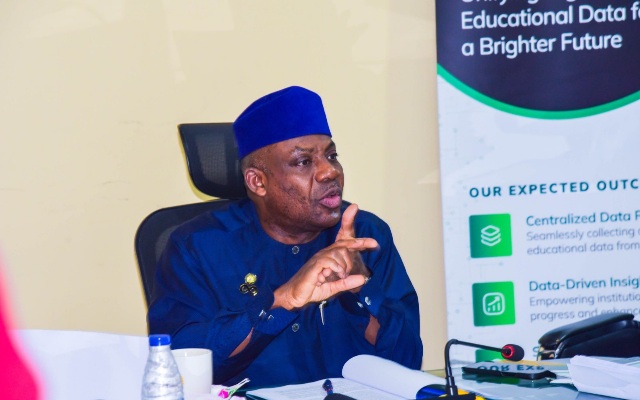
Also speaking, Maruf Tunji Alausa, minister of Education, in his opening remarks reaffirmed the Federal Government’s position on the language of instruction in Nigerian schools.
Alausa commended the British Council for convening the forum. He emphasised that while the government welcomes open dialogue on language policy, recent data and field evidence have shown poor learning outcomes in states that implemented certain modern-language policies.
As a result, he announced that English shall remain the medium of instruction at all levels of education, from pre-primary to tertiary institutions, adding that the previous National Policy on Language has been discontinued.
“We must have honest conversations. We cannot afford to be dogmatic. Based on the extensive data we have reviewed, the outcomes of some of these language policies have been alarmingly poor. Therefore, we have had to act decisively to safeguard the quality of learning in our schools,” the minister said
Alausa reaffirmed President Bola Ahmed Tinubu’s commitment to fixing Nigeria’s education system and ensuring sustainability, even when it requires taking difficult or unpopular decisions.
“As the President has directed, we will continue to make the hard choices necessary to guarantee that every Nigerian child receives the highest quality of education,” he stated.
Declaring the Conference open, Alausa urged all participants to focus on solutions that make education the “great equalizer,” breaking barriers and opening opportunities for every child across the continent.