Nigeria’s telecommunications operators saw operating expenses balloon to a record N5.85 trillion ($3.6 billion) in 2024, an 85 percent surge from N3.16 trillion the previous year, as exorbitant state-level right-of-way fees compounded pressures from inflation, currency devaluation and soaring energy costs, according to data released by the Nigerian Communications Commission (NCC).
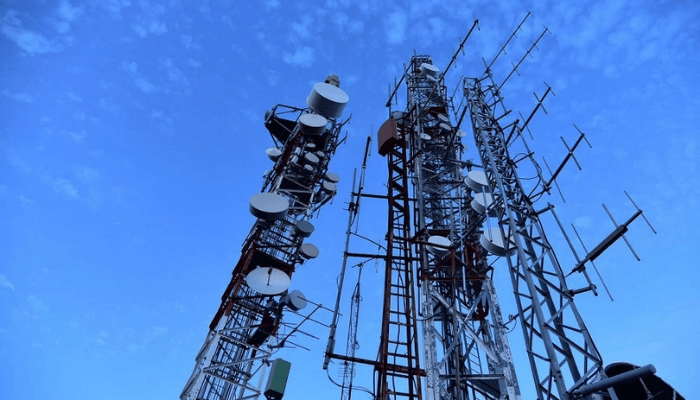
The NCC’s annual industry report highlights RoW charges, levies telecom firms pay to lay fiber-optic cables along public roads, as the single largest driver of the cost escalation.
Operators have long complained that state governments routinely ignore a 2020 federal guideline capping the fee at N145 per linear meter, with some jurisdictions demanding more than 60 times that amount.
Read also: NCC reviews regulations to streamline telecom licensing, enforcement

Ogun state imposed the steepest rate at N9,477 per meter, followed by Lagos at N6,264 and Oyo at N5,303. Cross River, Rivers, Edo and Ondo also ranked among the highest, charging between N3,075 and N4,737 per meter, the NCC data show.
The disparities have created a patchwork regulatory environment that deters nationwide broadband expansion, industry executives say.
“These fees are not just prohibitive; they are anti-investment. Every kilometer of fiber delayed because of RoW costs translates into millions of Nigerians left offline,” said Gbenga Adebayo, chairman of the Association of Licensed Telecoms Operators of Nigeria.
The NCC has secured zero RoW fees in 11 states, an increase from six earlier in 2024, with Adamawa, Bauchi, Enugu, Benue and Zamfara joining Anambra, Katsina, Kebbi, Nasarawa, Osun and Plateau.
Aminu Maida, executive vice chairman, NCC said last month that the waivers would accelerate infrastructure rollout, but the remaining 25 states continue to exact heavy tolls.

The cost spiral has undermined Nigeria’s National Broadband Plan target of 70 percent penetration by year-end. As of September 2025, broadband reach stood at 49.3 percent, NCC figures show, confirming the goal is now unattainable. The shortfall risks widening the digital divide in Africa’s most populous nation, where only 95 million of 220 million citizens currently access high-speed internet.
Faced with mounting losses, the NCC in January approved a 50 percent tariff increase, the first in over a decade, allowing operators to pass on a portion of their cost burden to consumers. Data plans, voice minutes and SMS bundles rose accordingly, drawing criticism from consumer advocates but delivering a lifeline to the industry’s biggest players.
MTN Nigeria, the market leader with over 90 million subscribers, swung back to profitability in its nine-month 2025 results, posting net income of N412 billion versus a loss the prior year.
Read also: Telecom revenue outlook brightens amid rising tariffs, subscriber growth
Smaller rivals Airtel Africa and Globacom also reported improved margins, though none have fully offset the OPEX surge.
Energy expenses, the second-largest cost driver after RoW, jumped as diesel prices averaged N1,400 per liter amid naira depreciation and subsidy removal.
The currency lost 45 percent of its value against the dollar in 2024, inflating imported equipment and software bills.
Stakeholders have warned that without uniform RoW enforcement, Nigeria’s digital ambitions will remain stalled even as Maida has pledged continued dialogue with governors.