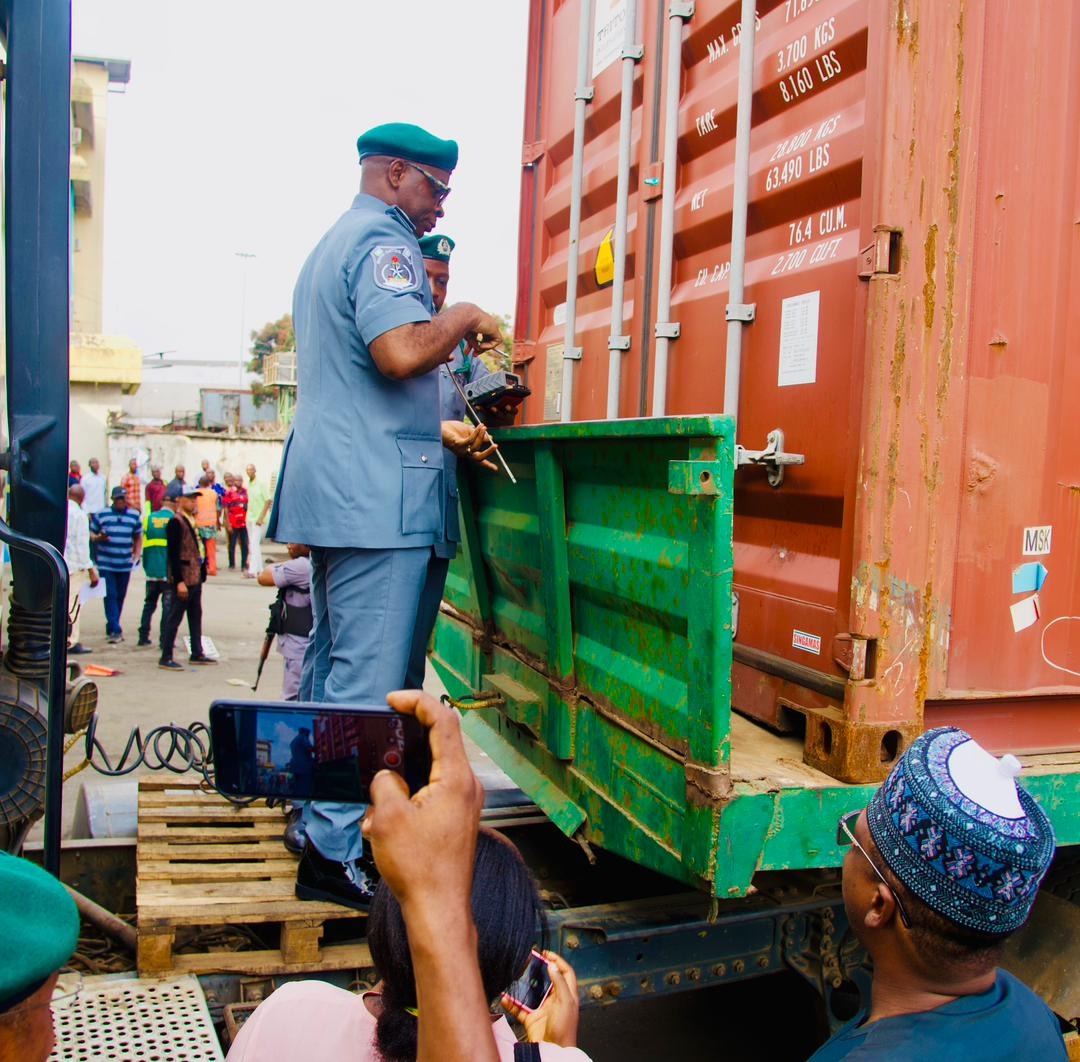
The Apapa Area Command of the Nigeria Customs Service (NCS) has begun using a new digital cargo tracking system that lets officers monitor containers in real time as they move across the country.
It’s called the Electronic Cargo Tracking System (ECTS), and according to officials is meant to stop cargo diversion, make trade faster, and boost government revenue.
The first test run happened earlier in the month, using a container heading to Kano/Jigawa Command, marking the first time the system has been used live in Nigeria.

Emmanuel Oshoba, the Apapa Customs Comptroller, said the system uses electronic seals and handheld devices so officers can see where containers are at any time without physically escorting them. It also means less tampering, fewer diversions, and more transparency, he said.
He explained that Apapa is the pilot site for the nationwide rollout. The idea, pushed by Bashir Adeniyi, the Customs Comptroller-General, will align Nigeria with global standards.
Aondona Fanyam, the deputy Comptroller, who oversees the project, said containers will stay sealed until they reach their final destination. Only authorised officers can open them, either remotely, with a special handheld device, or with a physical unlocking card.
Those layers of control, he said, make it nearly impossible for anyone to tamper with cargo mid-route.
To make sure everything runs smoothly, 12 officers from Apapa and the Federal Operations Unit in Ikeja have been trained to handle the system. Rosemary Wenceslas, the chief superintendent of Customs, led the training and said they are ready to operate the technology effectively.

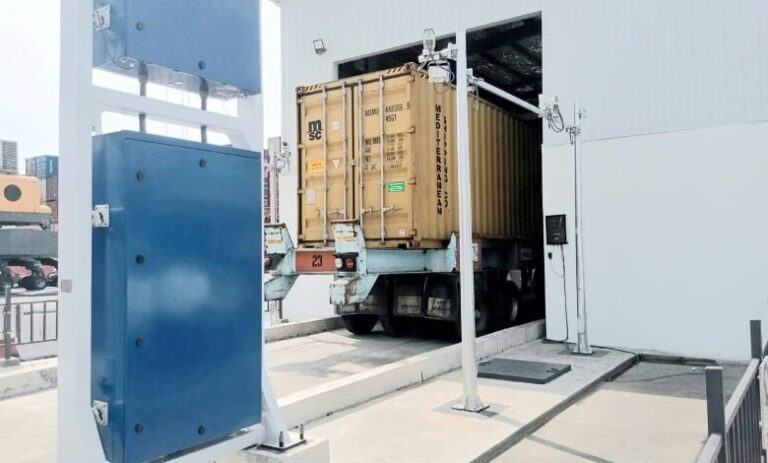
Meanwhile, the command has also completed final test runs of its new drive-through cargo scanner at APM Terminals. The machine, they said can handle up to 100 containers per hour, should cut inspection times and help detect illegal items more easily.
“With this digital approach, detecting contraband like arms or narcotics becomes easier, as even small concealed items show clearly on the scan,” he said.
Comptroller Oshoba said the scanners will soon go fully digital, linking scanned images directly to electronic declarations so that paperwork becomes unnecessary.
“Once a container is scanned and declared, the system matches the data automatically. No physical documents are needed,” he said.
He cautioned however, that “the only time delays will happen is when scanned images don’t match the declarations. Compliance is now key. because the system captures every detail. My advise to our trading community is to be compliant and make correct declarations.”