Food has a way of bringing people together, telling stories, and reflecting culture. It is not just what we eat that matters, but what it represents—the effort, the history, and the connections it carries. In certain movies, food often becomes the centre of a story, shaping characters and their decisions, highlighting tension or celebration, and showing how ambition, creativity, and tradition collide. Watching these films is about more than appetite; it is about seeing how people navigate life through the lens of what they cook, serve, and share.
These movies show that the kitchen is more than a place for preparing meals, it is a stage for life’s struggles, triumphs, and small victories. Characters face pressure, learn to collaborate, wrestle with family expectations, or chase perfection in ways that mirror challenges outside the kitchen. They remind us that every meal tells a story, and sometimes, the story behind the food is far more compelling than the dish itself.
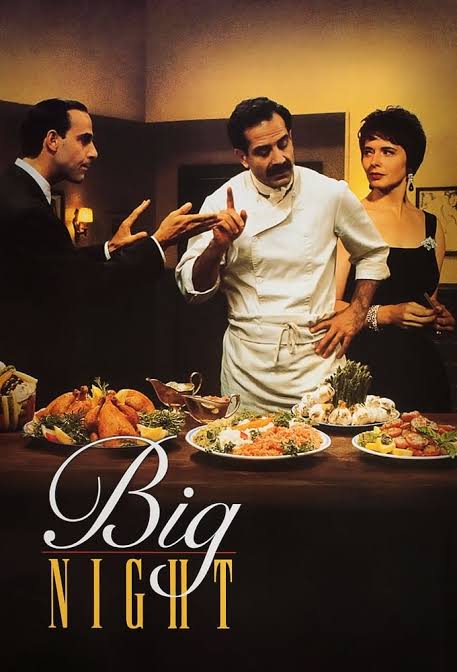
Big Night (1996)
Big Night tells the story of two brothers, Primo and Secondo, who immigrated from Italy and run a small Italian restaurant in the United States. The central plot revolves around one “big night” they organise to impress a famous guest and save their struggling business. While the narrative centres on their cooking, it is also a study of dedication, strategy, and personal pride. The film explores the tension between artistry and commerce—Primo is obsessed with the quality and authenticity of his food, while Secondo understands the practicalities of running a business. Beyond the story of the restaurant, the film offers lessons about planning, teamwork, and the value of patience.

Ratatouille (2007)
Though animated, Ratatouille delivers more than visual appeal. It follows Remy, a rat with a remarkable sense of taste and smell, who dreams of becoming a chef in Paris. Remy’s story examines the barriers of societal expectations and prejudice; he is an unlikely candidate in the high-stakes world of gourmet cooking. The film celebrates creativity, persistence, and the courage to follow one’s passion despite obstacles.
The Secret of the Grain (2007)
This Franco-Tunisian film centres on Slimane Beiji, a divorced father dreams of opening a couscous restaurant while navigating complex family and social dynamics. Unlike many food films, The Secret of the Grain is deeply grounded in culture and identity. It explores how personal ambition interacts with familial duty, societal expectations, and the immigrant experience. The movie also captures the communal aspects of food—the sharing, collaboration, and connection that meals foster within communities. By showing the challenges of opening a restaurant in a foreign environment, the story reflects universal themes: identity, immigration, and other ethnic diversity themes.
Food Luck (2020)

Food Luck is a Japanese film that follows a food writer returning to his family’s yakiniku (grilled meat) restaurant. While the plot revolves around the preparation and serving of food, it also examines the deeper connections between food, memory, and personal identity. The writer’s journey of rediscovery demonstrates how food is a bridge between past and present, linking him to his family, heritage, and the values instilled in him from childhood. Through the lens of cooking and dining, it explores how returning to one’s roots can provide clarity, grounding, and purpose.
Tampopo (1985)
Often called a “ramen western,” Tampopo follows a widow determined to perfect her ramen shop with the help of an experienced truck driver. The film blends comedy and drama while exploring the role of food in daily life. Tampopo’s pursuit of excellence is not just about taste; it is about creating an experience that brings satisfaction to others, highlighting the intersection of service, skill, and personal growth. The narrative demonstrates that mastery is a process involving trial, error, and guidance. It also addresses the broader cultural significance of food, illustrating rituals, techniques, and expectations surrounding preparation and presentation. Themes of mentorship, persistence, and understanding one’s craft resonate throughout.