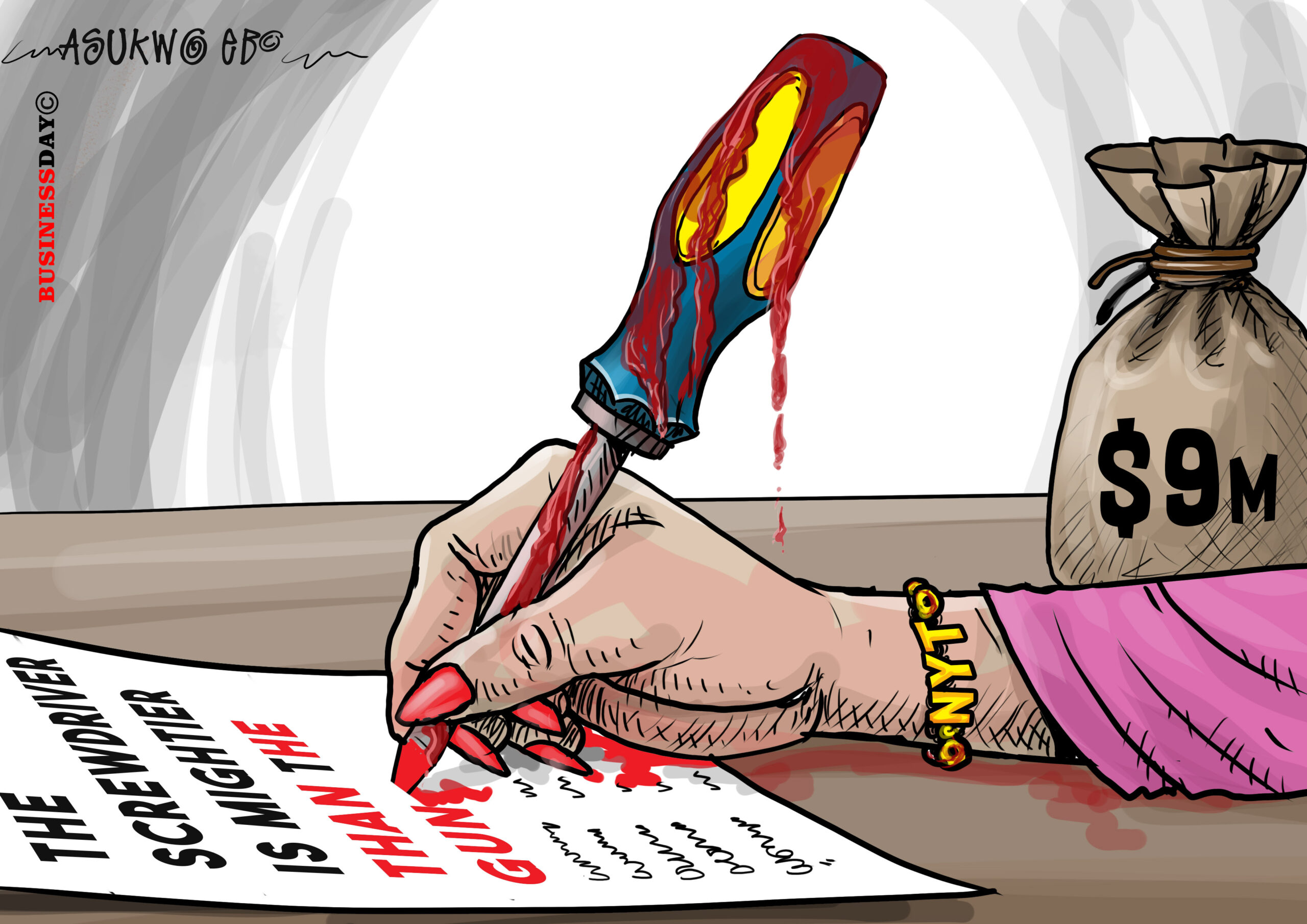
The man accused of assassinating Shinzo Abe, Japan’s former prime minister has pleaded guilty, opening a landmark trial that has revived national debates about gun control and political ties to a powerful religious movement.
Tetsuya Yamagami, 45, stood before judges in the western city of Nara and said in a quiet voice that “everything is true.” He admitted shooting Abe during a campaign event in July 2022, an attack that stunned Japan and the wider world. Abe was Japan’s longest serving leader and a towering figure in both domestic politics and international affairs. He later died in hospital.
Read also:Japans ex-prime minister Shinzo Abe shot dead
Yamagami arrived in court escorted by officers, wearing a black T shirt with his hair tied back. Although he acknowledged killing Abe, his defence team plans to challenge some of the charges, including accusations that he violated arms control laws by using a homemade weapon.

The road to trial has been delayed by security scares. In 2023, a suspicious item found at the courthouse forced an evacuation, though investigators later determined it was harmless.
Read also:Abenomics: Matching resources in Japan with opportunities in Nigeria
Japan is one of the safest countries in the world and gun violence is extremely rare. Police at the scene initially failed to recognise the sound of the first shot, a report later found, leading to questions about how such a high profile public figure could be left vulnerable.
The killing also triggered a political reckoning. Japanese media reported that Yamagami blamed Abe for promoting the Unification Church, which he said had driven his family into financial ruin. His mother allegedly donated around 100 million yen, a sum that left them bankrupt. The case put intense pressure on Abe’s ruling Liberal Democratic Party, prompting several ministers to resign amid scrutiny of their links to the church.
Read also: Shinzo Abe to step down as Japanese prime minister

Investigations culminated in a Tokyo court order this year to dissolve the Unification Church. The group lost its tax exempt status and now faces liquidation of its assets. Nonetheless, Yamagami’s mother is expected to testify that her faith remains unshaken.
Abe was known for his strong stance on national security and a bold economic programme widely called Abenomics. His death raised fresh questions about how to protect political leaders in public spaces. In response, Japan passed new laws in 2024 to tighten controls on homemade weapons. Publishing instructions on how to make guns or providing information about illegal gun sales online can now lead to fines or jail.
Yamagami’s trial is expected to continue into January. The defence argues that the device he used does not legally qualify as a firearm. Prosecutors will seek to prove not only premeditated murder but also that he broke Japan’s strict weapons laws.
The verdict in this high profile case will not only determine the fate of one man. Many in Japan also see it as a test of how the country balances political openness, public safety, and transparency in its ties with controversial organisations.