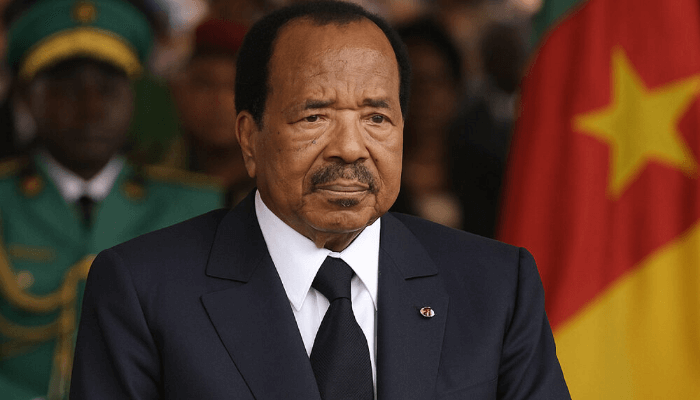
At 92, Paul Biya has been declared the winner of Cameroon’s October 12 election, securing a rare eighth term in office after more than forty years in power. This consolidates the president’s position as the world’s oldest president alive.
The victory announcement came from Clément Atangana, president of the Constitutional Council in Yaounde, who praised the electoral process as peaceful and legitimate. He warned candidates and supporters that any concerns about the vote must be handled through official appeals rather than public accusations.
Biya, who first took office in 1982, is now set to govern until 2032, extending one of the longest presidencies in the world.

Read also: Sterling HoldCo recapitalisation: A blueprint for value creation
Mixed results across the country
Regional tallies revealed deep political division. Issa Tchiroma Bakary, Biya’s main challenger, performed strongly in several key areas, including Littoral, one of the country’s most populous regions, where he won 64.5 percent of votes. He also claimed victory in Adamawa and the North region.
Biya maintained firm control in his traditional strongholds. The South region, his home base, delivered his strongest result with more than 90 percent of votes. The ruling party leader also led in the Centre, East, Far North, and North West regions.
Turnout varied sharply. Conflict and separatist tensions weighed heavily on participation in the Anglophone areas. Over half of registered voters in both the North West and South West regions abstained.
Diaspora support shifts to the opposition
Cameroon’s large diaspora showed a different political mood. More than half of overseas voters stayed away from polling, although those who participated largely backed Tchiroma. He won 54.99 percent of votes cast across African countries, and enjoyed commanding support in Europe, the Americas, and across Asia and the Middle East.
Despite those gains, the overall total electorate vote count placed Biya ahead.

Read also: Cameroon heads to the polls as world oldest ruler seeks to extend 43-year rule
Opposition complaints dismissed
The Constitutional Council rejected at least ten petitions alleging misconduct and irregularities in the election. Critics of the process argue that the state’s dominance over electoral structures leaves little room for meaningful challenge. Atangana insisted that the results reflected legitimate voter choice.