|
Getting your Trinity Audio player ready...
|
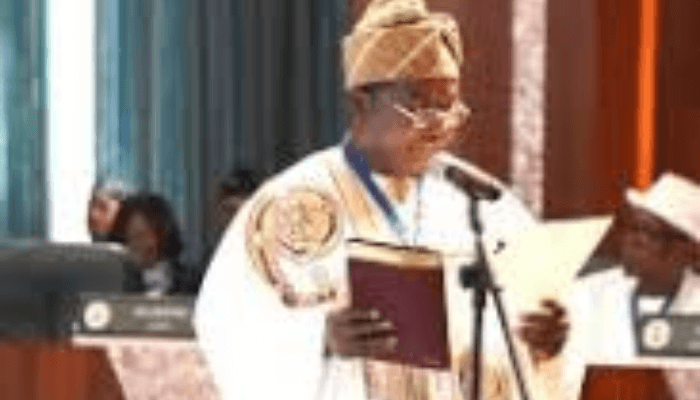
As Nigeria ushers in a new leadership at the Independent National Electoral Commission (INEC), the nation stands once again at a familiar crossroads — between promise and public doubt.
The new Chairman inherits not just an institution, but the collective hope of over 200 million citizens yearning for credible, transparent, and inclusive elections.
From media leaders to civil society watchdogs, the message is clear, it is time to rebuild trust in Nigeria’s electoral process.
Alhassan Yahya, president, Nigeria Union of Journalists (NUJ), has called on the new INEC Chairman to consolidate on the technological foundations laid by his predecessor, especially in the areas of result transmission and digital innovation.

“We have seen progress in the digital handling of results,” he said. “The new Chairman must strengthen these systems and resolve past lapses, particularly around the IReV platform.”
He also emphasized media partnership as a cornerstone for electoral education and transparency.
“An informed media leads to an informed electorate,” he said. “INEC must engage journalists through continuous training and collaboration, ensuring that every voter understands the process.”
Election analyst and reform advocate Ezenwa Nwagwu described the incoming INEC Chairman as “first among equals,” noting that his leadership success will depend largely on his ability to manage the 12 national commissioners who head strategic committees.
“They worship in different shrines and drink from multiple ponds,” Nwagwu said wryly.

“He must understand their strengths, harmonize diverse interests, and avoid the trap of political ambush.”
Nwagwu advised the Chairman to build upon quiet innovations introduced over the last decade rather than rushing to overhaul systems prematurely.
“Reforms need time to mature. He must resist the pressure to reinvent the wheel,” he cautioned.
For Auwal Ibrahim Musa (Rafsanjani), executive director, CISLAC/TI-Nigeria, the new INEC boss must embark on deep institutional reform that prioritizes transparency, accountability, and independence.
“The credibility of our democracy depends on the integrity of INEC,” Rafsanjani said.
He outlined key areas for immediate attention — including staff training, logistics planning, digital transparency, and the establishment of an Electoral Offences Commission to prosecute vote-buying and other malpractices.
He also called for a review of electoral laws, enhanced stakeholder engagement, and the decentralisation of power to give state offices greater autonomy in managing election logistics.
“Nigerians must see that their votes count. That is the only way to restore confidence in the ballot,” Rafsanjani stressed.
As the countdown begins toward the next general elections, the new INEC Chairman faces a daunting task: restoring faith in a system many believe has been compromised by politics, logistics, and perception.
Stakeholders agree that the path forward lies not in promises, but in practical reforms, open communication, and visible integrity.
“Transparency, justice, and trust must define the new era of INEC,” Rafsanjani concluded.