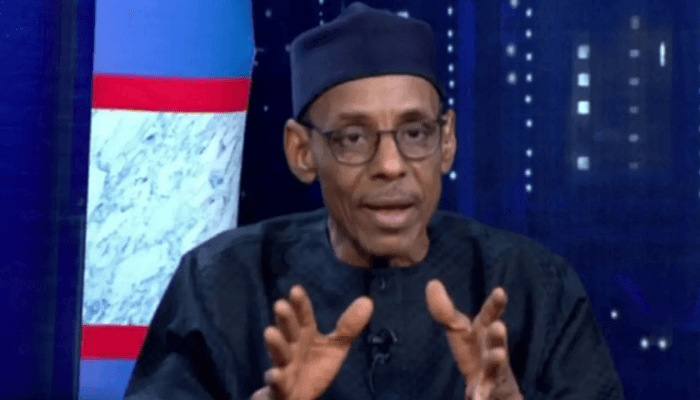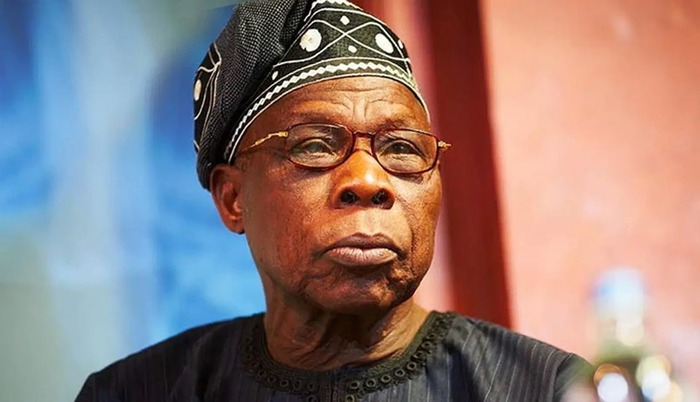
Former President Olusegun Obasanjo has disclosed that he once turned down a proposal to endorse former Kaduna State Governor, Mallam Nasir El-Rufai, as his successor at the end of his administration in 2007, saying the former minister was not mature enough at the time to lead Nigeria.
Speaking on Friday in Abeokuta, Ogun State, during the second edition of the Ajibosin Platform Annual Symposium, Obasanjo recounted how the idea was first suggested by Osita Chidoka, who later served as Minister of Aviation. According to Obasanjo, Chidoka had recommended El-Rufai as the right candidate to continue his reformist legacy, but the former president said he declined the suggestion after assessing El-Rufai’s disposition and leadership readiness.
“I looked at him (El-Rufai) and told Osita, ‘Not yet,’” Obasanjo said. “I didn’t think he was ready at that time to handle the complexities of governing a country like Nigeria.”
Obasanjo’s remarks have reignited discussions about the behind-the-scenes succession battles that shaped Nigeria’s political landscape toward the end of his two-term presidency between 1999 and 2007. During that period, the search for a successor was intense, as Obasanjo’s administration had been marked by sweeping reforms, privatisation efforts, and internal political maneuverings within the ruling Peoples Democratic Party (PDP).

Nasir El-Rufai, who served under Obasanjo first as Director-General of the Bureau of Public Enterprises (BPE) and later as Minister of the Federal Capital Territory (FCT), was widely seen as one of the president’s most trusted technocrats. His tenure at the BPE was notable for spearheading key privatisation initiatives, while his work as FCT minister drew both praise and controversy for his aggressive urban renewal policies in Abuja.
Despite his reputation for efficiency and discipline, Obasanjo said he believed El-Rufai needed more time to grow politically and emotionally before taking on the nation’s top job. The former president added that leadership at the national level required not only competence but also “a deep sense of balance, maturity, and tolerance.”
Read also: Naira gains after Nigeria removed from financial crime watchlist
“Leadership is more than intellect or boldness,” Obasanjo said. “It is about character, patience, and the ability to accommodate others, even those who disagree with you.”
Political observers see Obasanjo’s latest revelation as part of his continuing effort to reflect on Nigeria’s democratic journey and his own legacy in shaping the country’s political leadership. The former president has often been outspoken about governance, accountability, and the qualities required of leaders.
El-Rufai, who later became governor of Kaduna State from 2015 to 2023, has yet to respond publicly to Obasanjo’s comments. However, his political career since leaving the federal cabinet has remained one of the most dynamic in Nigerian politics marked by both bold policy reforms and sharp controversies.