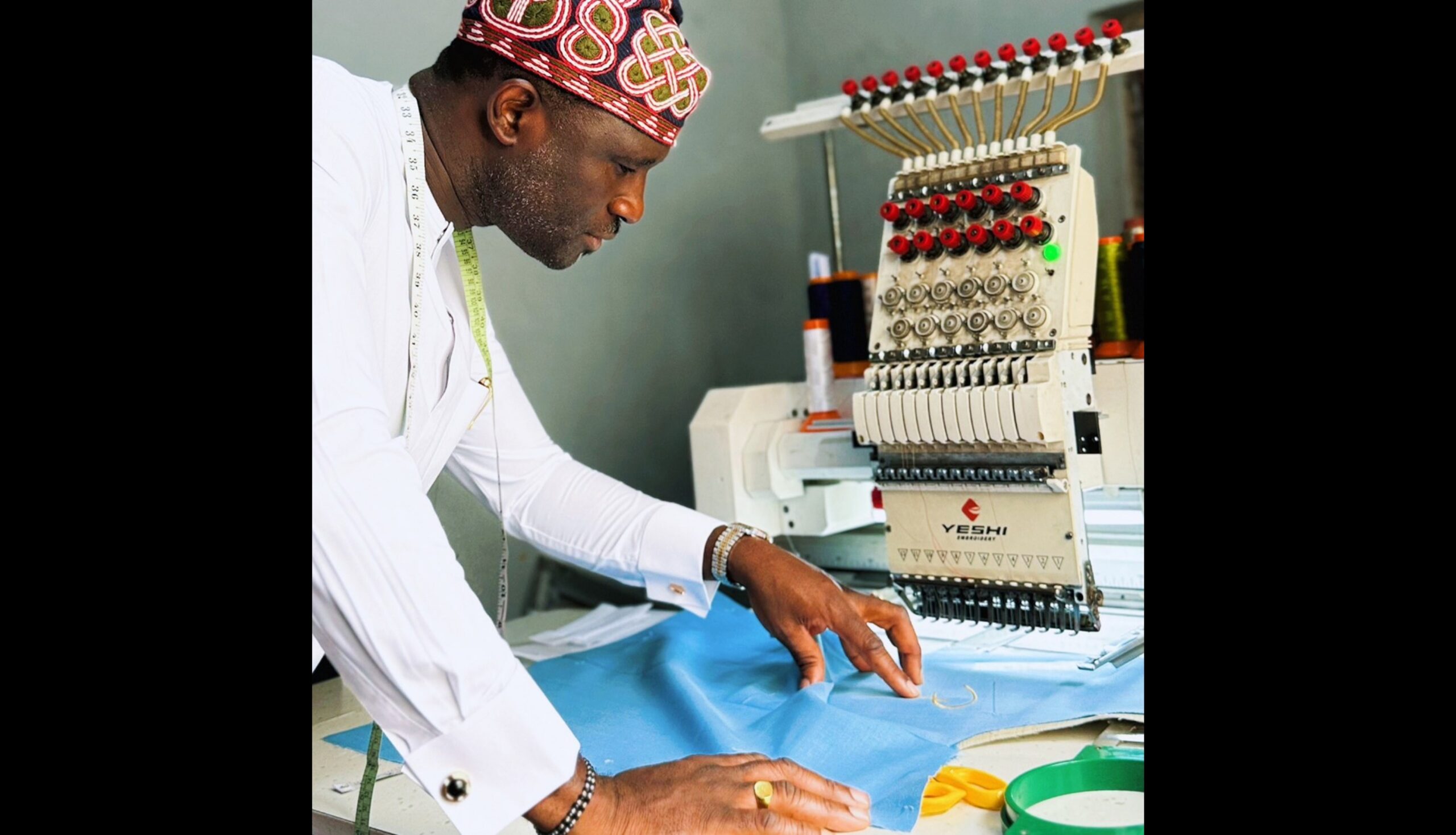
When I began my journey in tailoring, everything I knew was rooted in tradition. I trusted my eyes to draw chalk lines on fabric, I used my hands to feel textures, and I learned from years of apprenticeship that precision was born from patience, a foundation has never left me. Yet today, fashion is evolving in ways our predecessors could not have imagined, and a powerful new collaborator has entered the atelier: artificial intelligence.
For many, AI is a threat to human creativity, in my work, it is the opposite. AI strengthens craftsmanship, enhances creativity, and makes my service to clients across Nigeria, Ghana, and the wider African continent more efficient and personal. It allows me to blend the artistry of tradition with the precision of data, helping African fashion stand shoulder to shoulder with the best in the world.
The power of data in design and the African client
In the past, anticipating client needs meant relying on instinct, travel, and research. I would walk through fashion districts in Milan, London, or Paris, observe emerging trends, and interpret them for African clients. AI now makes that process sharper; by analysing global fashion shows, online conversations, and my own sales records across Lagos, Accra, and other cities, I can forecast which fabrics, colours, and silhouettes will dominate the next season.

This ability to plan ahead is invaluable. It means I can source fabrics before they run out, prepare designs that are not only stylish but timely, and deliver with the confidence that comes from knowing what clients will want months in advance. For a designer working across Africa, serving a Ghanaian executive who prefers bold traditional hues, a Nigerian celebrity in love with sharp European cuts, and an Angolan diplomat with understated tastes—such insights are critical. AI does not replace my instincts; it refines them with precision.
Bespoke tailoring has always been about making every garment unique to its wearer. AI takes this further by integrating with 3D body scanning and client history. The system captures posture, stance, and subtle asymmetries often missed by the human eye, then suggests style adjustments that improve both fit and balance.
Fit is only one part of personalisation. AI also studies patterns in a client’s history. A Ghanaian entrepreneur who favours earth-toned senator suits or a Nigerian governor with a preference for sleek, double-breasted jackets will see their choices reflected in future recommendations. When I present options, they are already aligned with the client’s style, saving time and creating a sense of exclusivity.
For clients across Africa many of whom travel extensively and have limited time, this efficiency makes the experience even more valuable. Personalisation is not only about fabric and fit; it is about respecting the client’s time while still giving garments that feel made for them alone.

A digital partner behind the scenes
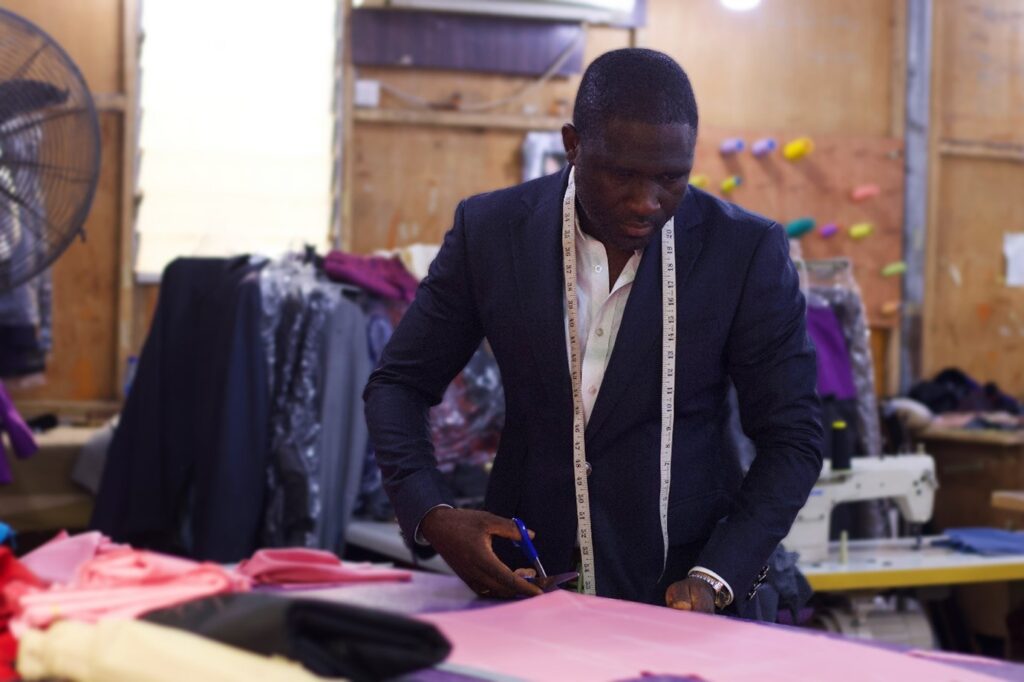
The beauty of a finished garment hides the complexity of everything behind it: sourcing fabrics, coordinating teams, scheduling production, and managing logistics across countries. This is where AI has transformed my work most dramatically.
With AI-driven supply chain tools, I can predict which fabrics will be in demand and order early, track shipments in real time, and avoid delays that used to frustrate both designers and clients. This is particularly important in Africa, where logistics can be unpredictable. Preparing outfits for clients in both Lagos and Accra at the same time demands reliability, and AI makes that possible.
It also extends to workflow management within my atelier. Every garment is tracked through consultation, cutting, sewing, and finishing. If one stage falls behind, I am alerted immediately, allowing my team to adjust. This level of oversight ensures that a groom’s wedding suit in Abuja and a business leader’s tuxedo in Accra are both delivered on time without compromising quality.
The idea that AI can generate design sketches surprises many people. For me, it is not about surrendering creativity but expanding it. I input parameters like fabric type, silhouette, and purpose, and AI produces several concept sketches. These are not finished designs; they are sparks.
Sometimes the system suggests a pairing I would not have considered: a textured fabric with a modern lapel, or a fresh interpretation of agbada that balances tradition with a sharper, global edge. These ideas challenge me to think differently. I then refine them using my experience with construction, cultural symbolism, and client needs. The result is a garment that is as innovative as it is rooted in African identity.
No matter how advanced AI becomes, it cannot replace the bond between tailor and client. It cannot understand why a Ghanaian groom wants his suit to reflect his father’s legacy, or why a Nigerian client prefers the cut of a jacket that communicates both power and humility. It cannot replicate the tactile judgment of choosing fabric by hand or making an intuitive adjustment for comfort.
This is why I see AI as an assistant. It can support the process, but the soul of bespoke lies in human connection. The relationship, the trust, and the subtle decisions made in conversation and fitting rooms remain irreplaceable.
Africa’s Opportunity in Fashion Innovation
The African context brings challenges, unreliable power supply, inconsistent internet, and scepticism from clients who value traditional rituals of tailoring. Yet it also presents opportunity. Early adopters of AI in Africa can position themselves as leaders not just locally but globally.
For me, working with clients across Nigeria, Ghana, and across continents has proven how AI can unify standards, deliver consistency, and showcase African fashion on an international stage. It also opens possibilities for collaboration with African tech companies to build AI tools tailored for African body types, fabrics, and cultural designs. By doing so, we ensure that technology reflects our realities, not just imported templates.
Looking ahead
The future of fashion is still unfolding. Soon, predictive analytics will help me design collections before clients even articulate their preferences. Virtual reality showrooms may allow clients across Africa and the diaspora to try on garments digitally. Intelligent pattern-making could minimise fabric waste, bringing sustainability to the heart of luxury fashion.
The principle guiding me remains simple: technology should make us better at what we already do well. AI helps me serve clients with greater precision, creativity, and efficiency, from Lagos to Accra and beyond.
African fashion has always carried heritage and symbolism. By integrating AI, we preserve that heritage while making it relevant in a globalised future. The atelier is no longer confined to one city or one country, it is African, it is global, and it is intelligent. That is the future I am tailoring toward every single day.