What is stroke?
Stroke or cardiovascular arrest (CVA) is the sudden death of the brain tissue, caused by lack of oxygen supply to it. This happens when there is regular interruption of blood supply to a portion of the brain. That portion of the brain so affected is called infarct.
The two ways that brain tissues can die are:
ISCHAEMIC CVA/STROKE – when there is a blockage or reduction of blood flow in an artery that feeds that area of the brain.
HAEMORRAHAGIC CVA/STROKE – takes place when there is bleeding within and around the brain due to “arteriole rupture” or vascular accident causing compression and head trauma.

Bleeding within the brain tissue is known as intra-cerebral haemorrhage caused primarily by hypertension (high blood pressure).
CAUSES OF STROKE
These include:
- Uncontrolled High Blood Pressure.
- Heart disease such as mycardial infraction.
- Pericarditis.
- Heaviness of heart or chest pain (Angina pectoris).
- Fat deposit (arteriosclerosis).
Transient Ischaemic Attacks (TIAs) are brief attacks that last between a few minutes and a whole day but the victim recovers. They are caused by:
- High blood cholesterol
- High alcohol consumption
- Obesity
- Diabetes
- Cigarette smoking
- Prolonged use of oral contraceptive, and
- Family history.
Olive oil reduces the chances of cholesterol level. The presence of alpha-tocopherol in the oil helps in preventing blood arteries disorder.
How to manage High Blood Pressure
- Regular exercise.
- Reduction of stress.
- Avoid too much intake of caffeine.
- Quit smoking.
- Lose weight.
- Regular exercise such as brisk walking, cycling.
- Avoid table salt because of high content of sodium.
- Go for medical check-up and keep blood pressure diary.
DIETARY INTERVENTION

* Tomatoes are said to contain the highest amount of lycopene. They help to reduce the risk of heart attacks and stroke. So, eat tomatoes in salads.
* Eat a carrot everyday (boiled or steamed) to reduce your risk of stroke by more than 50 per cent. You should include it in your diet, either in the form of juice or adding to vegetable soup.
Drink green tea as it is helps to lower your risk of heart disease by improving the health of the cells lining the blood vessels.
*Almonds are as rich in proteins as red meat per kilogramme. Eating an almond per day reduces the risk of heart attack by 50 per cent.
* Three glasses of milk daily lead to 18 per cent decreased risk of heart disease, according to the January 2011 edition of American Journal of Chemical Nutrition. Seventeen studies were conducted in Europe, USA, and Japan.
According to Dr. Cindy Schmeitzer, Technical Director, Global Dairy Platform, milk and dairy products are healthy foods loaded with naturally occurring nutrients such as calcium, potassium and of course, protein.
NUTS –
Contain anti-oxidants and healthy fats. They lower bad triglycerides but boost heart-protecting High-Density Lipo- Protein (HDL)
White Star Apple (Agbalumo)
Recent study by researchers at the Department of Biological Sciences, College of Science and Technology, Covenant University, Ogun State show that it lowers blood sugar and cholesterol, preventing both heart disease and diabetes.
Wine:
Red wine contains resveratrol that prevents clotting of blood.
Plenty of fruits, vegetables, beans, whole grains
All are rich in vital vitamins, minerals, fibre but low in sodium. Five servings of fruits a day reduce the risk of heart disease.
Plenty of walking and relaxation
Fish:
Oily cold-water fish such as sardines, tuna and salmon are high in Omega-3 fatty acids.
Olive oil’s mono-unsaturated fat helps to lower the bad, low-density lipo protein (LDC).
Take GOOD CARE of your HEART with these food items: Green leafy vegetables, walnut, whole wheat grains, oily fish such as sardine, mackerel, tuna fish.
Other items include nuts, beans, banana, berries and avocados.
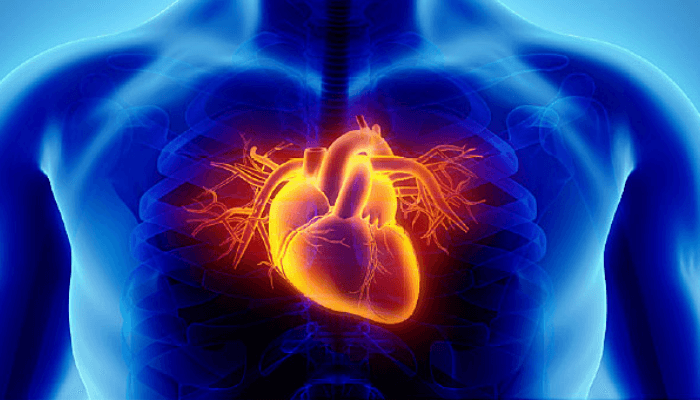
Remember, your heart is the engine room of your body’s overall well-being because of its function of pumping blood to all the cells.
Foods that are effective against HYPERTENSION assist to reduce the high blood pressure on the walls of the arteries. They also reduce the effects of the causes of hypertension such as stress, high salt intake, excessive smoking, alcohol abuse, obesity and long period of inactivity. Hypertension could also be hereditary.
These food items include green, leafy vegetables such as bitter leaf. Other foods are bananas, milk and yogurt, garlic, spices, tumeric, and foods rich in Omega-3 fatty acids like walnut, sardines, tuna and mackerel fish.
Enjoy enough rest, worry less and get between 7-9 hours of quality sleep every night.
Laugh more!