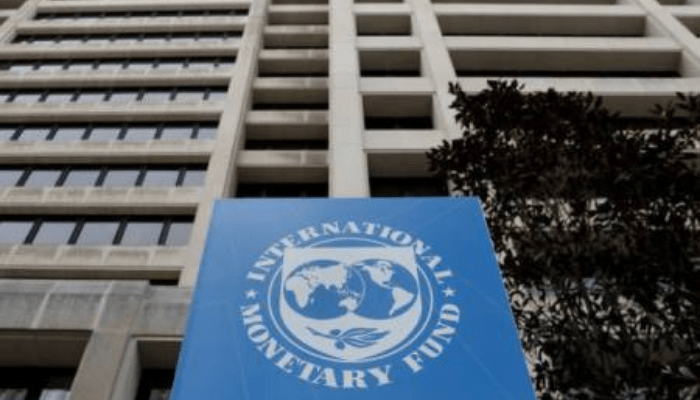
The Director of the African Department in the International Monetary Fund (IMF), Abebe Selassie, says Sub-Saharan Africa shows resilience amid global economic headwinds.
Selassie said this during a news conference on the regional economic outlook for Sub-Saharan Africa at the 2025 Annual Meetings of the IMF and World Bank, in Washington on Thursday.
According to him, the continent has shown resilience despite a challenging global environment marked by slowing global growth, fluctuating commodity prices, and tight financing conditions.
Read also: Sub-Saharan Africa growth to remain steady at 4.1% in 2025 IMF

Selassie said that, though growth remained steady, resource-dependent and conflict-affected countries still face significant hurdles with modest improvements in per capitaL incomes.
He said that global factors such as weaker external demand, divergent commodity prices and tightening financial markets continued to test the region’s economic resilience.
He said that oil prices had declined, adding that the IMF observed that the prices of copper, coffee, and gold remained relatively high, providing some cushion for exporters.
“The external financing conditions has shown slight improvement, with Kenya and Angola recently re-entering international capital markets.
“The Fund warns of emerging vulnerabilities, including rising debt servicing costs that threaten development spending, persistent inflation in several economies and limited fiscal space that restricts policy flexibility.

“To strengthen resilience and unlock new growth potential, we have outlined two key policy priorities for African governments: domestic revenue mobilisation and sound debt management ” he said.
Selassie said that modernising tax systems, embracing digitalisation, and enhancing enforcement would be essential.
“These reforms must also build public trust and ensure fairness, so that they are not only effective but equitable,” he said.
Read also: IMF sees Nigeria’s debt-to-GDP easing to 35% by 2026
He urged countries to improve transparency, strengthen public financial management and publish comprehensive public debt data to reduce borrowing costs and attract innovative financing.
“Since 2020, the IMF has financially supported to Sub-Saharan African countries, alongside robust technical assistance aimed at improving fiscal and economic governance,” he said.