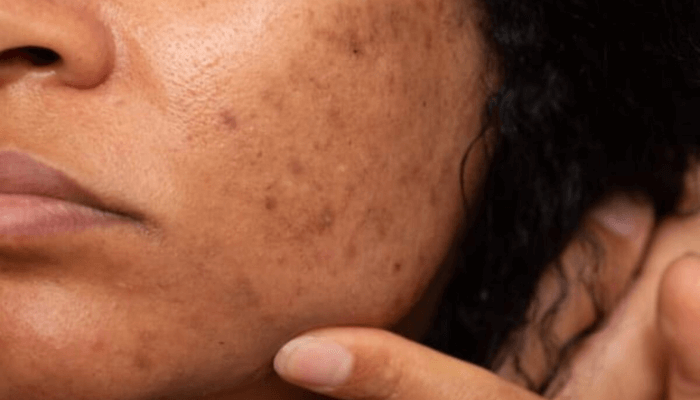
Dark spots, uneven patches, or sudden changes in skin tone can be frustrating and affect confidence. Hyperpigmentation, a condition caused by overproduction of melanin—the pigment that gives your skin colour, is a common reason behind these changes. While it is usually harmless, understanding the type of hyperpigmentation you have is key to effective management.
Here are the three main types of hyperpigmentation
Post-inflammatory hyperpigmentation (PIH)
Post-inflammatory hyperpigmentation is the skin’s response to injury or inflammation. Most people see it after acne breakouts, but it can also result from eczema, psoriasis, burns, rashes, or even mosquito bites. As the skin heals, it produces excess melanin, leaving flat, discoloured patches or spots that range from brown to black depending on your skin tone and the severity of the injury. PIH can affect anyone, but it is particularly noticeable in darker skin tones. Proper skincare, gentle exfoliation, and targeted treatments can help fade these spots over time.
Melasma
Often referred to as “the mask of pregnancy,” melasma is linked to hormonal changes and is most common in women in their 20s and 30s. It can also be triggered by sun exposure, including both UV and visible light. Melasma presents as symmetrical, larger patches that are usually brown or gray-brown, typically appearing on the cheeks, forehead, chin, and upper lip. While it can be stubborn, consistent sun protection and specialized treatments can significantly improve its appearance.

Sunspots (solar lentigines)
Sunspots, also known as age spots or liver spots, are the classic signs of sun exposure. They appear as small, flat, dark-coloured spots on areas most frequently exposed to the sun, such as the face, hands, arms, and shoulders. Unlike PIH or melasma, sunspots are directly linked to UV damage over time. Using broad-spectrum sunscreen daily and incorporating treatments like chemical peels or laser therapy can help reduce their visibility and prevent new spots from forming.