



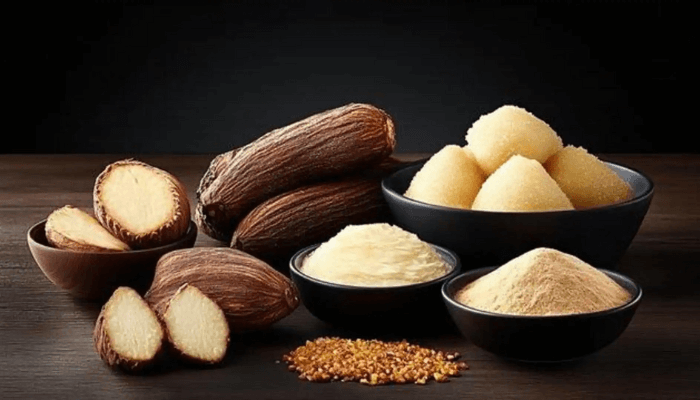
The recent move by the Nigerian Government to suspend the export of raw shea nuts will generate an estimated $300 million in the short term, and up to $3 billion annually by 2027, the Nigerian Agribusiness Group has stated.
The policy was made to drastically reduce an estimated 40% of the global market for shea nut, valued at S6.5 billion, earning about 1% from the supply since it is done in raw form.
The policy shift aligns with broader economic diversification goals under the Renewed Hope Agenda of President Bola Tinubu, as it is geared at expanding the processing of the commodity locally into butter, oils, cosmetics and other by- products.
Jafar Abubakar Umar, Director-General, Nigerian Agribusiness Group (NABG), confirmed this in a position document prepared for the Group and seen by BusinessDay on Friday in the commercial city of Kano in Kano State.

Read also: Shea nut export suspension threatens $3bn non-oil exports – CPPE
NABG expressed delight with the policy initiative, noting that the suspension of the export of commodities in raw form was a timely step aimed at repositioning Nigeria within the global shea value chain.
Nigeria which is the biggest supplier of the commodity, nearly 40% of the world’s raw shea nuts, yet contributes less than 1% of the $6.5 billion global shea market.
This paradox is both an economic and a social opportunity gap, NABG noted, adding that the export suspension provides an avenue to pivot decisively towards value addition, inclusive processing, and job creation, rather than perpetuating the role of raw material supplier.
The Group stated that the policy mattered as it would unlock Nigeria’s economic potential by correcting under-performance in the global shea market, which is not due to resource scarcity, but to systemic over-reliance on raw exports.

“By processing shea locally into butter, oils, cosmetics, and derivatives, Nigeria can realistically generate $300 million in the short term and up to $3 billion annually by 2027. This aligns with broader economic diversification goals under the Renewed Hope Agenda.
Read also: Winners, losers of Nigeria’s shea nuts ban
“Regional competitiveness with West African peers such as Ghana, Burkina Faso, and the Ivory Coast that have long implemented restrictions on raw shea exports, noting that their processing industries are thriving, creating thousands of jobs for rural women and significantly increasing foreign exchange inflows.
“Nigeria’s decision is, therefore, not an outlier, but an overdue alignment with proven strategies in the region. Shea remains a women-driven value chain, with an estimated 90% of rural shea collectors and processors being women.
“Prioritising local processing ensures these women are not just raw suppliers, but stakeholders in a profitable ecosystem, benefiting from improved incomes, access to markets, and capacity development”, the Group submitted.




