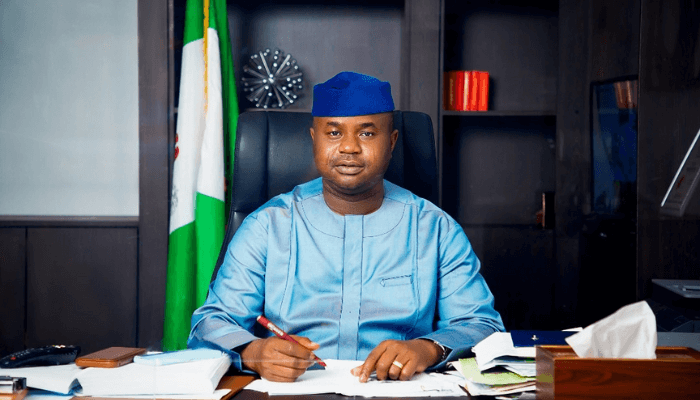
On a rainy morning, Idi Mukhtar Maiha, minister of Livestock Development, away from the bustle of city life, leads a team of journalists to his large-scale poultry and dairy farm, Zaidi Farm in Kaduna, declaring the many benefits of ranching. For Maiha, this thriving demonstration farm is more than land under cultivation — it is a glimpse into Nigeria’s future.
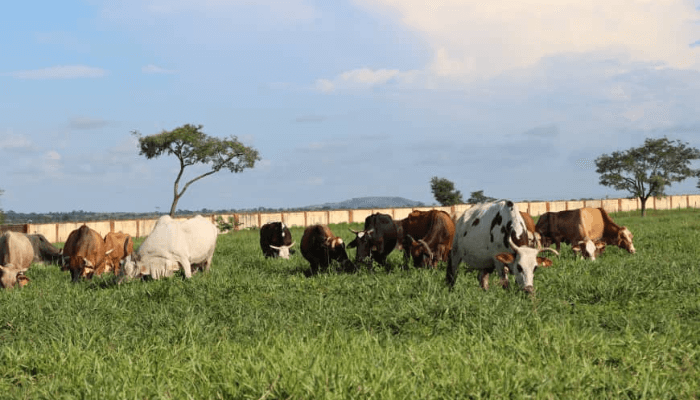
At Zaidi Farms, lush pastures of Brachiaria, Stylosanthes, and Mombasa grasses stretch over 10 hectares, carefully harvested for silage and hay. Irrigation pipes snake through the fields, ensuring a year-round supply.
“For the first time since the reserve was established, boreholes were drilled, a dam was revived for irrigation, and solar-powered systems were deployed to support both people and livestock. The minister himself mounted a tractor to plough the first furrows of Napier grass, drawing cheers from residents.”
“This is what a ranch should look like,” Maiha said with quiet conviction. “For nearly 20 years, I have fed my animals without them roaming. In the dry or rainy season, we always have enough. Ranching is the way forward — for dairy, for beef, for peace.”

For decades, Nigeria’s livestock sector has been trapped in the past. Cattle roam highways, herders trek across states in search of pasture, and clashes with farmers have left scars on communities, on lives, and on the nation’s economy. The open grazing system, once a cultural mainstay, has become unsustainable in a rapidly modernising country of over 200 million people.
Read also: Nigeria unveils 15-year livestock investment blueprint to boost food security, jobs
Nigeria, with 417 long-neglected grazing reserves scattered across the country, says it is ready to turn the page. Under President Bola Ahmed Tinubu’s Renewed Hope Agenda, ranching has been placed at the centre of a bold transformation plan.
“Our countryside should have purpose, not armoured carriers,” Maiha declared recently. “Milking machines must replace machine guns. We want peace, and we need peace to develop.”
“This is pure science, not guesswork,” Maiha explained, gesturing to the fields. “With ranching, you calculate feed based on lactation stages. You know exactly how many cattle a pasture can support. This is how you make livestock productive and profitable.”

The government plans to replicate this model nationwide — transplanting improved grass varieties, rehabilitating reserves, and encouraging pastoralists to resettle in organised ranches.
That vision took a dramatic step forward on Saturday, September 20, when the minister flagged off a climate-smart grazing initiative at the sprawling 9,000-hectare Kawu Grazing Reserve in Abuja.
For the first time since the reserve was established, boreholes were drilled, a dam was revived for irrigation, and solar-powered systems were deployed to support both people and livestock. The minister himself mounted a tractor to plough the first furrows of Napier grass, drawing cheers from residents.
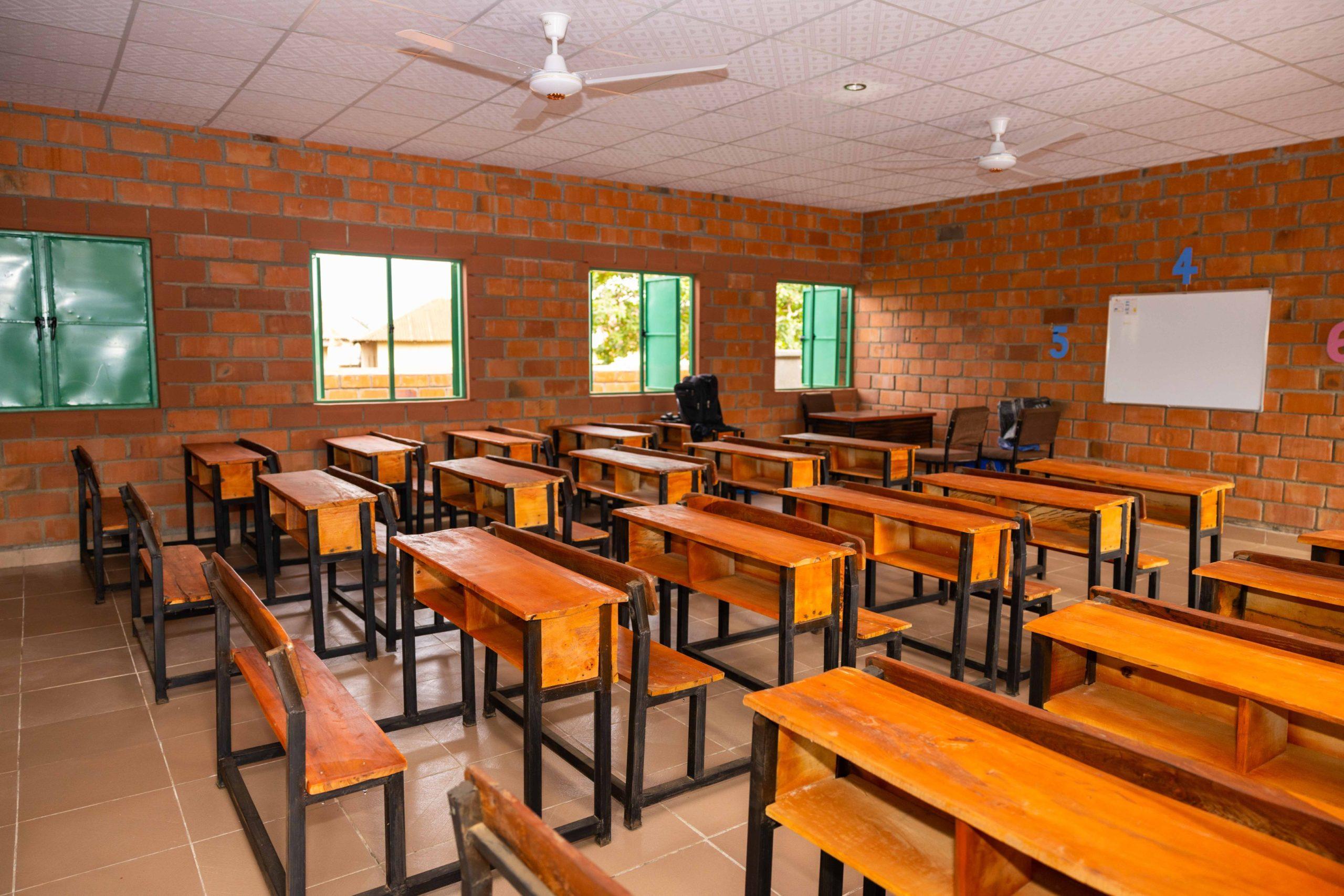
“This grazing reserve is going to come alive,” he promised. “We are bringing improved pasture, clean energy, veterinary services, and schools. Livestock farmers will thrive here, and pastoralists will finally have a place they can call home.”
Nigeria’s livestock sector is worth billions, but much of that potential remains untapped. Dairy production lags behind demand, meat imports drain foreign exchange, and conflicts between farmers and herders disrupt food security.
To reverse the trend, the Ministry has unveiled a National Livestock Development Strategy (NLDS) — a five-year blueprint that blends science, policy, and peacebuilding. Already, 16 states have established livestock ministries or agencies to align with the federal vision.
Read also: Borno govt partners with Al Halal to reposition the livestock industry to International standards
International agribusiness giants from Brazil, Europe, and the Americas are also circling, eager to invest in what many describe as “Africa’s sleeping livestock giant”.
Perhaps the strongest endorsement came not from policymakers but from pastoralists themselves. At Kawu, leaders of herders’ associations spoke with rare optimism.
“For over 70 years, pastoralists were neglected, but today we are recognised,” said Hon. Khalil Mohammed Bello, President of the Kulen Allah Cattle Rearers Association of Nigeria (KACRAN). “We move in search of water and pasture. Now that the government is providing these, we are ready to relocate.”
Water and pasture — the two most common triggers of conflict — are at the heart of this plan. By drilling boreholes, cultivating grass, and securing veterinary services, the government hopes to tackle the roots of Nigeria’s farmer–herder crisis, not just its symptoms.
Sceptics have heard such promises before. Nigeria’s history is littered with half-implemented agricultural blueprints. But this time, the government insists, things are different. Funding is already secured — N13 billion in the 2024 budget, with additional support from the World Bank’s Livestock Productivity and Resilience Support Project (L-PRES). Security agencies have been tasked with protecting new reserves, while agencies like UBEC and REA are investing in schools, healthcare, and clean energy for resettled communities.
“This is Renewed Hope translated into reality,” Maiha said with rare fervour. “It is no longer a campaign promise. It is happening in the field, boots on the ground. We are creating Renewed Hope Livestock Villages across all 417 reserves.”
Similarly, Idris Abiola Jimobi, senior special assistant to the President on Livestock Development, revealed that the Federal Government has secured N13 billion in the 2024 budget for livestock sector projects, with additional funding from development partners.
“This pilot in Kawu is the starting point. From here, we will scale up across other grazing reserves nationwide,” he assured.
Read also: FG unveils National Livestock master plan to boost sector
Olamide Fagbuji, senior special assistant to the President on Climate Technology and Operations, highlighted the sustainability of the project from a climate perspective.
“All energy here will be clean, from solar-powered irrigation to climate-smart pasture systems. This will help cut carbon emissions, make production safer for the environment, and ensure that the livestock sector contributes positively to our climate commitments,” he explained.
Transforming Nigeria’s livestock sector will not happen overnight. It will require patience, significant investment, and—above all—trust from communities that have long been scarred by neglect. But if the early signs from Zaidi Farms and Kawu Reserve are anything to go by, the seeds of change have been sown — quite literally.
“Just as we plant maize, beans, or wheat for people, we must plant grass for animals. Ranching is the future of livestock in Nigeria. And that future begins now.”