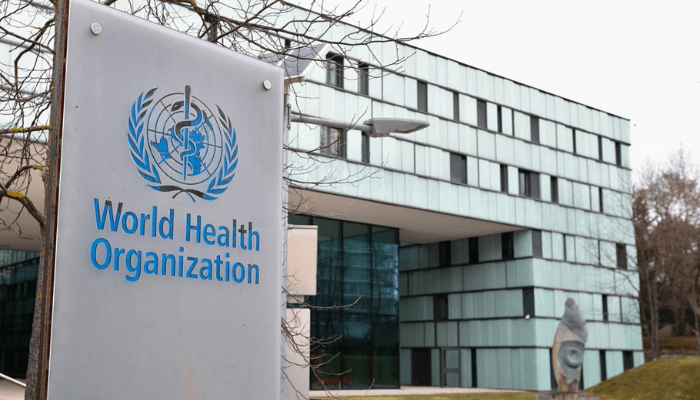
The World Health Organisation (WHO) says Ebola infections in the Democratic Republic of Congo are showing a decreasing trend, but warned that sustained vigilance is essential.
The UN health agency reported 11 new confirmed cases since its last update on September 15, bringing the total to 57 in Kasai Province. These include 10 probable cases and 35 deaths, with 10 of the fatalities classified as probable.
Read also: Ebola: NCDC confirms no case in Nigeria, heightens surveillance
“The outbreak shows a decreasing trend of cases in the recent week; nevertheless, the attention remains high, and response activities are ongoing in all affected health areas, including early case detection, isolation, case management, contact tracing, vaccination, as well as risk communication and community engagement”, the agency stated in its latest situation report published on Wednesday.

The affected patients range from infants to 65 years old, with the 0–9 age group being most affected, accounting for 23 percent of cases.
The WHO reported that as of 21 September 2025, a total of 1,180 contacts have been identified and are being followed up on. Of these, 94 completed 21 days of monitoring while the rest remain under follow-up. Of 26 cases admitted to the Ebola Treatment Centre since the onset of the outbreak, two were successfully treated and discharged following recovery on 16 September 2025, five died, and 19 are currently in treatment as of 21 September 2025.
Read also: Nigeria cannot afford another Ebola outbreak
Vaccination efforts are underway. As of September 21, around 1,740 people had been vaccinated under a ring vaccination strategy targeting contacts, health workers and high-risk groups. In parallel, logistic and response operations have been scaled up, with on-site laboratory testing, improved turnaround for results down from days to hours, the establishment of treatment centres, and the deployment of supplies closer to the epicentre.
Still, WHO warned that the next two to three weeks would be critical to consolidating gains and preventing renewed spread, especially with worsening road conditions during the rainy season threatening access to remote areas.