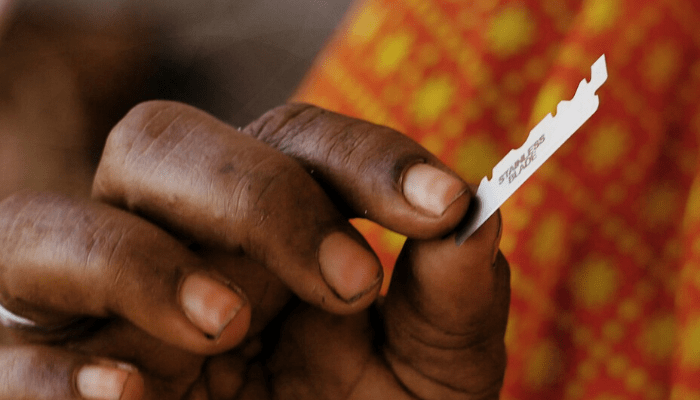
Female Genital Mutilation (FGM) has been described as one of the gravest violations of the rights of women and girls, stripping them of their dignity, health, and freedom.
At a two-day media dialogue to support advocacy to end FGM in Nigeria, organised by Oyo State Ministry of Information and Orientation in collaboration with United Nations Children’s Fund (UNICEF) in Benin, Edo State, experts stressed that the practice denies girls the right to life, physical integrity, equality, and protection from torture and inhuman treatment.
Denis Onoise, Child Protection Specialist, UNICEF Lagos Office, said FGM should no longer be seen as a cultural practice but as a direct assault on human rights.
He said, “Every girl has the right to grow up free from violence and harm. FGM has serious implications for the sexual and reproductive health of girls and women. Complications such as intense pain (especially in the absence of a pain reliever), excessive bleeding (which can result in death), urinary incontinence or inability to urinate at all (infection of the genital area, especially the development of fistulas), difficulties during menstruation (infections, blockage of blood discharge), clitoral neuroma (a tumour that arises from cutting or damaging a nerve, among others.
Read also: US-backed Cassona eases medical equipment costs, shortages in West Africa
Apart from health risks such as excessive bleeding, infections, childbirth complications, and chronic pain, Onoise said FGM also carries huge economic costs, funds that could otherwise be used to strengthen healthcare systems.
In her welcome address, Celine Lafoucriere, the chief of UNICEF, Lagos Field office, emphasised the collective efforts of UNICEF and media practitioners to end FGM in Nigeria.

In his opening remarks, Mr Rotimi Babalola, Permanent Secretary of the Oyo State Ministry of Information and Orientation, emphasised the media’s central role in driving advocacy and changing social norms.
He urged journalists to intensify awareness campaigns while avoiding sensationalism that could deepen the trauma of survivors.
“We must sensitize and educate our people with empathy while we stop over hyping FGM in our reportage in a way that will bring more trauma on those leaving with it,” he said.